
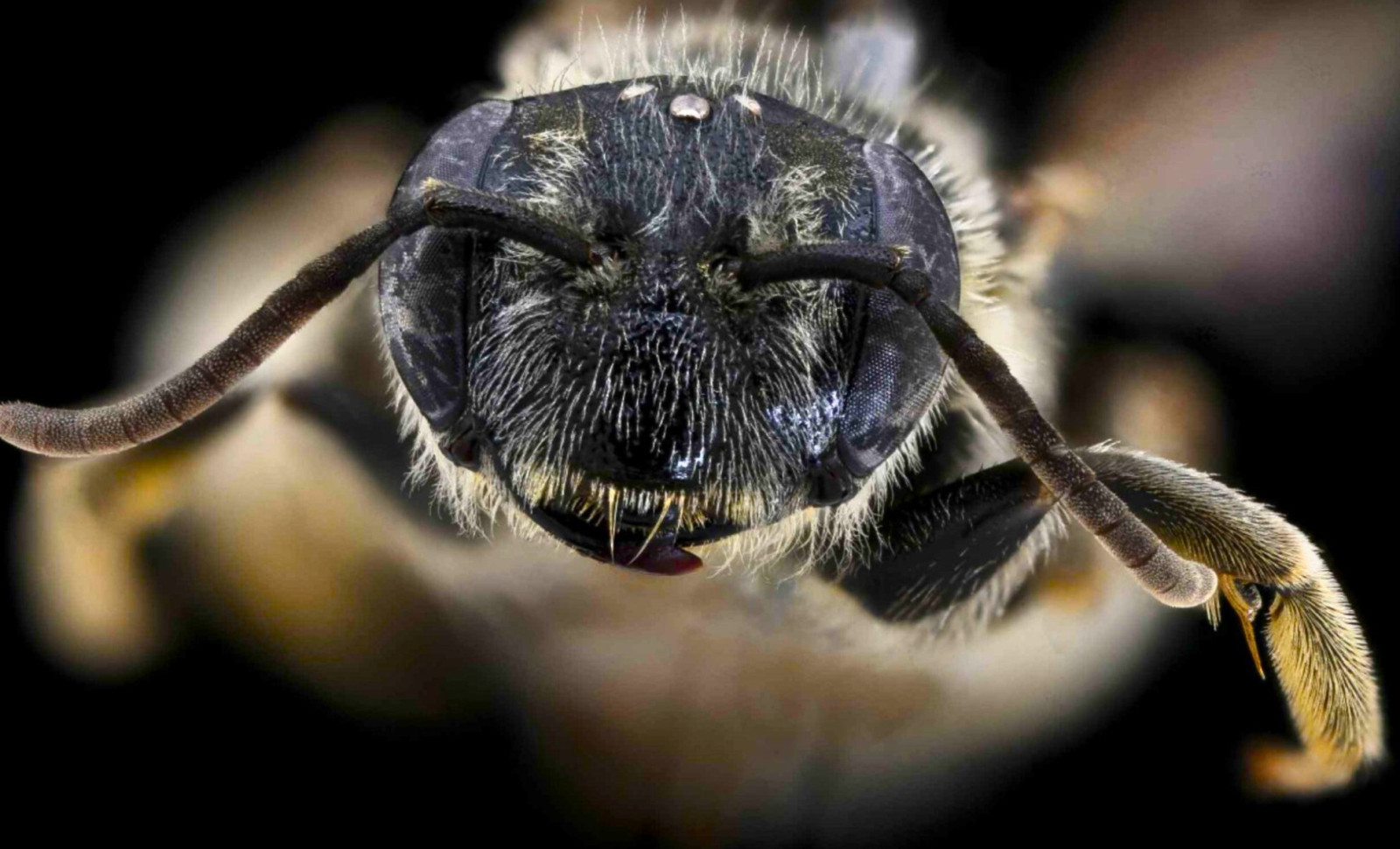
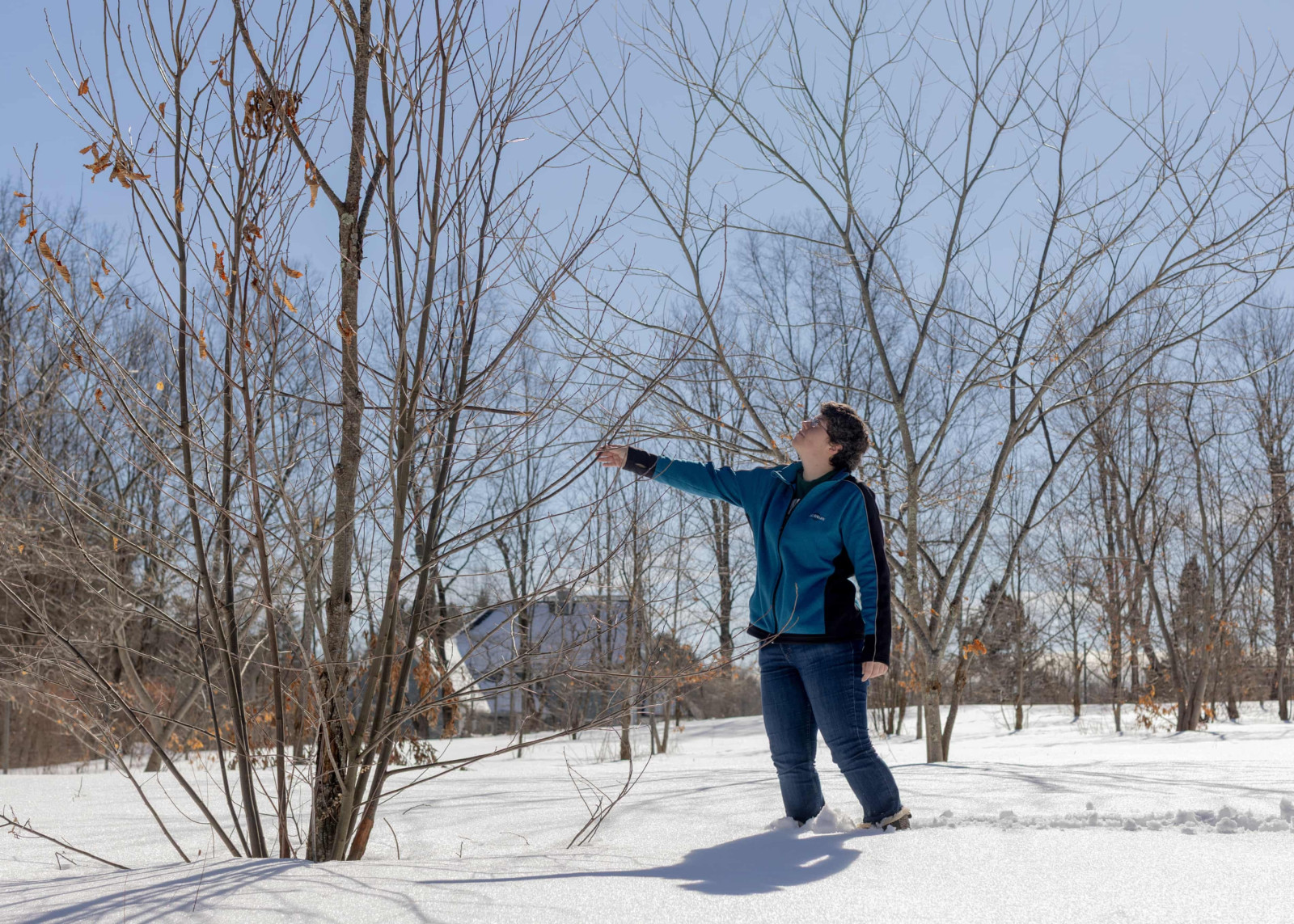
While working in a research orchard in Syracuse, pollination expert Molly Jacobson netted two small, brown bees from an American chestnut blossom just feet from where she had been studying all summer. This unexpected encounter unveiled a species hidden from Central New York for over 110 years.
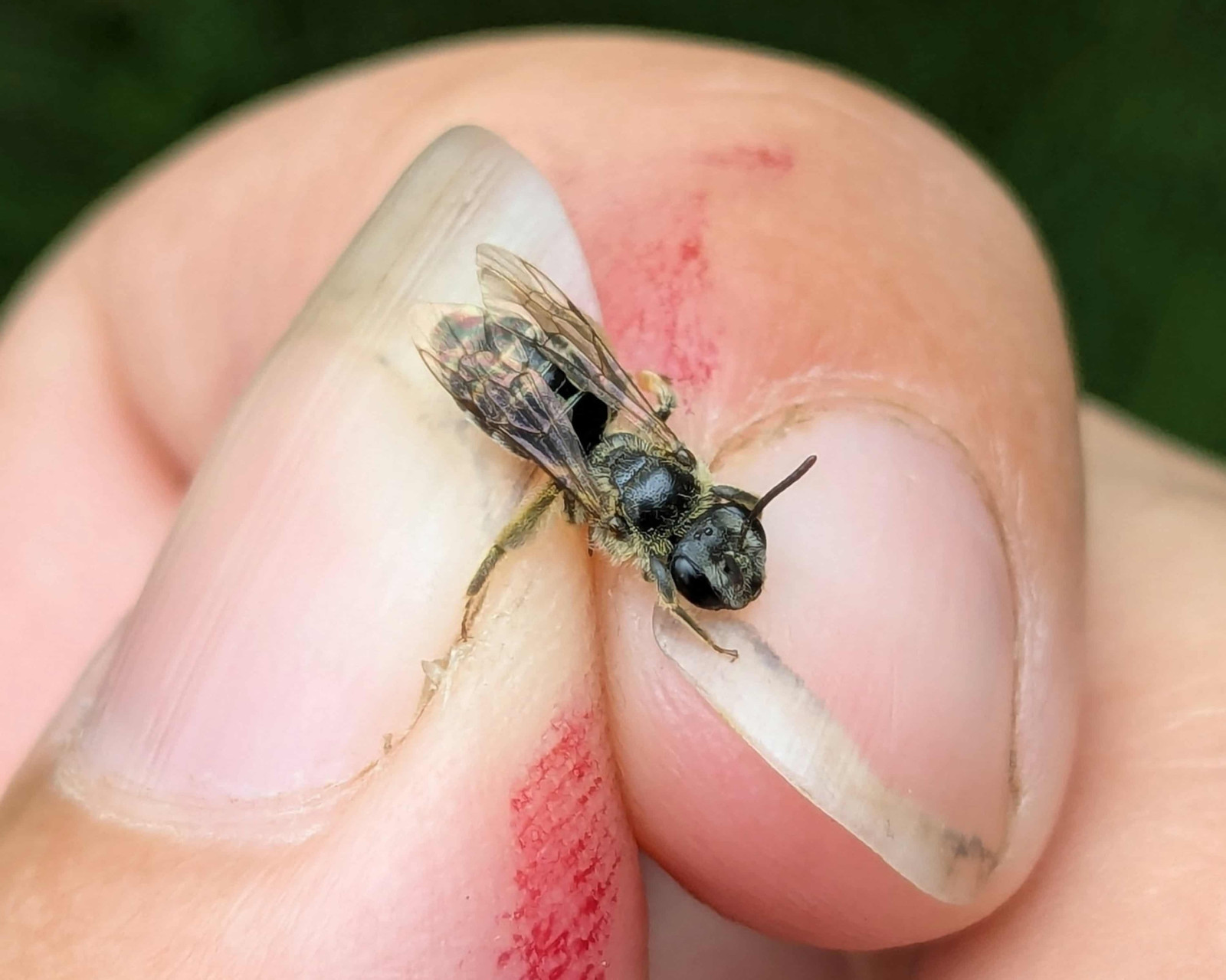
The insects she captured were chestnut mining bees, Andrena rehni, previously unrecorded in that region since 1904. In July 2025, Jacobson gathered these specimens from the SUNY College of Environmental Science and Forestry (ESF) orchard, confirming only the second known living colony of this species in New York. As she shared with The Guardian, "I felt deep down that they’d be there."
The Elusive Bee Thought Extinct for More Than a Century
For many years, scientists believed the chestnut mining bee had disappeared from New York. The New York Natural Heritage Program categorized it as "possibly extirpated" in their 2022 pollinator review, signaling likely local extinction.

The last known sighting was from southern New York in 1904, after which the bee vanished from records, collections, and observation. Jacobson refers to it as a "holy grail bee" that entomologists had been earnestly searching for.
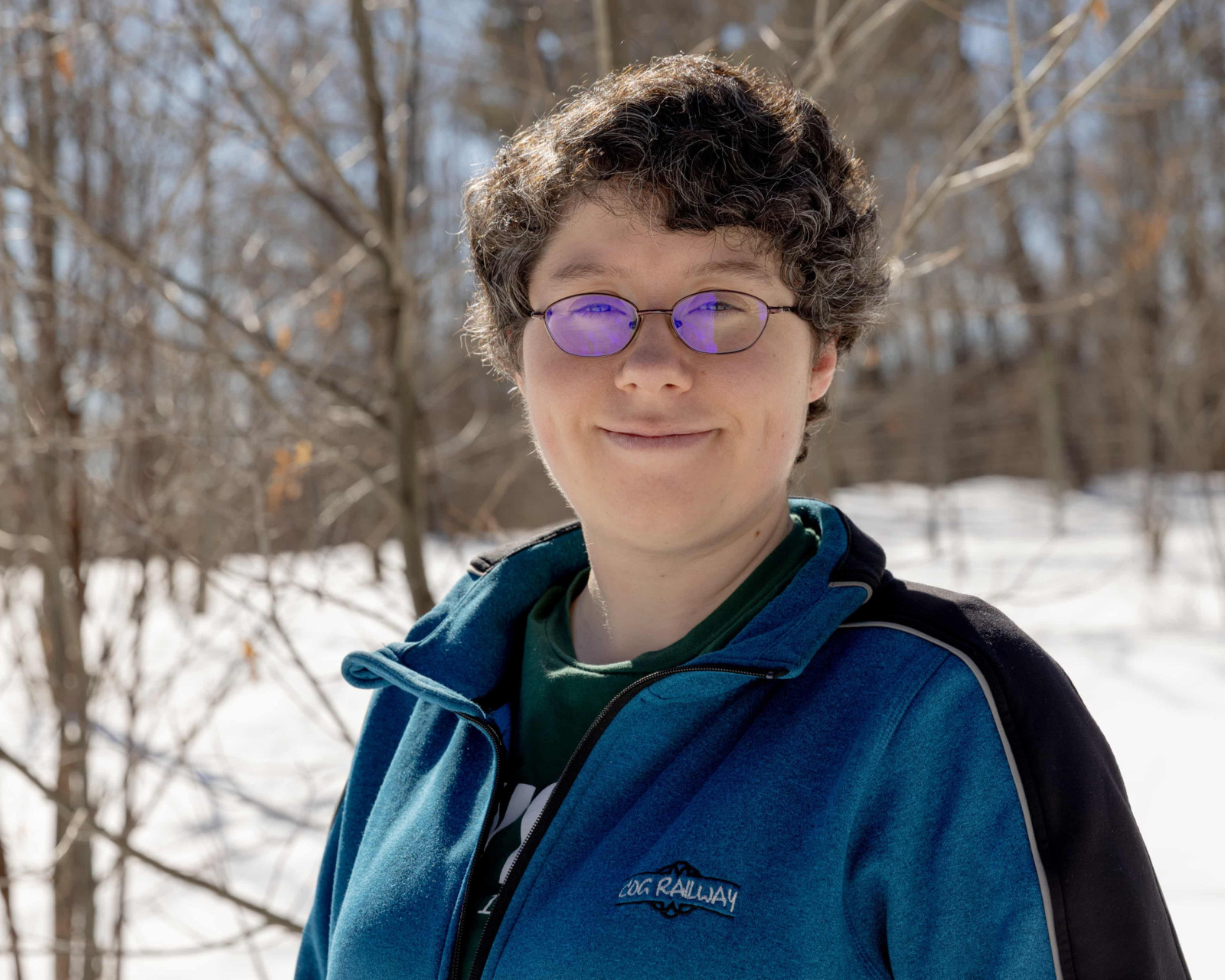
Things took a turn in 2023 when Jacobson discovered a population at Lasdon Park and Arboretum in Westchester County. This identification was validated by a bee expert at the United States Geological Survey and subsequently featured in the journal Northeastern Naturalist in 2024, marking the first confirmed presence of Andrena rehni in New York after 119 years.
The find in Syracuse extends this historic record northwards, representing the first time the bee has been documented beyond the Hudson Valley, several hundred miles from its formerly recognized habitat. ESF declared this discovery as a significant range expansion for the species.
A Specialized Pollinator Reliant on a Single Tree Species
The chestnut mining bee is a solitary ground-nester with no aggressive defenses like stinging. Its uniqueness lies in its foraging preferences.
As a pollen specialist, it depends almost exclusively on chestnut and chinquapin flowers. Females must gather pollen from these blossoms to feed their larvae, making reproduction impossible without them. This oligoleptic lifestyle makes it one of North America's rarest bee types. Jacobson commented to The Guardian, "Most wild bee lifecycles remain mysteries. Their nesting habits and nest structures are largely unknown to us."
This close association thrived when the American chestnut tree flourished in eastern forests. Before the devastating fungal blight early last century, approximately three to four billion American chestnuts populated the region, comprising about 25% of hardwoods. It earned the nickname ‘redwood of the East.’
The blight rapidly decimated these trees, causing the chestnut mining bee to lose its primary food source, pushing the insect to near extinction alongside its host tree.
An Unexpected Find in a City Orchard Amidst Urban Development
The orchard in Syracuse that yielded this discovery is part of ESF’s American Chestnut Research and Restoration Project. Here, scientists cultivate various strains of American chestnut, chinquapin, hybrids, and Chinese chestnut to explore effective reforestation strategies for a tree once integral to the eastern forest ecosystem.
The surprising element lies in its urban setting. Situated amid busy highways and development, this location seemed unlikely to harbor such a rare bee. Jacobson remarked to The Guardian, "It's surprising this bee thrives in managed orchards within a city, not just isolated forests."
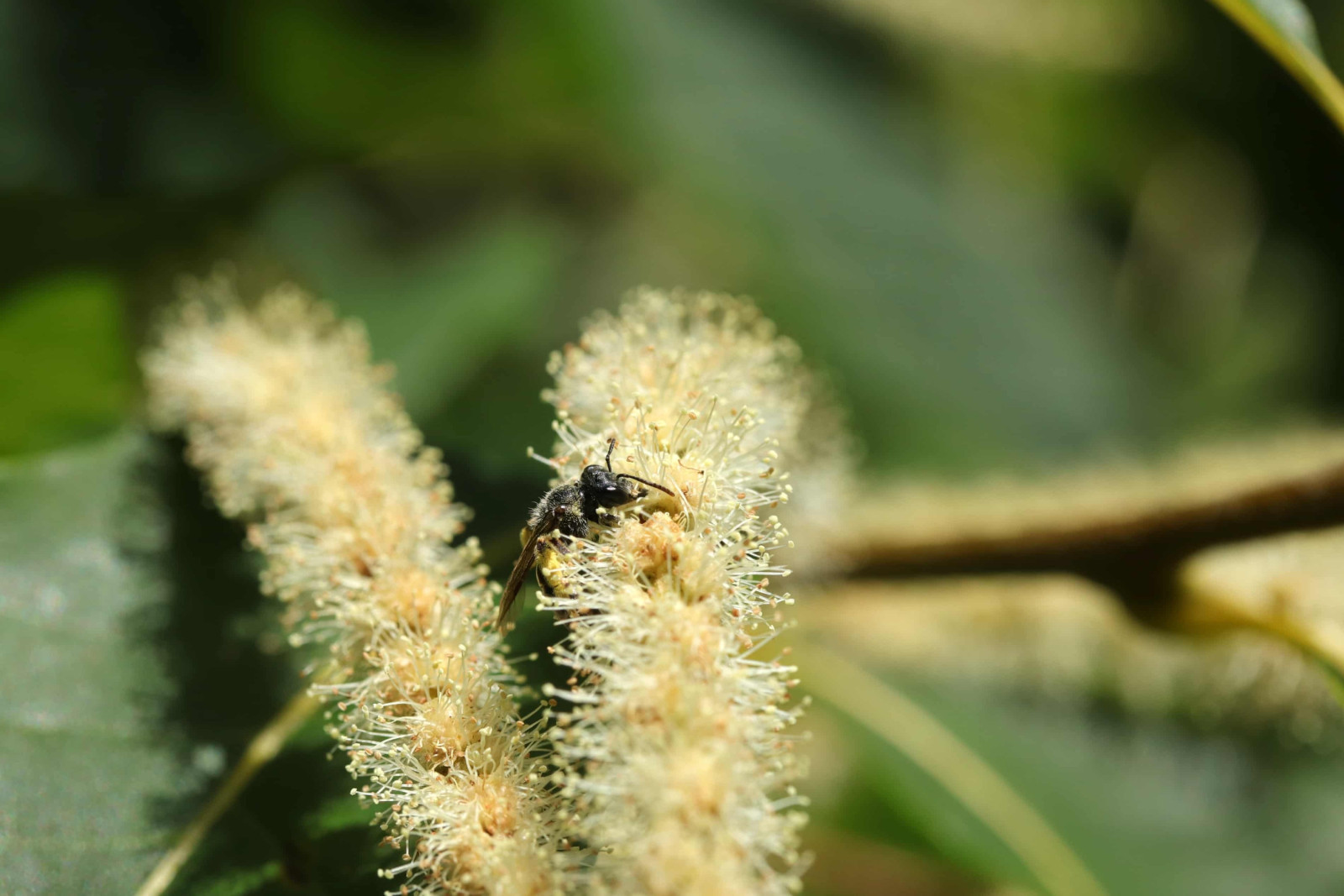
Jacobson's discovery was almost serendipitous; with only moments before leaving, she swept her net and spotted the two bees within ten minutes. "They must have been there all along, but weren’t noticed because no one really looked," she explained.
The Importance of This Rediscovery for Restoration and Public Participation
The reappearance of the chestnut mining bee exemplifies how restoring critical habitats can revive specialized species. ESF researcher Andrew Newhouse emphasized that rehabilitating key tree populations supports vulnerable wildlife closely tied to those plants.
Jacobson stresses the need to reconsider conservation efforts focused solely on untouched wilderness. "We must realize that remarkable biodiversity exists beyond pristine environments," she told The Guardian. Citizen science plays a vital role, she added, since many areas remain inaccessible to professional researchers.
The USGS Bee Inventory and Monitoring Lab previously highlighted how easily such elusive bees escape notice and encouraged the public to report findings.
In New York, the chestnut mining bee holds a status of being imperiled, ranking among the state’s rarest bees. Jacobson views it as an indicator species, reflecting ecosystem health capable of sustaining species reliant on specific plants.
Much about its biology remains unknown, with nests yet to be discovered and questions lingering about its compatibility with non-native chestnut varieties. The Syracuse colony offers a unique opportunity to investigate these mysteries.
Although the chestnut mining bee is understated—small, brown, and quiet on blossoms—Jacobson’s experience underscores its ecological significance: "I hope my work inspires others to protect insects, because that’s critical for conservation success."
- Categories:
- News







0 comments
Sign in to Comment