
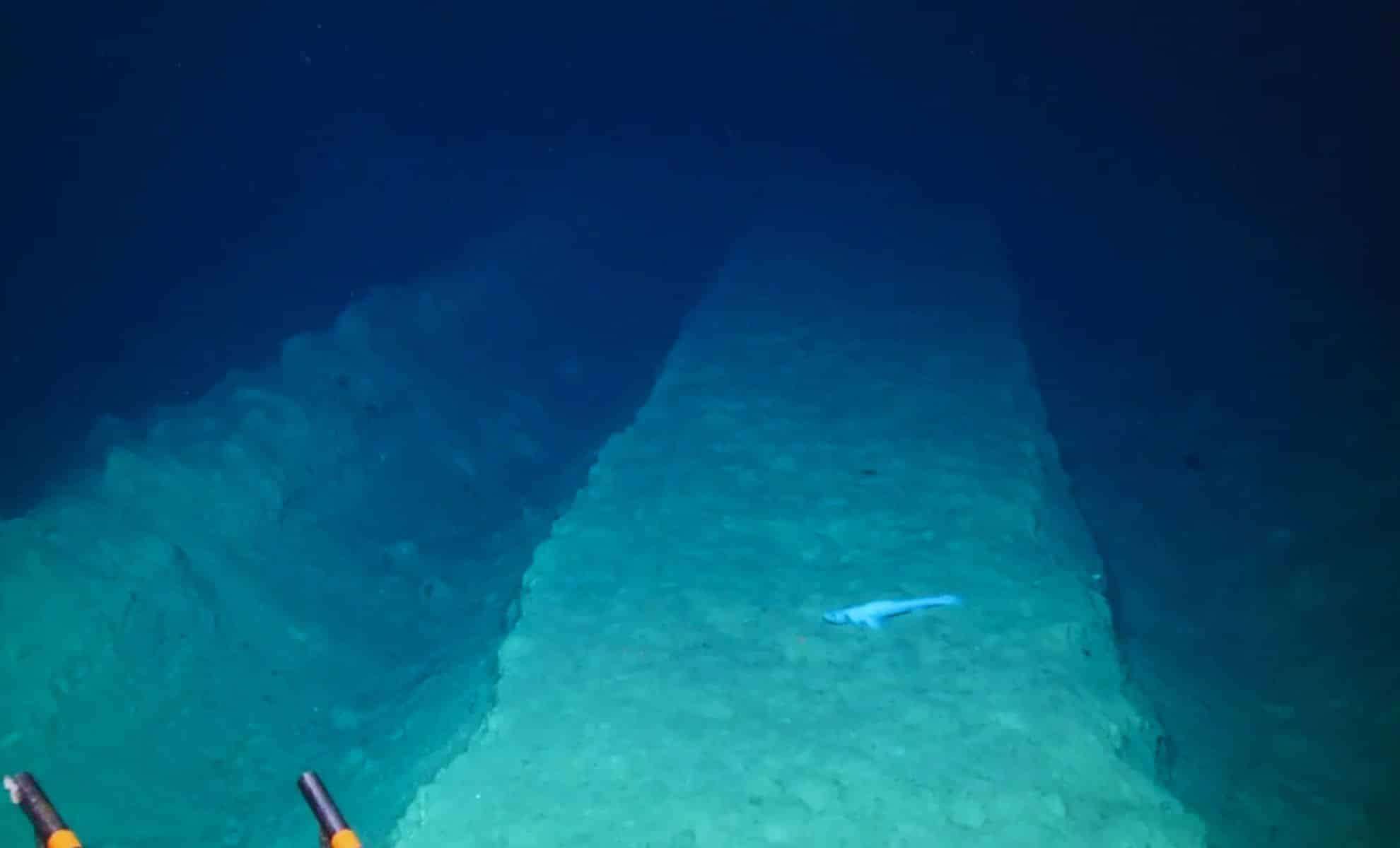
In 1979, a pioneering deep-sea mining test conducted within the Clarion-Clipperton Zone (CCZ) left an indelible impression on the ocean floor. A recent study featured in Nature, spearheaded by experts from the National Oceanography Centre and London's Natural History Museum, sheds new light on the persistent ecological impacts triggered by such mining activities in the deep ocean.
Even after 44 years, the physical traces from the mining experiment remain discernible, yet signs of ecological regeneration are beginning to emerge. Despite these encouraging indications, uncertainties linger regarding the scope of damage and the pace of natural recovery.
Exploring the Clarion-Clipperton Zone: A Vital Resource Hub
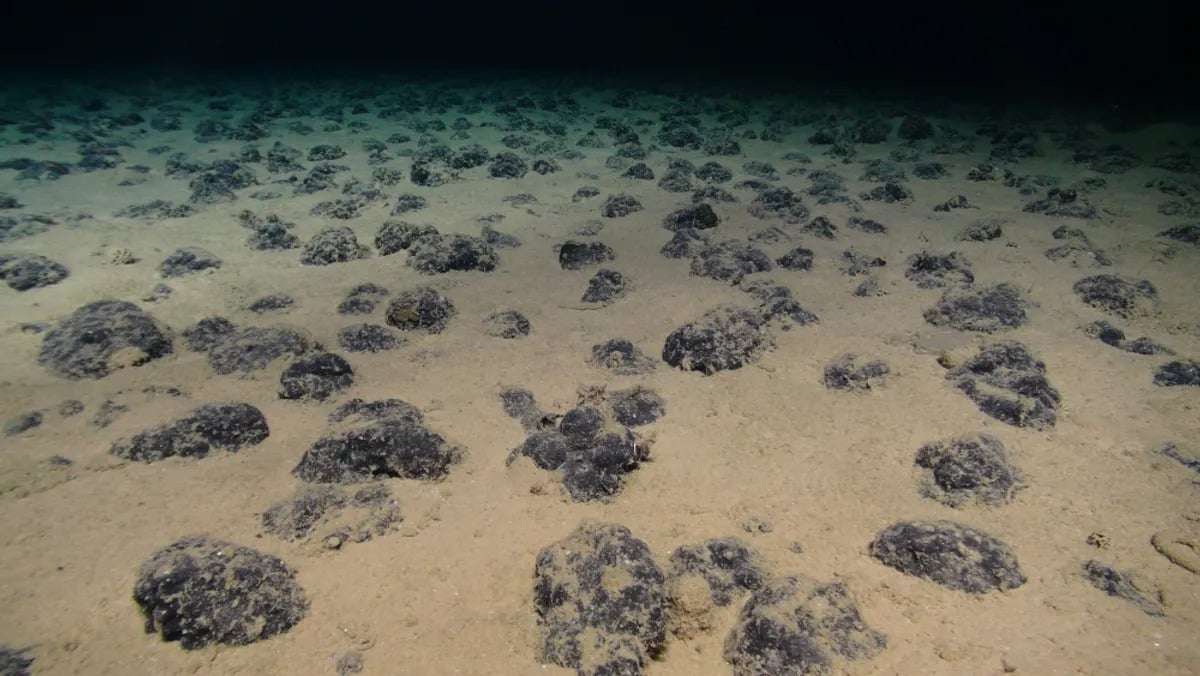
The Clarion-Clipperton Zone, situated in the Pacific Ocean, stands as a prime area targeted for deep-sea extraction due to its abundance of manganese nodules—essential for sourcing battery metals such as nickel and cobalt. This region holds significant promise for advancing the global shift towards green energy, as detailed in related research.

Nonetheless, deep-sea mining is accompanied by numerous uncertainties, chiefly concerning long-term environmental repercussions. The 1979 mining trial thus offers a unique retrospective, acting as a natural experiment to anticipate future ecological consequences of deep-sea resource exploitation.
Enduring Imprints: Visible Seafloor Disturbances Persist
A central observation from this research reveals that the physical furrows carved by mining machinery are still evident decades later. Dr. Adrian Glover, a contributing author from the Natural History Museum, commented, “The tracks made by the mining machine 44 years ago look almost as if they were made yesterday.”
The slow pace of biological processes in deep-sea environments explains why these disturbances endure. These lasting marks on the seabed highlight the profound and prolonged impact that such mining activities can inflict on fragile underwater ecosystems.
Signs of Recovery: Life Slowly Returns to Disturbed Sites
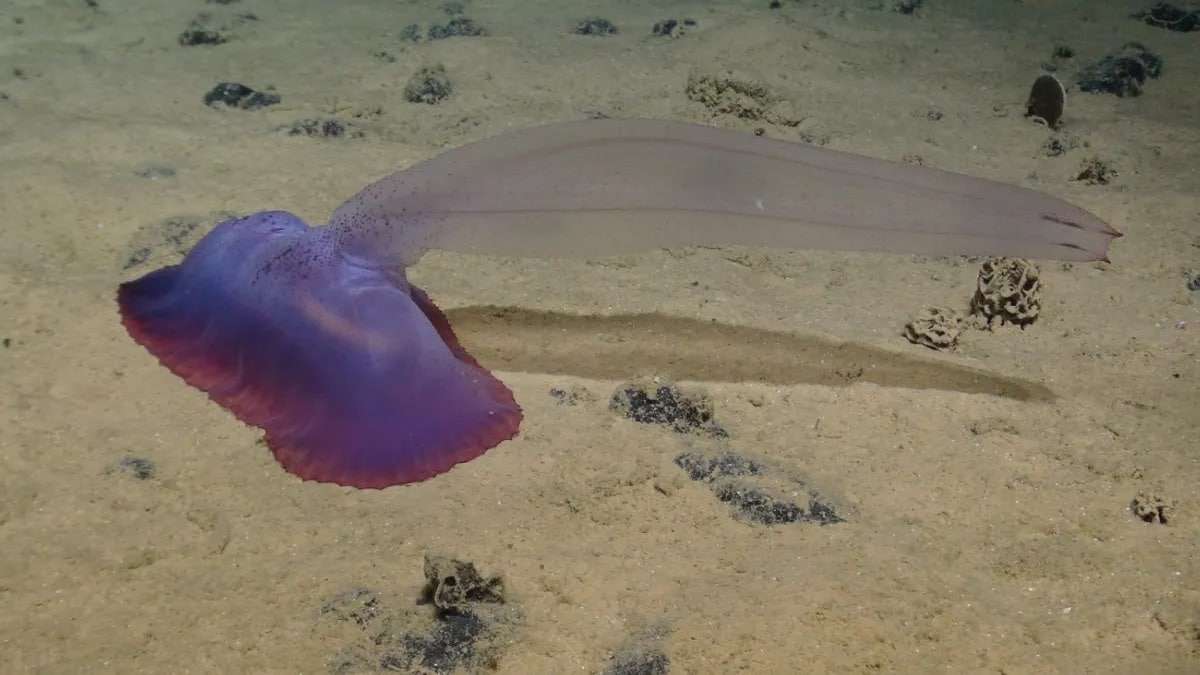
Despite the lasting disruption, the research uncovers encouraging evidence of ecological revival. Tiny and mobile creatures, particularly xenophyophores—amoeba-like entities—are starting to repopulate the mined patches.
These organisms are typical inhabitants of the CCZ and have been recorded returning to the areas previously disturbed by mining machinery. This observation represents the inaugural demonstration of biological recovery within the core deep-sea mining region of the Pacific, albeit through a gradual process.
Dr. Glover noted, “What is interesting is that animal life has actually started to recolonize the mined area.” That said, recovery is uneven; while smaller creatures are repopulating, larger, sessile species remain absent. These more sensitive organisms' lack of return signals continuing concern about the depth of mining’s long-term effects on these essential components of the seafloor ecosystem.
Evaluating the Broader Environmental Threat
While this study offers valuable perspectives, it also highlights the difficulties in extrapolating the ecological ramifications of deep-sea mining at broader scales. The 1979 trial affected only a minuscule fraction of the area proposed for large-scale commercial mining.
Commercial extraction endeavors could cover expanses surpassing 10,000 square kilometers, with some licenses extending up to 70,000 square kilometers. Compared to the CCZ’s colossal 6 million square kilometers, assessing regional or global ecological consequences from such limited data remains a formidable challenge.
Dr. Glover stressed, “It’s very hard, or perhaps impossible, to scale up the ecological impact from this single disturbance to ecosystem or global effects.” This underscores the urgency for intensified research focused on comprehending how vast mining operations may affect marine biodiversity worldwide.
The investigation also scrutinized the issue of sediment plumes—clouds of suspended particles generated when the seafloor is disrupted—which can potentially impair marine organisms by reducing water quality.
Reassuringly, the data indicated minimal lasting adverse effects on animal populations in the region, suggesting a less severe impact from sediment disturbance than previously anticipated.
As the prospect of deep-sea mining grows in addressing the demand for critical materials needed in the green energy revolution, understanding its extended implications on ocean life remains a high priority within the scientific community.
- Categories:
- News









0 comments
Sign in to Comment