
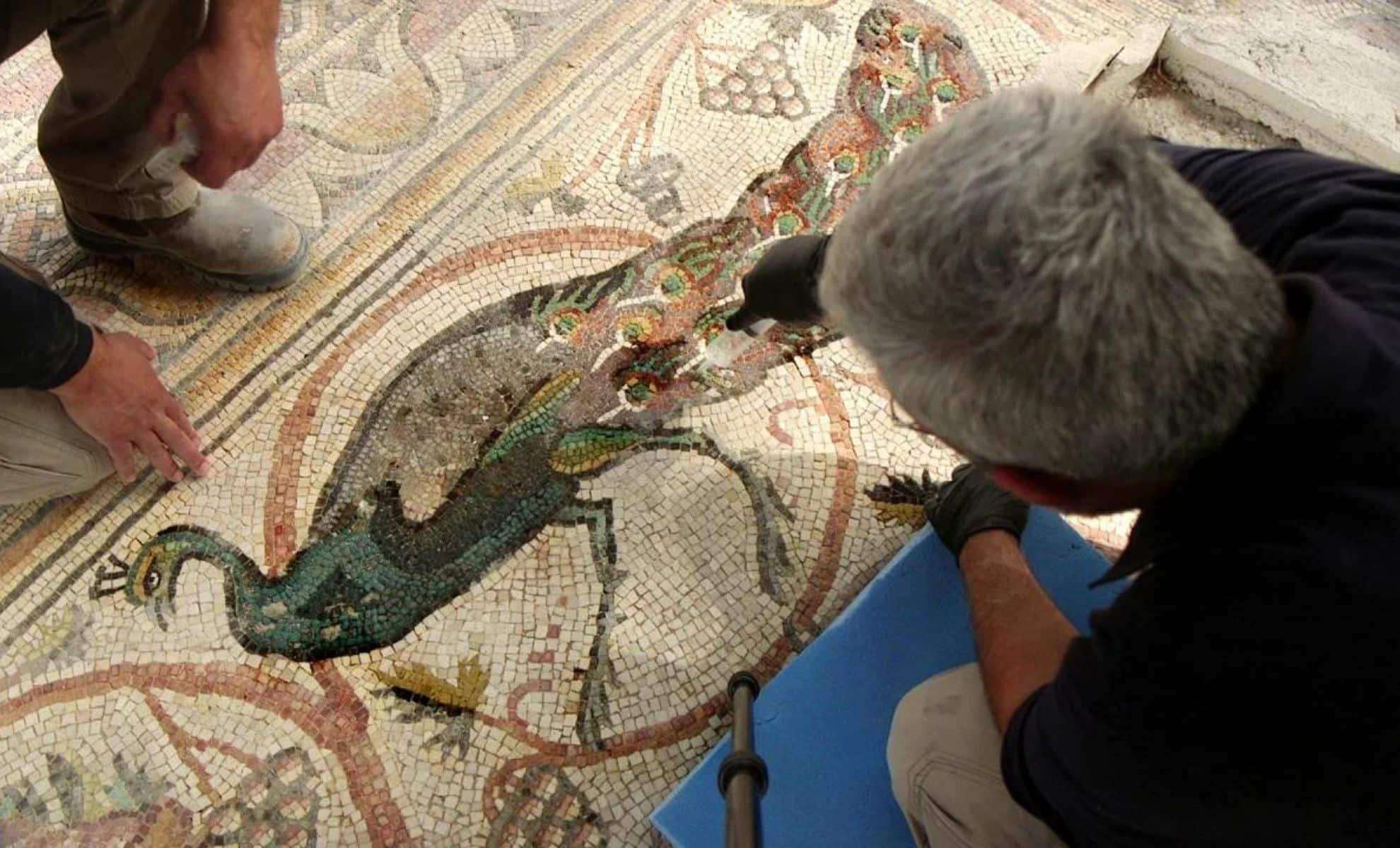
A remarkable mosaic from the Byzantine period has been revealed to the public, showcasing intricate designs from life in Israel's Negev desert dating back more than 1,600 years. Initially uncovered in 1990 at Khirbat Be’er Shema, this expansive mosaic was carefully concealed for decades to shield it from weather damage.
Thanks to recent restoration and relocation efforts, visitors can now appreciate the detailed craftsmanship and historical importance of this ancient artwork up close.
Insight into Byzantine Culture
Interesting Engineering reports that the mosaic comprises 55 elaborately crafted medallions illustrating an array of themes, including mythical creatures, animals, hunting scenes, and everyday activities during the Byzantine era.

“The mosaic includes mythical figures, fruit baskets, exotic wildlife, daily life scenes, hunting depictions, and more,” highlighted the official announcement.
Dating from approximately AD 324 to 638, this masterpiece originates from the Byzantine Empire’s rule over Palaestina Secunda. Its public presentation offers valuable insights into the region’s layered history and cultural richness.
Archaeological Importance and Preservation
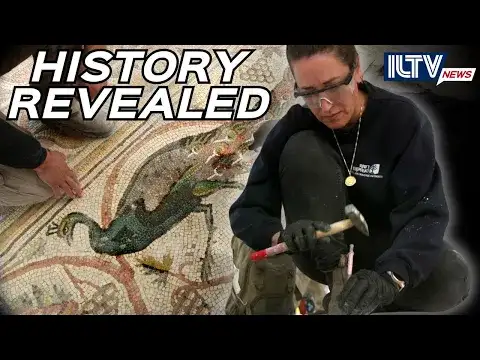
Discovered in the 1990s, the mosaic was reburied to guard against natural decay. For years, the mosaic remained out of sight as the Israel Antiquities Authority (IAA) devoted efforts to its conservation.
Eventually, degrading conditions at the original excavation site prompted the IAA to transfer the mosaic to a safeguarded area within the Merhavim Regional Council jurisdiction.
The artwork was found adjacent to the ancient Nabataean-Roman spice route, a vital trading path crossing the arid landscape. This strategically positioned site served as a crucial stopover and protective enclave for traders venturing into the desert.
Mosaic Presented to the Public
This month, the mosaic was formally displayed at an event attended by dignitaries such as Heritage Minister Amichai Eliyahu, Merhavim Council leader Shay Hajaj, and Eli Escusido, Director of the Israel Antiquities Authority. The ceremony highlighted the mosaic’s cultural value and its ability to bridge the ancient past with the present.
Expressing his enthusiasm, Merhavim Council head Shay Hajaj commented, “This exquisite mosaic stands as a vivid witness to life in the Negev from 1,600 years ago. It enriches the narrative we are creating here in Merhavim—linking yesterday, today, and tomorrow.”
- Categories:
- News











0 comments
Sign in to Comment