
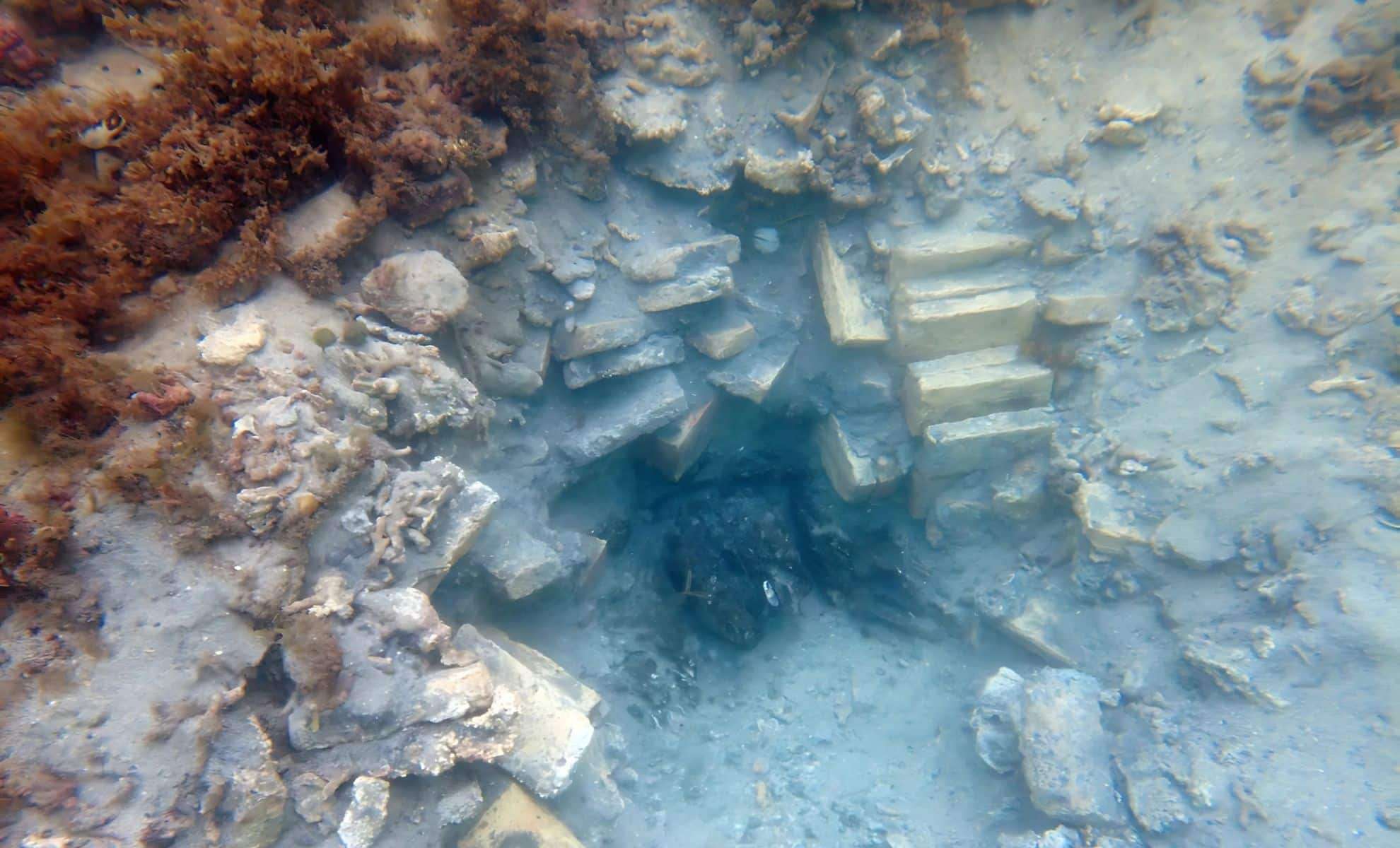
Researchers in marine archaeology have uncovered a groundbreaking find near Costa Rica’s shores, transforming our understanding of a longstanding historical enigma. Initially mistaken for pirate vessels, these wrecks have been conclusively identified as two Danish slave ships lost at sea in the early 1700s. This discovery revises regional maritime history and provides vital insight into the transatlantic slave trade along with Denmark’s involvement, a dimension rarely emphasized in mainstream history.
Slave Ship Remains Discovered in Costa Rican Waters
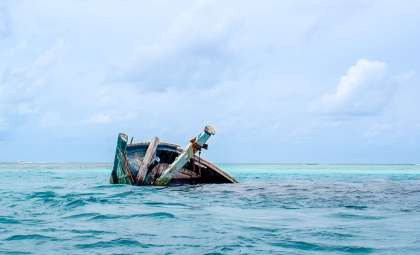
Situated close to Cahuita National Park on Costa Rica’s southern Caribbean coast, the site held wrecks long believed to be remnants of pirate activity because of their broken and dispersed condition. The local fishing communities, present in the region since 1826, assumed these vessels capsized following a naval skirmish. The turning point occurred in 2015 when American marine archaeologists uncovered yellow bricks in the debris. Manufactured in Flensburg, Germany, these bricks were specific to Danish territories and their colonies during the 18th and 19th centuries.
Evidence Confirming the Shipwrecks’ Identities
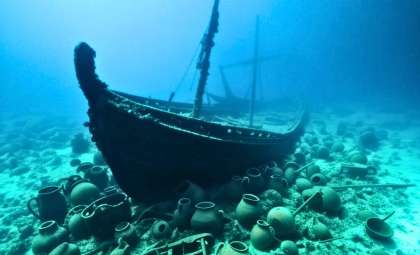
According to CNN, two Danish slave ships named Fridericus Quartus and Christianus Quintus sank off Central America in 1710. One vessel was destroyed by fire, while the other was abandoned following a mutiny. Their exact wreck sites remained unknown for centuries until joint excavations by the National Museum of Denmark and the Viking Ship Museum definitively linked these wrecks to the historic ships. David Gregory, a marine archaeologist at the National Museum of Denmark, remarked, “The bricks’ origin is Danish, and the timbers show signs of charring consistent with fire, corroborating historical records of one ship burning.”

A Turbulent Voyage Marked by Rebellion
The voyages aboard these ships were fraught with hardship. The Fridericus Quartus carried enslaved Africans from Ghana to the Dutch colony of St. Thomas when a revolt broke out onboard. Amid escalating chaos, the ship’s crew navigated incorrectly in the Caribbean Sea, steering south rather than north by a navigational aid that might have been near Barbados. This error diverted both ships off course, eventually leading them to Costa Rica’s coast on March 2. Fearing pirate attacks and hostile Indigenous peoples, the crews hesitated to land for supplies, igniting a confrontation that culminated in a mutiny and leaving more than 600 enslaved individuals stranded along the present-day Cahuita National Park shore.
Shipwrecks Integral to Afro-Costa Rican Ancestry
For generations, Afro-Costa Rican communities have passed down stories of ancestors arriving on these ships. This archaeological evidence reinforces cultural identity and pride by confirming that these forebears played a significant role long before formal records existed. Andreas Kallmeyer Bloch, a marine archaeologist involved in the digs, stated, “This discovery holds great importance for Danish history because it connects us to Costa Rica, but its impact is even greater locally as it resonates deeply with the community’s heritage.”
- Categories:
- News






0 comments
Sign in to Comment