
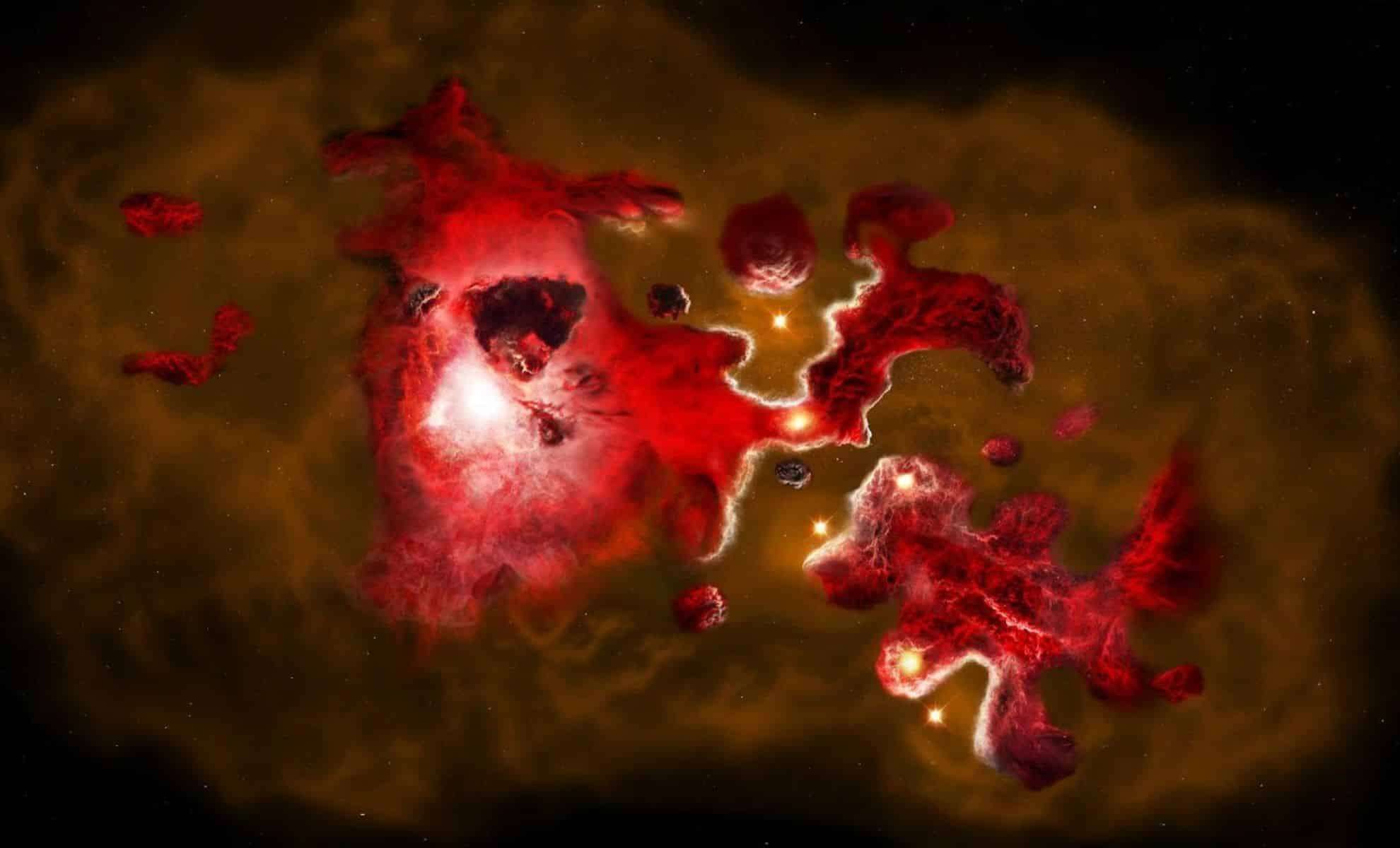
The ALMA Observatory, acclaimed for its cutting-edge astronomical instruments, has revealed groundbreaking details about the universe’s earliest galaxies. The CRISTAL survey, spanning several years, harnesses the capabilities of the Atacama Large Millimeter/submillimeter Array (ALMA) to delve into the cosmic dawn. Examining galaxies that existed just a billion years after the Big Bang, the project has generated intricate maps of cold gas, dust, and stellar components, providing fresh insights into the initial stages of galaxy formation.
Building on its previous successes, ALMA has already revolutionized our understanding of distant star-forming galaxies. The CRISTAL survey elevates this further by delivering a comprehensive analysis of galactic environments. Together with earlier studies, these new results enrich our grasp of how galaxies originated and evolved over time. ALMA’s latest discoveries are instrumental in reshaping scientific perspectives on the universe’s formative epochs.
Exploring the Cosmic Dawn: Insights from the CRISTAL Survey
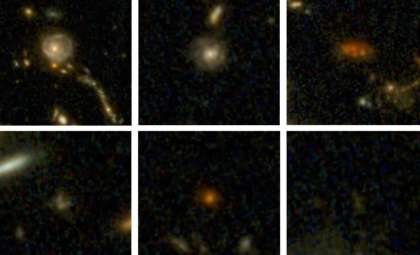
The CRISTAL study focused on galaxies from an era close to the “cosmic dawn,” roughly one billion years post-Big Bang. Utilizing ALMA’s exceptional observational prowess, researchers traced the distribution of cold gas and dust—the fundamental materials for star formation. By targeting the [CII] emission, which originates from ionized carbon atoms, scientists mapped the inner makeup of 39 galaxies. These galaxies typify star-forming systems from the early cosmos, shedding light on the processes that shaped structures similar to the Milky Way.

“ALMA’s unparalleled precision allows us to discern the fine details within these primordial galaxies like never before,” remarked Rodrigo Herrera-Camus, the CRISTAL survey’s lead researcher. “Through CRISTAL, we’re witnessing the birth of early galactic disks, the emergence of massive stellar clumps, and the influence of gas dynamics shaping these early formations.” This advancement pushes the boundaries beyond simple detection, enabling an in-depth exploration of star formation and galaxy development in the young universe.
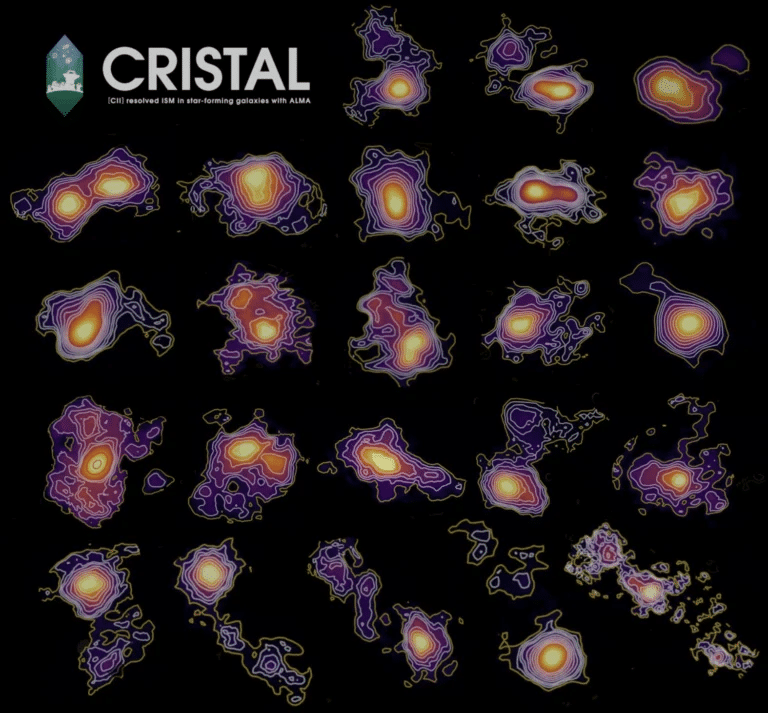
Galactic Disk Formation and Clustered Star Birth in Early Galaxies
The CRISTAL survey identified widespread clumpy star formation occurring within these ancient galaxies, where clusters of stars formed in giant conglomerates stretching for thousands of light-years. This revelation challenges former theories regarding early stellar genesis and reveals the turbulent and dynamic environment in which these galaxies matured. Dense clusters of gas and dust acted as star-forming nurseries, fueling rapid growth as galaxies took shape.
“What makes CRISTAL truly fascinating is its depiction of early galaxies as intricate systems rather than mere luminous points,” stated Loreto Barcos-Muñoz, NRAO astronomer and study co-author. “The capabilities of ALMA allow us to probe internal galactic compositions across vast distances — exposing their evolution, interplay, and star-forming processes.” By detailing these clumpy regions, the survey offers unprecedented insight into how early star formation influenced the broader galaxy structure.
The Role of Cold Gas and Cosmic Dust in Shaping Galaxies
A significant focus of the CRISTAL research was the cold gas reservoirs permeating these young galaxies. This cold gas plays a critical role as the raw material driving star birth. Observations revealed that in many cases, this gas extended well beyond the visible stellar populations, suggesting it was either fueling ongoing and future star formation or being pushed out by stellar activity. Some galaxies exhibited rotating gas patterns indicative of nascent galactic disks—precursors to the spiral galaxies that dominate the modern universe.
“ALMA acts like a cosmic time machine, granting us a glimpse into the universe’s earliest chapters,” explained Sergio Martín, Head of ALMA’s Science Operations. “Initiatives like CRISTAL highlight ALMA’s power to pursue essential questions about cosmic evolution, providing depth and clarity unmatched by any other facility.” These findings emphasize the importance of gas in galaxy assembly and demonstrate ALMA’s remarkable capability to uncover the universe’s distant past.
- Categories:
- News





0 comments
Sign in to Comment