
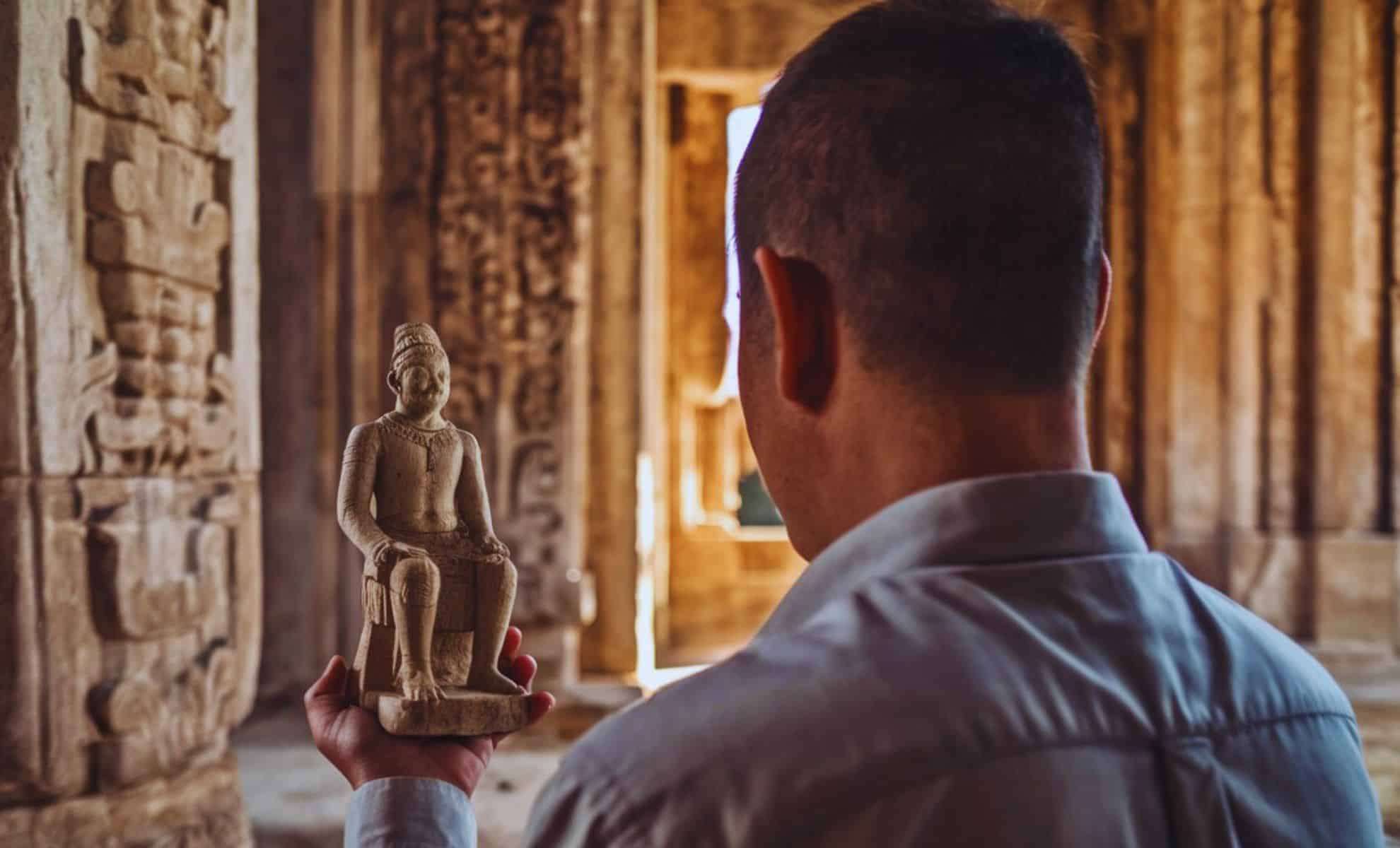
Deep in El Salvador, a fascinating archaeological find has reignited interest in ancient Mesoamerican cultures. Within a pyramid dating back roughly 2,000 years near San Isidro, archaeologists uncovered a collection of distinctive clay figurines that illuminate the religious and cultural customs of a civilization long vanished.
These striking artifacts, notable for their expressive faces, have posed intriguing questions regarding their role and meaning. Reported in the journal Antiquity on March 5, the discoveries provide a rare window into the spiritual landscape and societal development of an early Mesoamerican culture transitioning towards complex hierarchical systems.
A Glimpse into the Past: Figurines That Watch Over Time
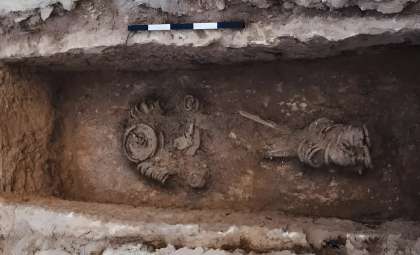
When the team from the University of Warsaw explored the pyramid’s interior, they found an uncanny sight: dozens of handmade clay figurines with wide, attentive eyes seemingly observing from the darkness.

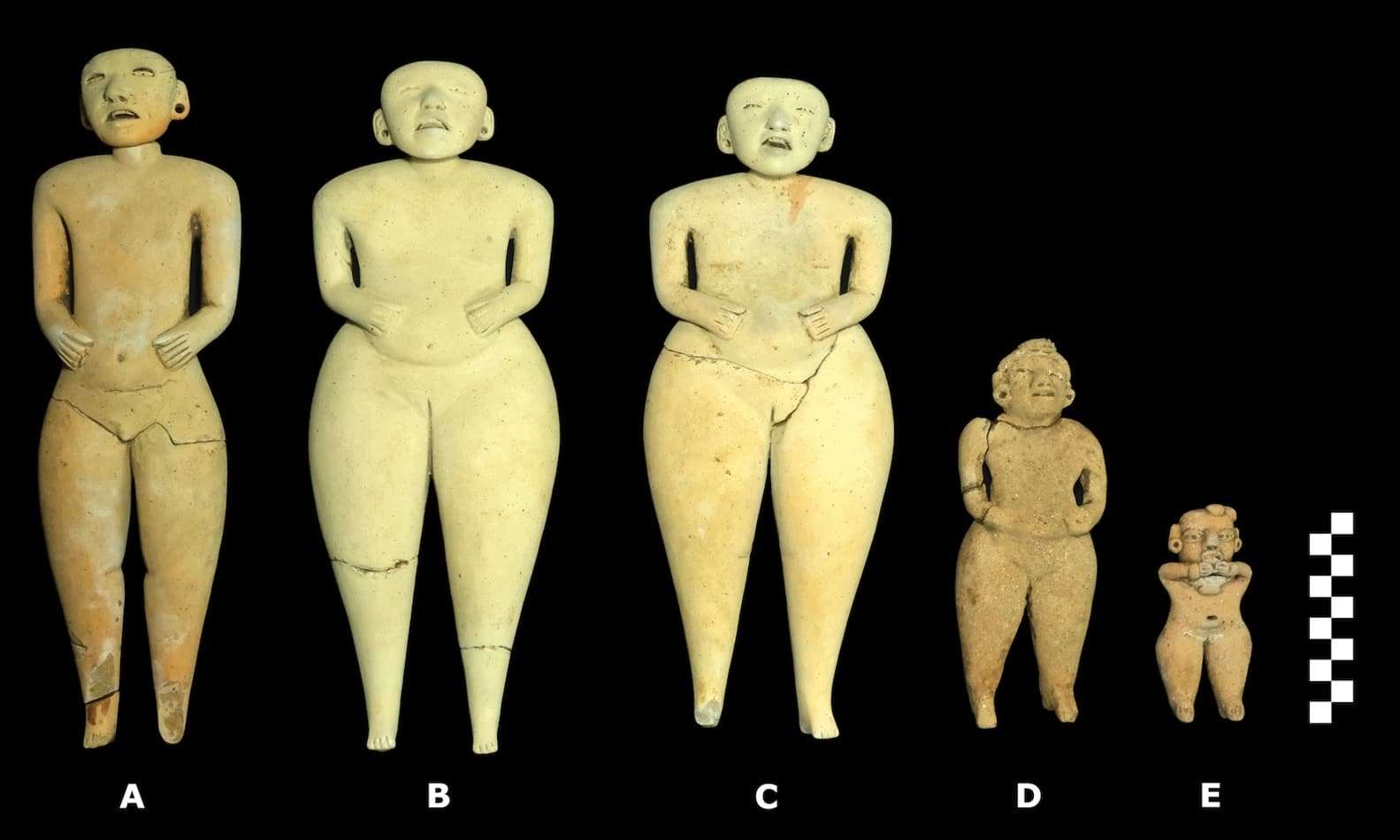
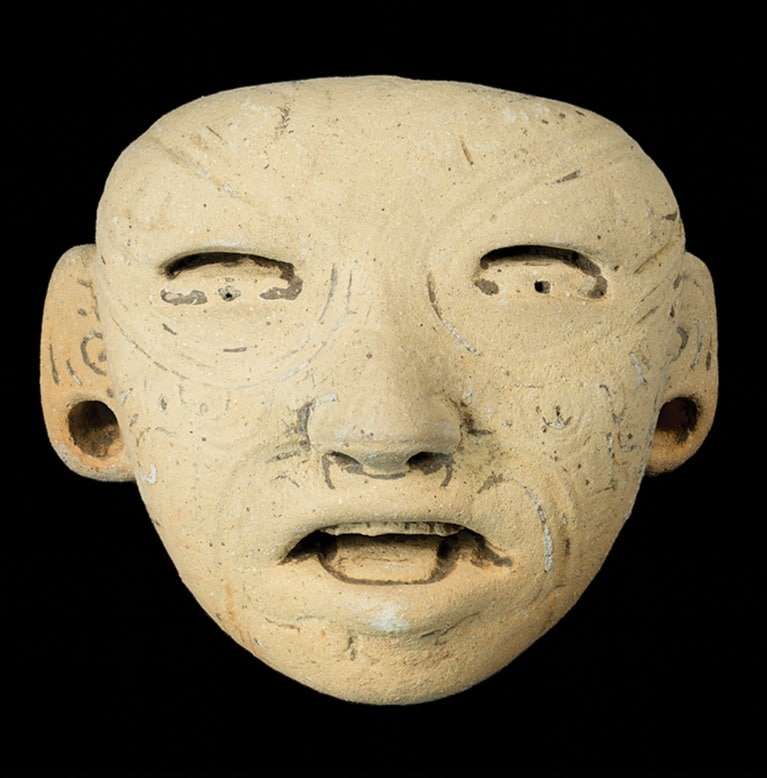
Created around 2,400 years ago, these figures range in height from 5 to 30 centimeters and display meticulously crafted faces, indicating skilled artistry that continues to fascinate scientists.
Radiocarbon analysis dates these objects to between 410 and 380 BCE, placing them in the Middle to Late Preclassic era, a pivotal period from 2500 BCE to 200 CE known for the rise of influential Mesoamerican cultures like the Olmecs and Maya.
Recognized as part of the distinctive “Bolinas figurine” tradition, these artifacts are thought to have been integral to various ceremonial activities, though their specific use remains an enigma.
Interpretive Puzzle: Ceremonial Figures or Ancestral Representations?
The context and groupings of these figurines within the pyramid have prompted lively speculation. Arranged in what experts call a “tableau,” the figures might represent deities, ancestors, or prominent individuals within the community.
Researchers liken them to other ancient cultural objects like the lares and penates of Roman tradition—domestic spirits ensuring protection—or Egypt’s ushabti figurines, which served as companions in the afterlife.
The figurines’ varied sizes and emotional expressions hint at diverse purposes. Might these clay creations have functioned as votive tributes to divine beings? Or do they embody community leaders or esteemed figures?
Without accompanying written documentation, researchers resort to analyzing analogous Mesoamerican artifacts to decode their significance.
Indicators of a Connected Mesoamerican Culture
Finding similar figurines along the coastal regions of El Salvador and Guatemala points to an extensive cultural exchange during the Preclassic period. The wide distribution of this art style signals shared traditions or religious practices among distant communities.
This interconnected web of beliefs likely contributed to the emergence of influential societies such as the Olmecs and Maya, who played major roles in shaping Mesoamerican history.
Moreover, these Bolinas figurines raise questions about societal organization at that time. Were they crafted by already stratified communities, or do they mark a transitional stage toward social complexity? Answers here could transform our comprehension of early Mesoamerican development.

- Categories:
- Science






0 comments
Sign in to Comment