
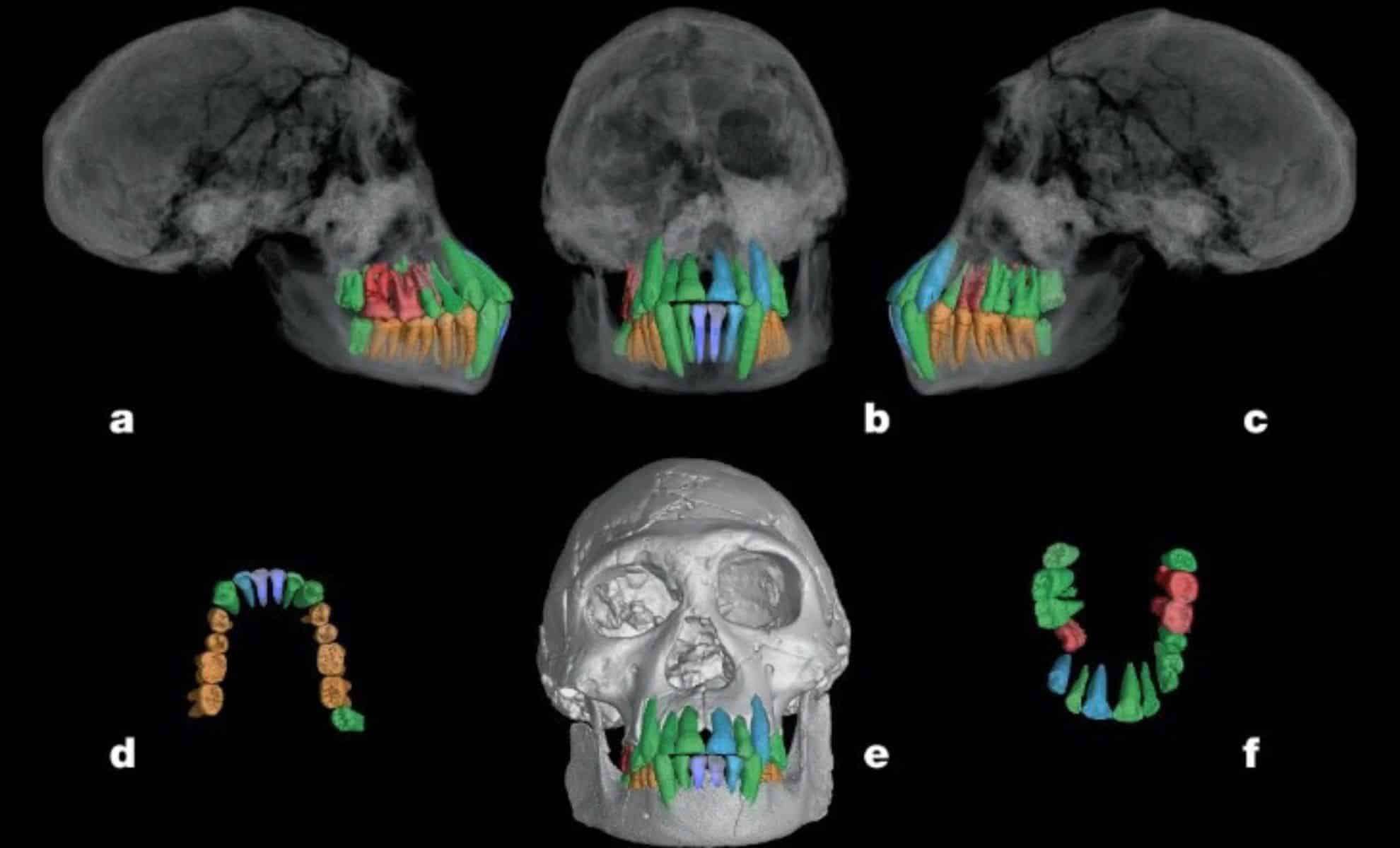
Fossilized teeth from an 11-year-old hominid dating back roughly 1.77 million years, uncovered at the Dmanisi archaeological site in Georgia, are shedding new light on the prolonged developmental stages of early humans. Recent findings published in Nature suggest that this extended childhood phase emerged earlier in human evolution than previously recognized, as indicated by unique growth patterns found in the teeth.
Insights from the Early Years of an Ancient Hominid
The teeth belonged to a juvenile hominid classified within the genus Homo. Researchers found that the initial growth of these teeth followed a slow, human-like trajectory during early childhood, comparable to modern human development. However, from around eight years old, their dental growth accelerated to mirror the rapid pace typical of great apes such as chimpanzees. This suggests the individual would have reached dental maturity between the ages of 12 and 13.5.
Christoph Zollikofer, who leads the study and is a paleoanthropologist at the University of Zurich, highlights the evolutionary importance of this drawn-out childhood phase. Humans benefit from a lengthy period of upbringing within complex social settings, which fosters learning and adaptability. In contrast, great apes mature swiftly, and as Zollikofer humorously remarks, have “barely time to go to kindergarten” before reaching adulthood.

Study Methodology and Findings
Using sophisticated imaging methods like X-ray microtomography, the research team meticulously examined the internal structures of the molars. These scans revealed growth increments similar to tree rings that allowed scientists to reconstruct the individual’s developmental history.
- Early slow development: The tooth growth resembled that of modern humans, continuing at a steady pace until about age four.
- Later rapid progression: After age four, the growth rate increased substantially, reflecting an ape-like pattern, with full dental development expected by adolescence.
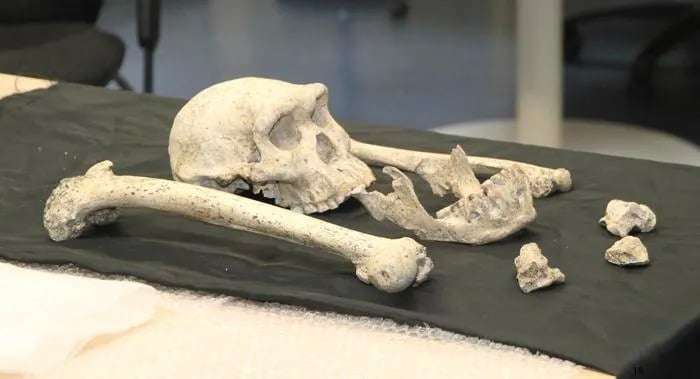
The teeth were found alongside a nearly intact skull recovered in 2001, whose remarkable preservation enabled the first detailed reconstruction of a juvenile Homo individual's dental growth timeline.
The Significance of an Extended Childhood
The emergence of a prolonged developmental phase has puzzled paleoanthropologists for years. While slow growth is commonly associated with the rise of larger brain sizes, this research indicates that an extended childhood may have preceded significant brain enlargement.
Debbie Guatelli-Steinberg, a paleoanthropologist at Ohio State University, finds these implications exciting, as they suggest early members of genus Homo may have needed extensive time for acquiring social skills, even before fully developed brains.

Remaining Questions and Future Directions
Despite these valuable insights, researchers urge caution in interpreting the findings definitively. Kevin Kuykendall from the University of Sheffield warns that slowed dental growth might not solely link to brain expansion or social learning; other factors like diet or weaning age could have influenced this trait.
Guatelli-Steinberg emphasizes the potential of forthcoming studies involving chemical analysis of tooth enamel to unravel further complexities concerning the origins of humans’ lengthy childhood. For now, this discovery represents a crucial advancement in uncovering the evolutionary roots of one of human development’s hallmark features.
This discovery underscores how even seemingly small artifacts, such as fossilized teeth, can offer profound perspectives on humanity’s evolutionary journey.












0 comments
Sign in to Comment