
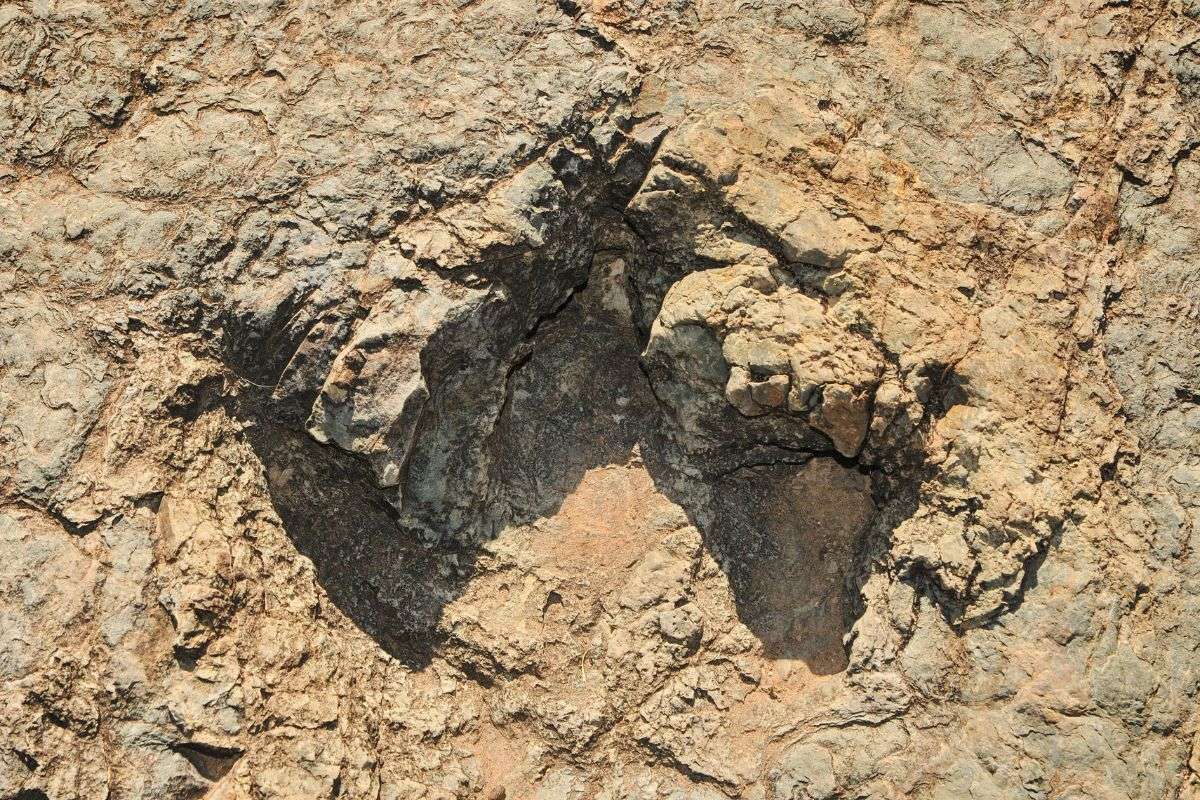
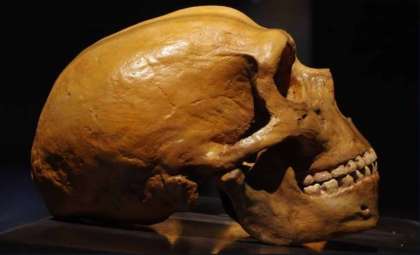
Scientists have uncovered fossilized footprints in northern Kenya that offer compelling evidence that two early hominin species, Homo erectus and Paranthropus boisei, inhabited the same region around 1.5 million years ago. These prints indicate that the two species shared these environments for at least 200,000 years, providing new understanding about their coexistence and survival tactics.
Insight Into Early Human Species Sharing Territory
The question of whether early hominin species lived alongside one another or were separated by ecological factors has long intrigued researchers. While overlapping fossil bones and artifacts hinted at possible coexistence, direct proof remained elusive until now.
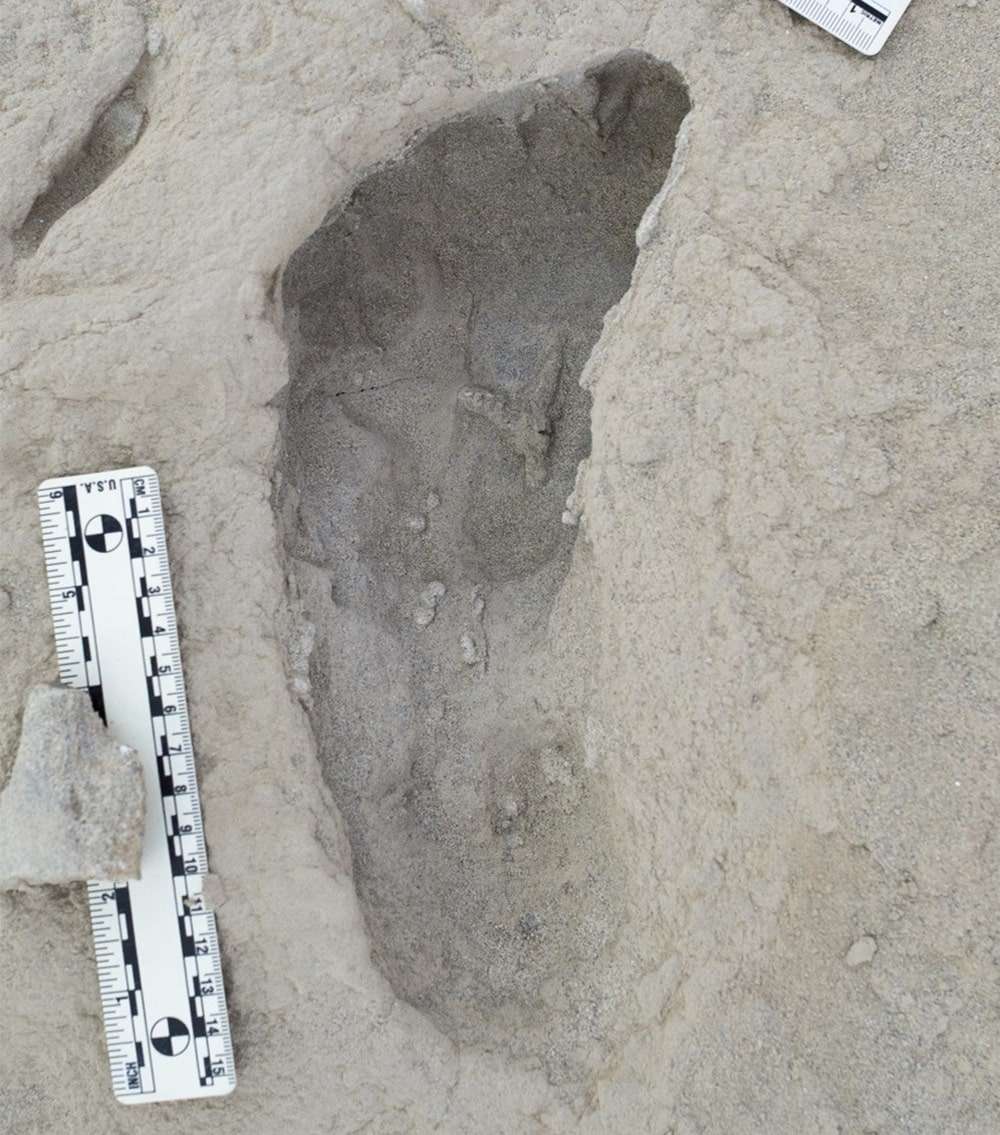
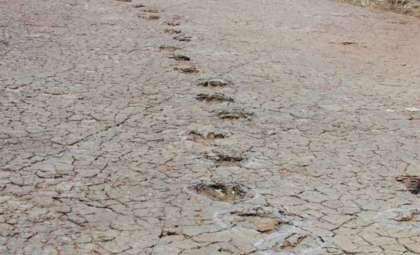
A recent paper, published in Science, examined a collection of ancient footprints preserved on lakebed sediments near Lake Turkana, a site famed for hominin discoveries.

These footprints conclusively show that Homo erectus, considered a direct ancestor to modern humans, and Paranthropus boisei, a robust hominin specialized for a diet rich in plants, occupied the same region simultaneously.
“Fossil footprints are exciting because they provide vivid snapshots that bring our fossil relatives to life—with these kinds of data, we can see how living individuals, millions of years ago, were moving around their environments and potentially interacting with each other, or even with other animals.” said Kevin Hatala, lead researcher from Chatham University.
How Footprints Complement Fossil Records
While skeletal remains reveal what species existed and their possible habitats, they don’t capture everyday behavior or interactions.
Footprints paint a dynamic picture of mobility, site usage, and even potential encounters among different hominin species.
Analysis of the Kenyan tracks revealed notable differences between footprints made by the two species. Homo erectus footprints display a walking pattern that closely resembles that of modern humans—characterized by a long stride and efficient gait.
Meanwhile, Paranthropus boisei left imprints suggesting a wider stance and a distinctive walking style, likely related to its more robust stature.
Extending their investigation to neighboring sites, researchers identified multiple footprint assemblages, demonstrating these species repeatedly frequented lake-margin habitats over a span of 200,000 years.
Did Resource Competition or Environmental Shifts Shape Evolution?
One major question prompted by this discovery is how these hominin species coexisted for such a prolonged period. Did they compete for the same resources, or did they specialize to avoid direct competition?
Researchers propose that dietary adaptations allowed for coexistence. While Homo erectus utilized tools and likely had a more varied diet including animal protein, Paranthropus boisei depended predominantly on tough plants.
The eventual demise of Paranthropus boisei contrasts with the evolutionary success of Homo erectus, whose lineage gave rise to modern humans. Researchers believe that climate fluctuations altering resource distribution likely influenced these divergent outcomes.
“It’s possible that shifting climates affected available food sources, contributing to the extinction of Paranthropus while allowing Homo erectus to flourish,” noted Hatala.
Advancing Our Understanding of Human Ancestry
This breakthrough opens new pathways for exploring early hominin life. Ongoing research aims to uncover more trackways at the site that could reveal details about social behavior and group dynamics.
Future digs will focus on whether these species regularly interacted or occupied overlapping but separate spaces, with hopes of finding signs of cooperation, avoidance, or conflict etched in their footprints.
- Categories:
- Science





0 comments
Sign in to Comment