

A routine trek through the Italian Alps has led to a groundbreaking discovery—a 280-million-year-old ecosystem preserved within sandstone formations. This exceptional find offers a vivid glimpse into life during the Permian period, a pivotal chapter in Earth’s prehistoric timeline. Embedded in the rock are fossilized footprints from reptiles and amphibians, remnants of ancient plants, and environmental traces like raindrop impressions and ripples from ancient freshwater shorelines. Such an extraordinary preservation provides scientists with a unique window into ecosystems that existed long before dinosaurs roamed, revealing invaluable information about prehistoric climates and habitats.
Hiker’s Keen Eye Sparks a Scientific Breakthrough
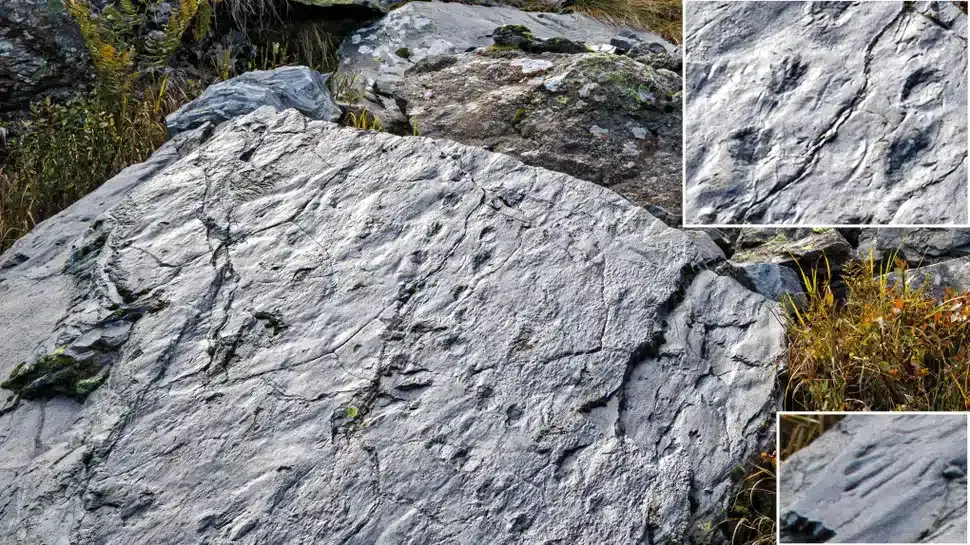
During an outing in 2023 in the Valtellina Orobie Mountains Park, hiker Claudia Steffensen spotted intriguing marks on a sandstone slab. Initially overlooked, these patterns of circular grooves and wave-like lines were soon identified as animal tracks. This unexpected finding captured scientific attention and led to the uncovering of one of the most detailed fossil ecosystems from the Permian era.
Experts from the University of Pavia and the Natural History Museum of Milan promptly began an investigation. The primary slab, dubbed “rock zero,” contained fossilized footprints from various prehistoric reptiles and amphibians. Further explorations uncovered more slabs rich with fossils, including plant material, sedimentary ripple marks from lakeshores, and even fossilized raindrop impressions. These artifacts were located at elevations above 9,800 feet, underscoring the intense geological transformations that raised the Alps over millions of years.

Insights from a 280-Million-Year-Old Natural Archive
These fossils originate from the Permian period (about 299 to 252 million years ago), an era marked by profound environmental upheaval. Massive volcanic eruptions during this time triggered global warming, shaping dry tropical landscapes and causing widespread extinction events.
The preserved tracks represent at least five distinct species, covering reptiles, amphibians, and arthropods. Some reptiles reached lengths of up to 10 feet, comparable in size to today’s Komodo dragons. As noted by Live Science, paleontologist Cristiano Dal Sasso remarked, "Dinosaurs had yet to evolve, but the largest footprints found here belonged to notably sizable creatures."
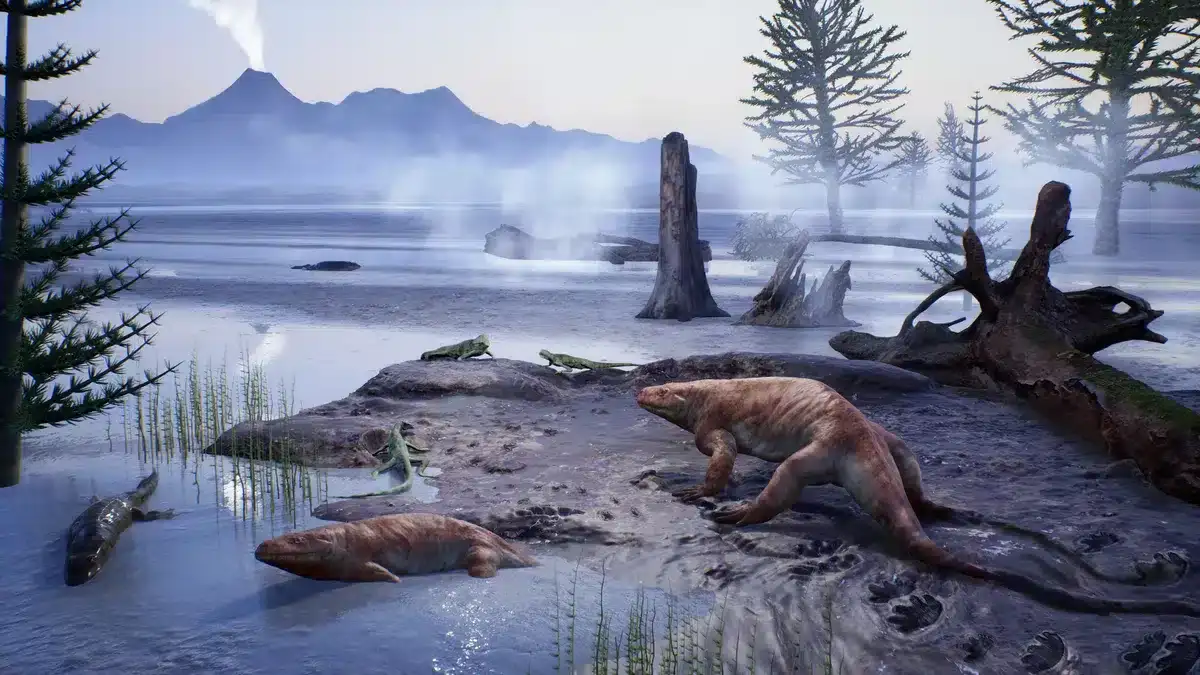
The sandstone’s fine texture captured exceptional details such as claw imprints, belly scales, and even fingertip impressions. According to Lorenzo Marchetti from the Leibniz Institute, "The sediment’s fine grain, now fossilized, preserved extraordinary features including fingertip and belly skin marks." These fossils provide an unmatched perspective on life prior to dinosaurs, shedding light on evolutionary milestones of early terrestrial ecosystems.
Mountains Preserve a Bygone Era Through Geological Processes
This site high in the Italian Alps owes its exceptional preservation to a rare mix of geological and environmental conditions. The fossils originally formed along the muddy banks of ancient lakes and rivers. Cycles of wet and dry seasons hardened the mud, safeguarding the footprints against erosion.
Over millions of years, tectonic movements involved in the Alps' formation uplifted these sedimentary layers. The collision between the African and Eurasian plates created the towering range visible today, elevating fossil-rich rocks to lofty heights. Subsequent erosion and landslides scattered these fossil-bearing stones across alpine valleys, enabling scientists to piece together traces from this long-lost world.
The Significance of This Ancient Discovery
Uncovering this 280-million-year-old ecosystem not only sheds light on Earth’s deep past but also enhances our understanding of how life adjusts to extreme environmental changes. The preservation of footprints, plant remains, and environmental marks allows researchers to reconstruct a detailed image of the Permian landscape and its inhabitants' adaptations.
This discovery underscores the essential role of safeguarding Earth's geological legacy. With ongoing climate shifts and retreating glaciers revealing more hidden ancient records, such findings enrich our knowledge of ecosystem resilience and susceptibility. By studying these ancient clues, scientists aim to improve predictions related to contemporary climate change impacts.
The chance find in the Italian Alps serves as a potent reminder that Earth's ancient history holds vital lessons for the future. This 280-million-year-old ecosystem offers a wealth of scientific insight and emphasizes the urgency to protect our planet for future generations. As analysis continues, this prehistoric environment promises to unveil further secrets about the forces that shaped early life on Earth.
- Categories:
- News











0 comments
Sign in to Comment