
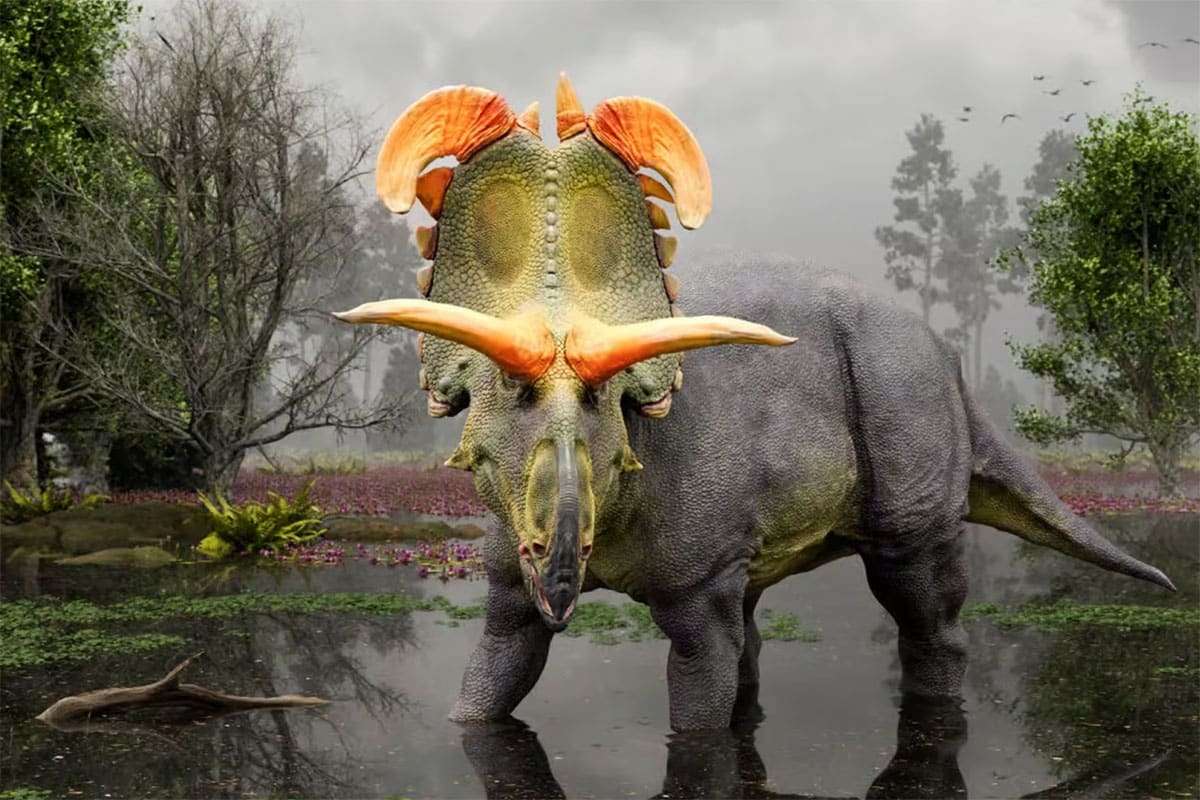
Paleontologists have identified a distinctive dinosaur species bearing horns that evoke the image of Loki, the Norse deity known for mischief. This newly classified dinosaur, Lokiceratops rangiformis, reveals fascinating details about the variety and evolution of horned dinosaurs.
Key points include:
- Species identified: Lokiceratops rangiformis, featuring asymmetrical horns, discovered in Montana.
- Distinctive anatomy: Ornate, uneven horns reminiscent of Loki’s iconography, setting it apart from other horned dinosaurs.
- Discovery details: Fossils recovered in 2019 near the US-Canada boundary at the site dubbed “Loki Quarry.”
- Biodiversity insights: This discovery underscores significant regional variation among Late Cretaceous dinosaurs.
- Research potential: Further analysis will examine the evolutionary significance and function of Lokiceratops’ unique horns.

A Fresh Discovery in Ceratopsian Research
The dinosaur named Lokiceratops rangiformis was found within Montana's Judith River Formation and has generated great interest among experts. Closely related to the famous Triceratops, it roamed the Earth about 78 million years ago. Its name draws inspiration from Loki due to its complex and asymmetrical horn patterns on the frill.
Excavation Details
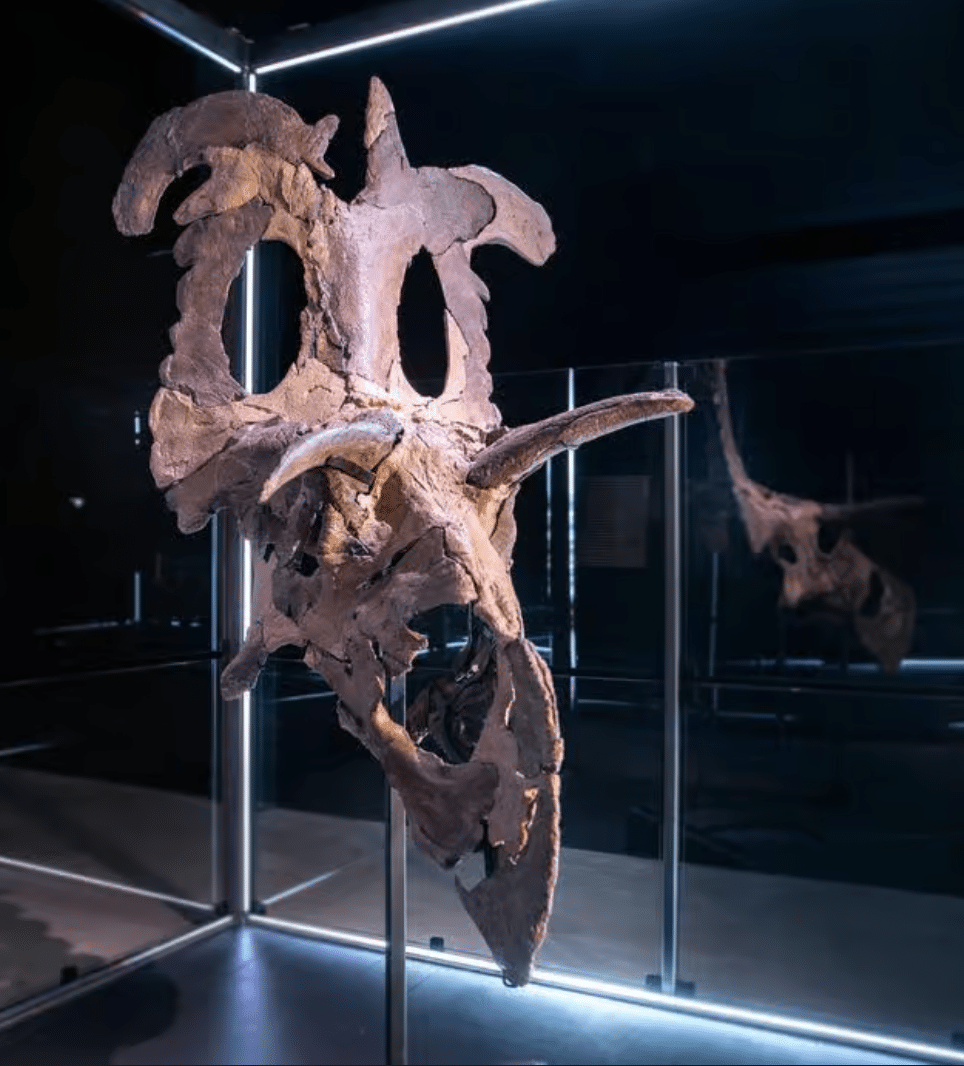
The fossils were excavated in 2019 in the Kennedy Coulee area near the Canada-US border. Termed the “Loki Quarry,” this site produced an almost complete skull and parts of the skeleton, enriching understanding of this species. Paleontologists Mark A. Loewen and Joseph J. W. Sertich led the careful excavation and reconstruction efforts.
Distinctive Characteristics
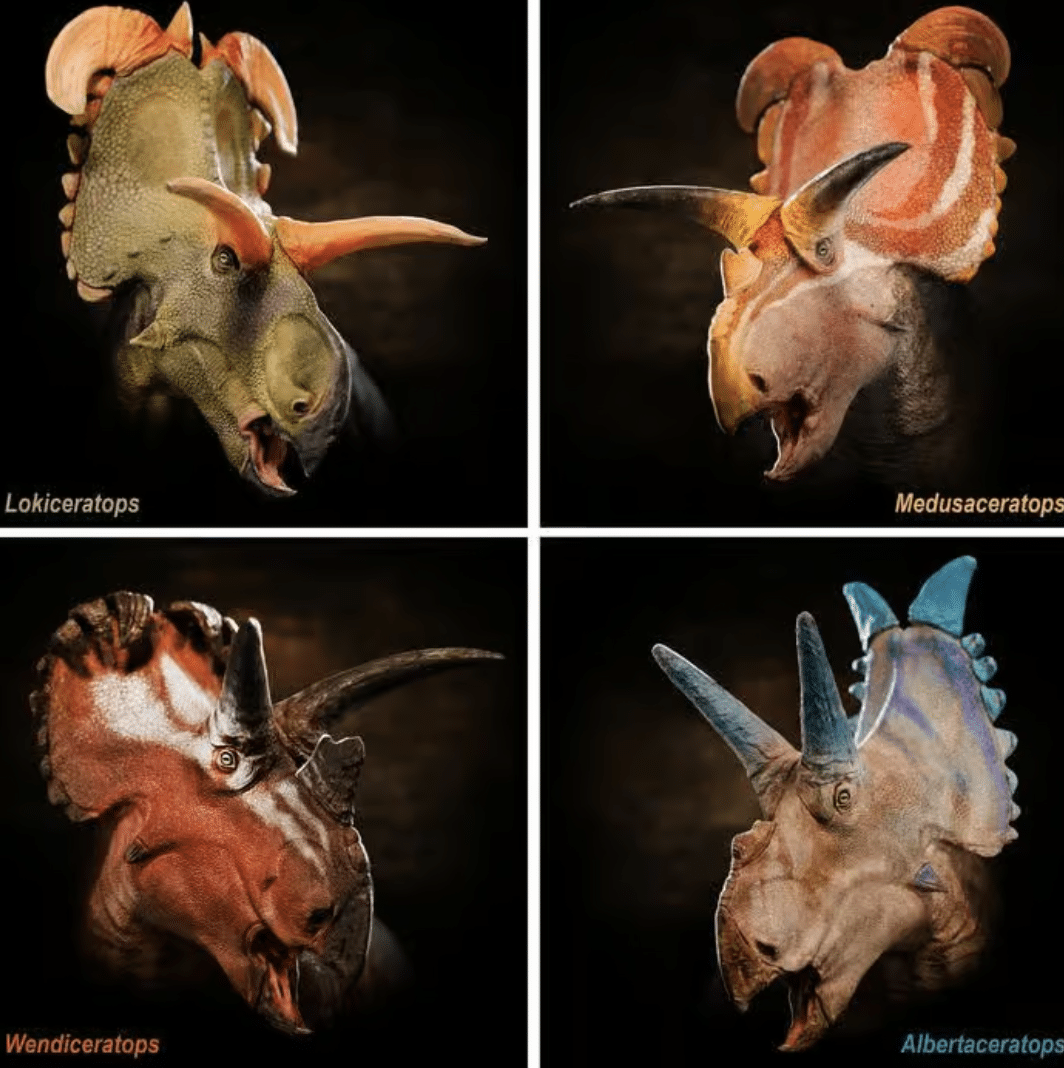
The skull exhibits striking horn formations unlike those of other ceratopsians. Lokiceratops had large, blade-like, irregular horns on its frill complemented by two substantial horns above its eyes. These unique features point to greater morphological variety among horned dinosaurs and may have served roles in mating displays or species identification.
Significance for Understanding Dinosaur Variety
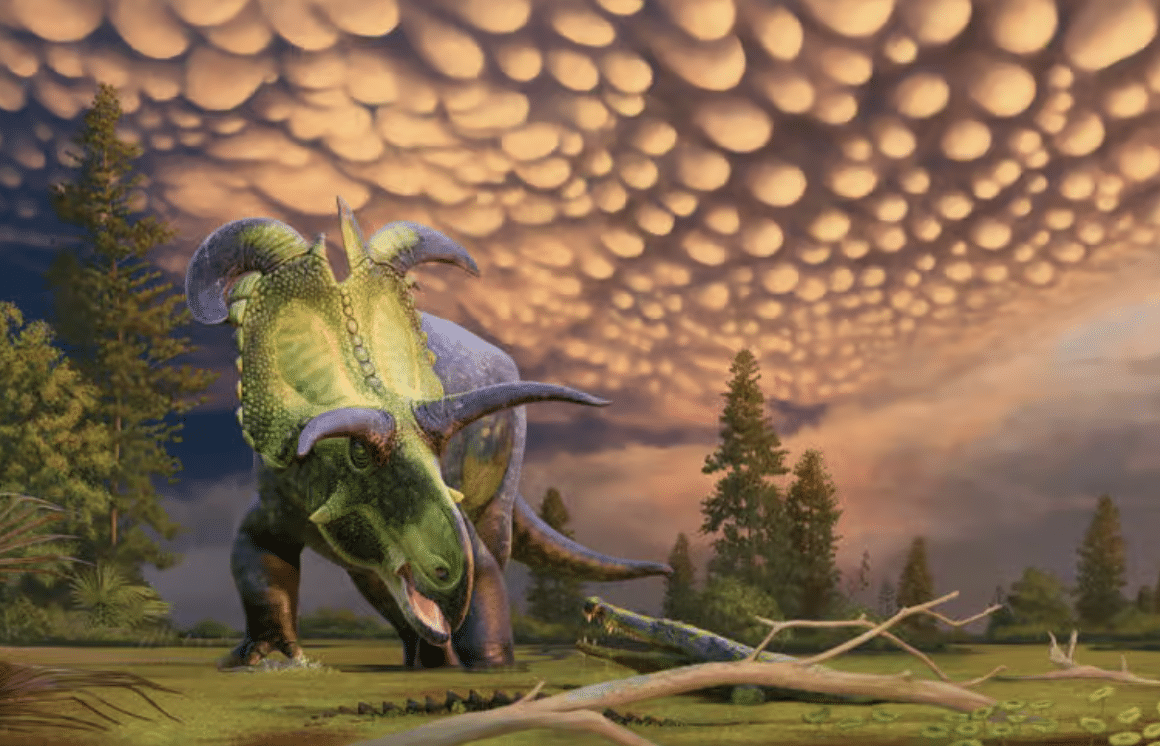
Lokiceratops’ identification highlights the breadth of Late Cretaceous dinosaur diversity and localized evolution. Findings support the notion that dinosaur populations in different regions developed distinctive physical traits influenced by environmental factors and sexual selection. The peculiar horn shapes of Lokiceratops present a snapshot of these evolutionary adaptations.
Geological Setting
The Judith River Formation, where the fossils were discovered, dates back roughly 78 million years and is a treasure trove of ceratopsid remains. This site offers key data on the ecological roles and evolution of herbivorous dinosaurs, with Lokiceratops adding depth to current knowledge about ceratopsian diversity during that era.
Prospects for Further Study
This finding paves the way for new research avenues focused on the unusual horn formations and their behavioral significance. Ongoing fossil digs and detailed studies remain crucial for uncovering the complex narrative of dinosaur evolution and adaptation.
Lokiceratops rangiformis exemplifies the rich diversity of creatures that once roamed prehistoric landscapes. The dinosaur’s exceptional horns not only intrigue scientists but also deepen understanding of evolutionary dynamics shaping ancient life. Each new discovery like this enriches our grasp of Earth’s biological past.












0 comments
Sign in to Comment