
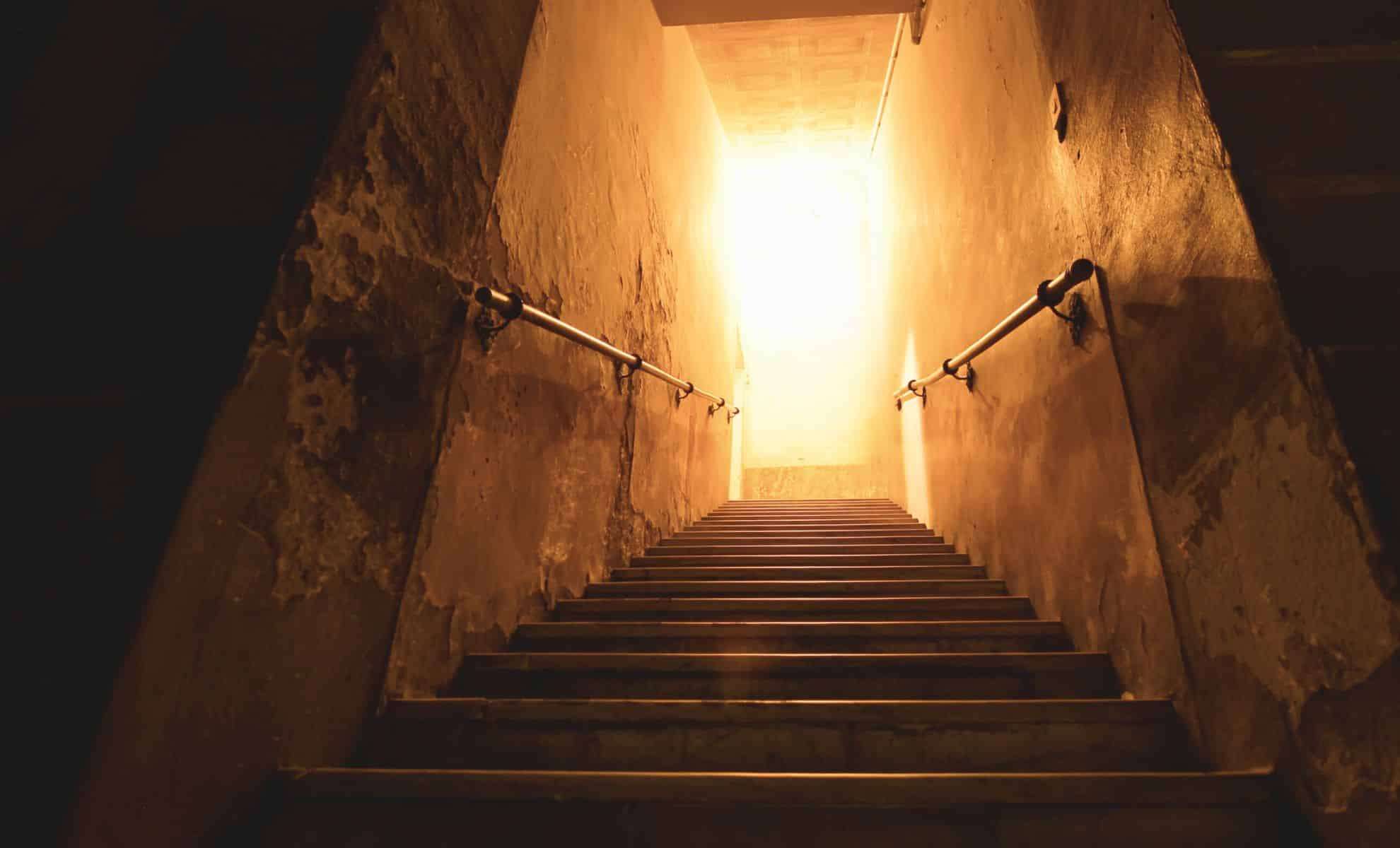
Buried beneath layers of time, a forgotten stairway has led experts to an extraordinary find: a burial chamber dating back 400 years, preserved and untouched for ages. This sealed vault was uncovered during excavation beneath an ancient structure, revealing a rare window into historic burial customs and the ceremonial traditions of a bygone community.
The Hidden Staircase Reveals a Glimpse of the Past
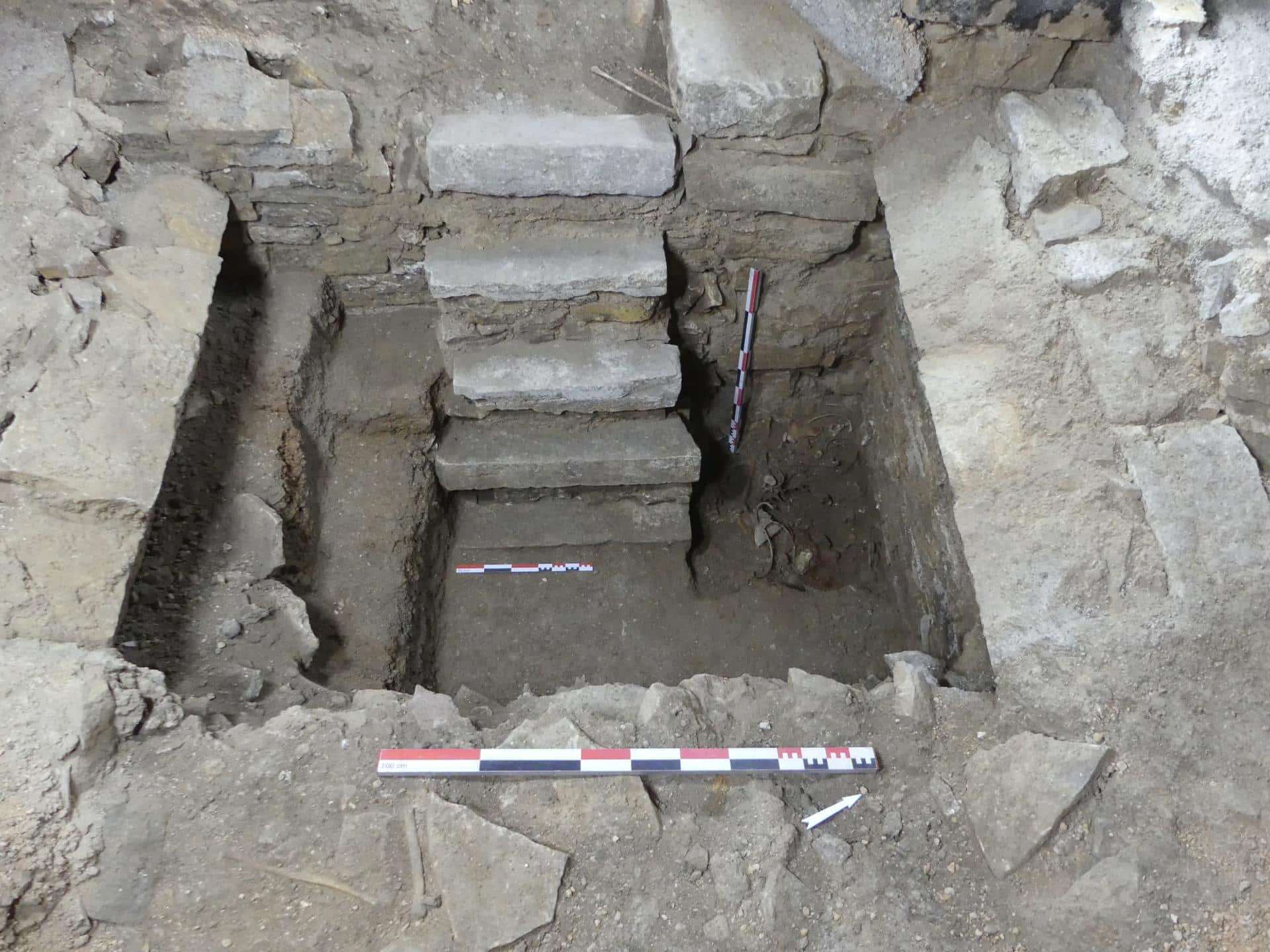
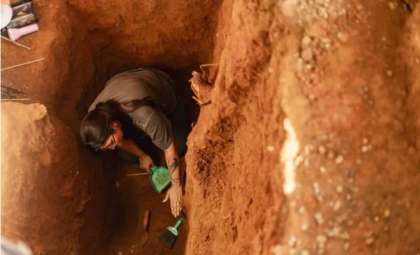
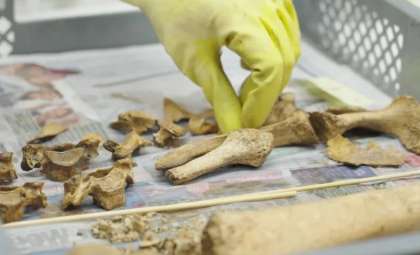
Documented in the French publication Institut national de recherches archéologiques préventives, the find began with what appeared to be a simple excavation. A previously overlooked staircase, thought to be just part of the building's support, had remained concealed for years. Following this stairway deeper inside, archaeologists discovered a hidden, sealed burial vault under accumulated debris. As they explored its contents, including ancient human skeletal remains and artifacts, the significance of the vault emerged clearly.
Researchers quickly recognized the vault’s value, as it was remarkably intact. This rare preservation provides crucial insights into the funerary rites of centuries past. The remains, along with accompanying relics, indicate a culture that honored tradition and ritual, leaving behind more than just physical remains.

Uncovering Historical Layers
Excavations revealed not only the burial chamber but also architectural features that illuminate the site’s long history. Dating back over four centuries, this vault offers a unique snapshot of burial traditions during an era when such rituals were central to societal life. Items found with the remains suggest this was the final resting place for members of an elite class, reflecting their status and wealth.
The exact identities of those interred remain a mystery, but the careful placement of their remains and the presence of personal belongings give clues about their customs and daily lives. Moreover, the vault’s excellent condition highlights the meticulous craftsmanship of its builders, ensuring the preservation of these traces for centuries.
Unveiling Discoveries Beneath Saint-Philibert Church
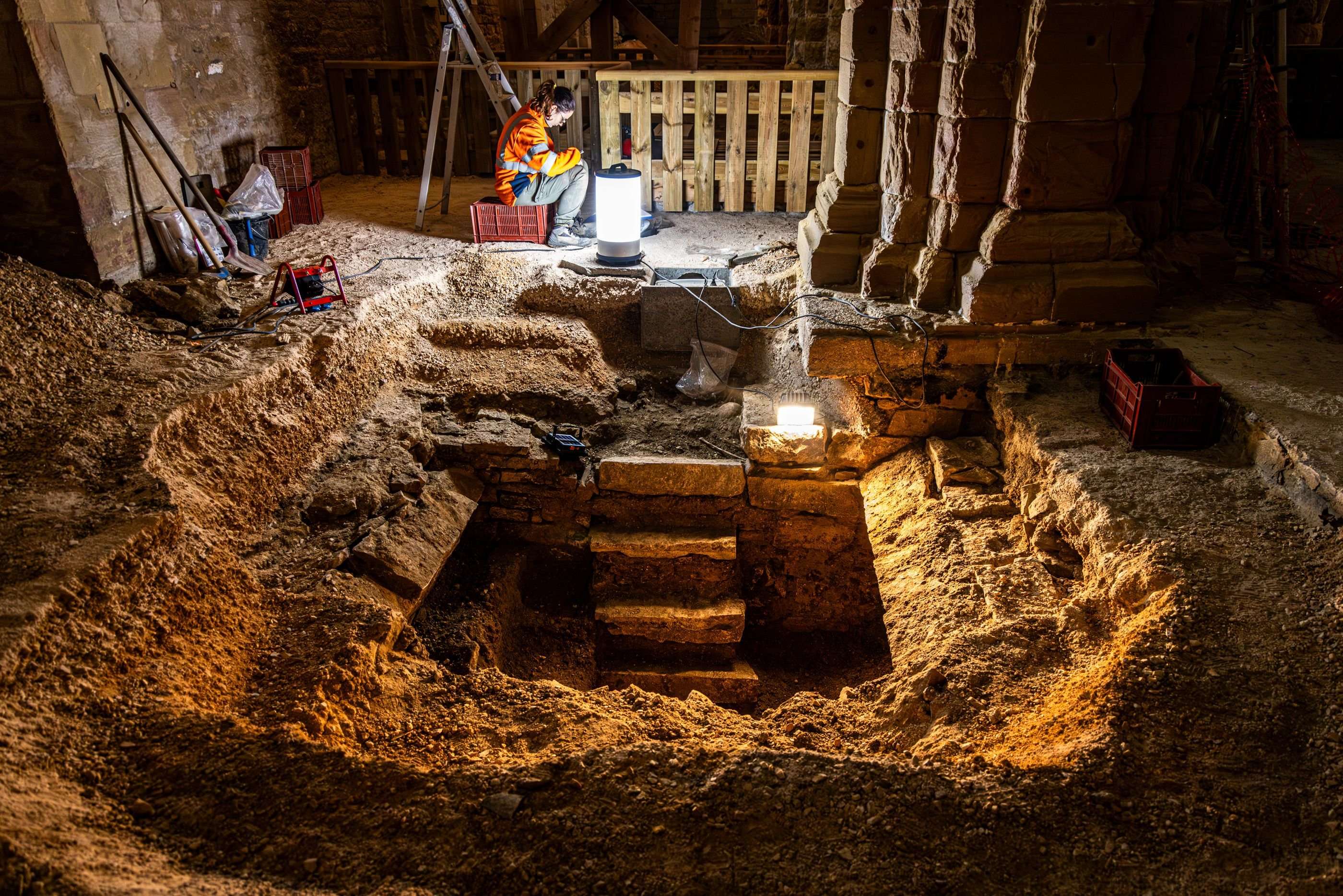
In Dijon, France, a related dig beneath Saint-Philibert Church revealed numerous historic artifacts. During a foundation assessment, archaeologists uncovered graves spanning multiple centuries. Dating back to the church’s 12th-century origins, these layers chronicle the city’s long and diverse past.
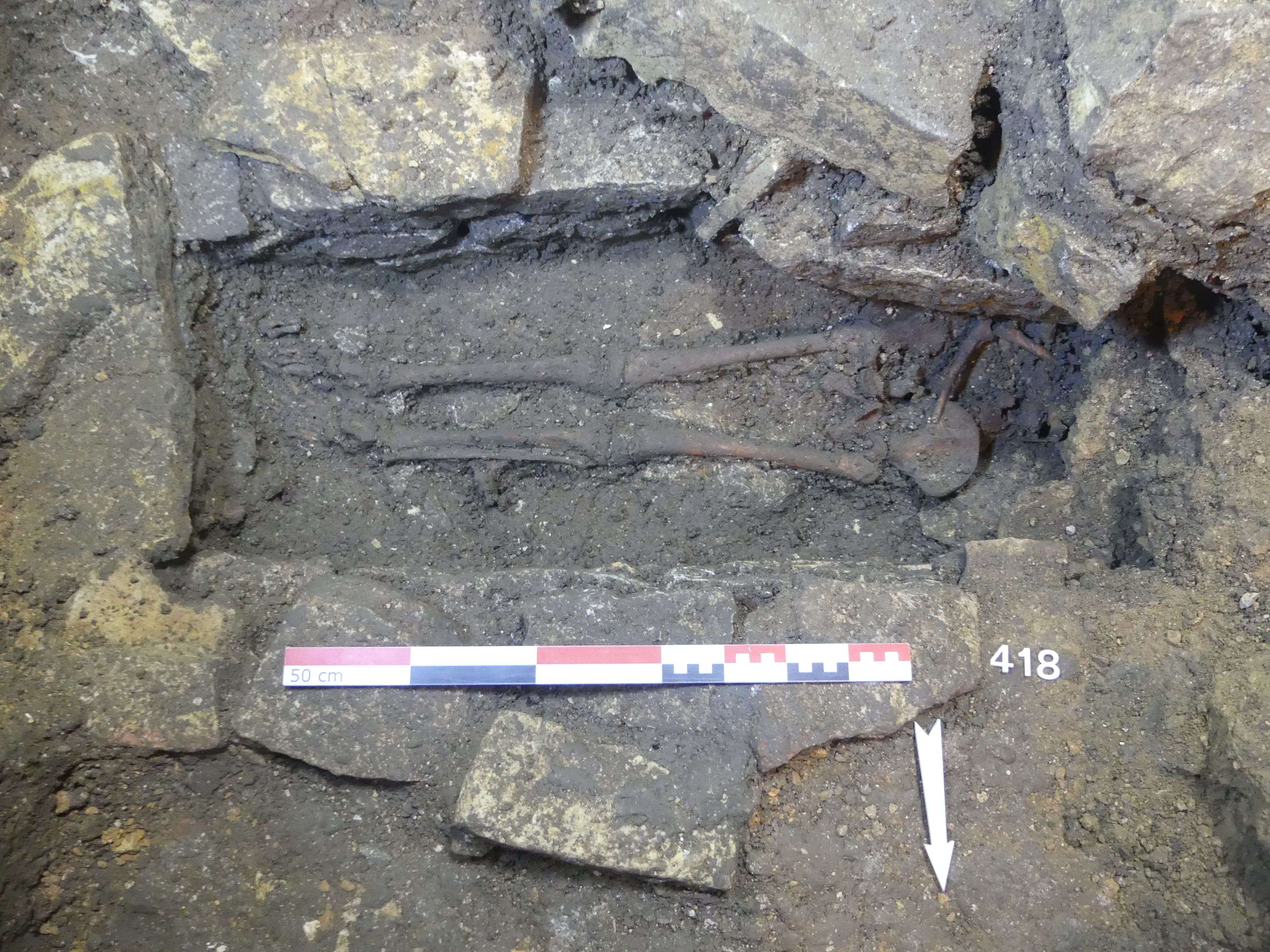
Among the findings were tombs from the 14th century, as well as a later burial vault from the 15th and 16th centuries. These discoveries shed light on the church’s evolution as both a spiritual center and burial site, illustrating the progression of religious beliefs and social customs. The tombs especially highlight transitions in funerary practices from the medieval era to more recent times.
Revealing Ancient Rituals and Culture
Beneath layers of time-worn stone and salt-stained masonry, archaeologists uncovered remnants from past civilizations long overlooked. Included in the finds were several Merovingian-era sarcophagi adorned with elaborate carvings, emphasizing the spiritual and cultural significance of those buried. These findings confirm Saint-Philibert Church’s role as a focal point for both religious and communal activities across centuries.
Additional structural remains beneath the church’s pillars, including fragments of earlier churches from the 10th and 11th centuries, indicate the site’s lasting importance over a millennium. These treasures illuminate the deep connection between Dijon’s inhabitants and their sacred architecture, underscoring how faith and design have shaped its history.
Each new archaeological layer enriches our understanding of the interplay between architectural development, mortuary customs, and societal values. The recent vault discovery alongside the ongoing work at Saint-Philibert highlights the vital role archaeology plays in unveiling long-hidden pasts.
- Categories:
- News









0 comments
Sign in to Comment