
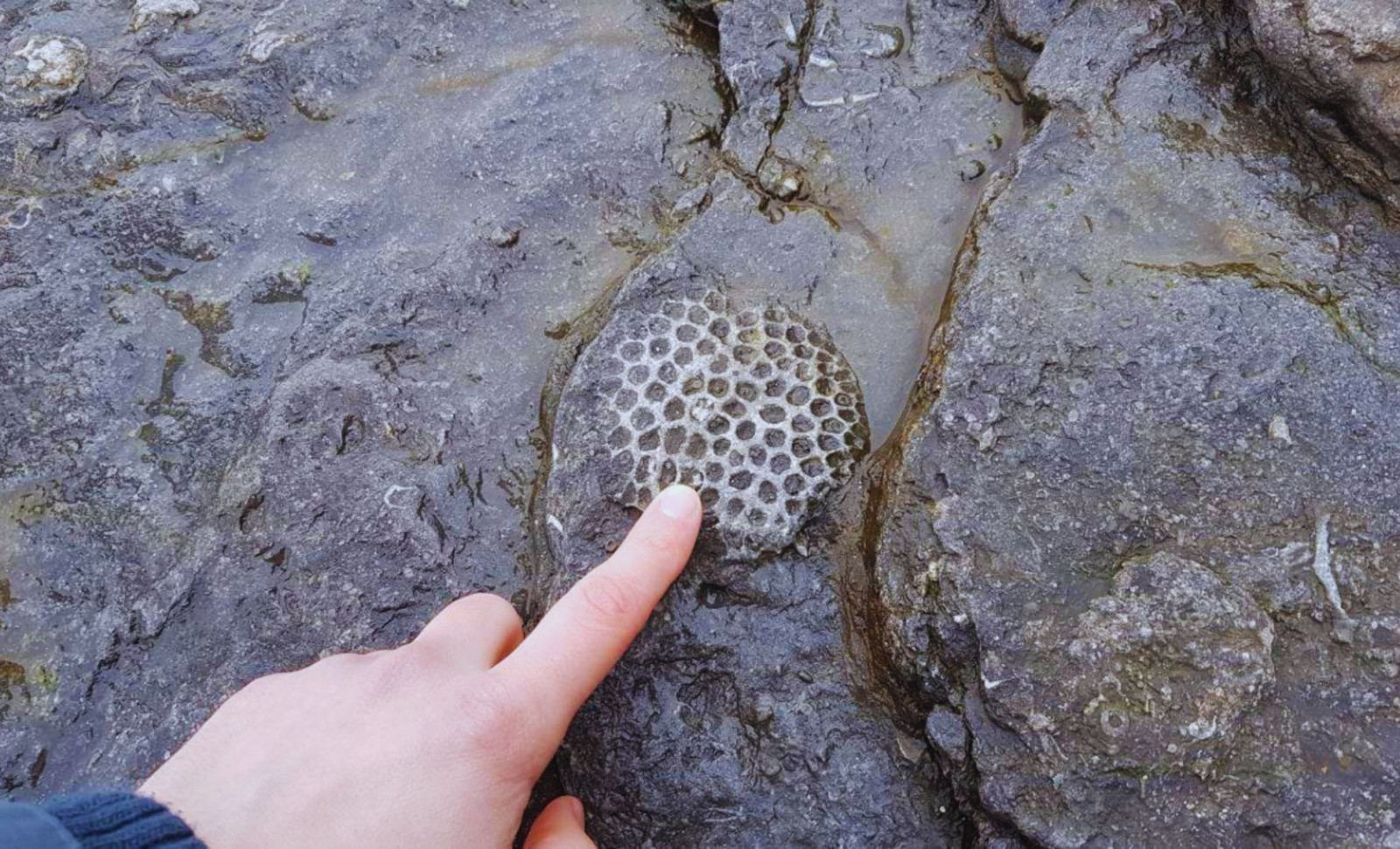
Microscopic formations discovered within ancient Canadian rock samples might represent the earliest evidence of animal existence, dating back almost 890 million years. This finding is controversial but could potentially revise the timeline for animal origins significantly.
The investigation was conducted in the remote mountainous regions of the Northwest Territories by geologist Elizabeth Turner, who has dedicated decades to studying this area. The studied rocks formed in a prehistoric oceanic environment, which played a crucial role in preserving these unique features.
Pinpointing the dawn of animal life has always posed challenges. Fossils from such deep time are scarce, forcing scientists to depend largely on genetic modeling to estimate when animals first arose.

Delicate Networks Resembling Sponge Structures
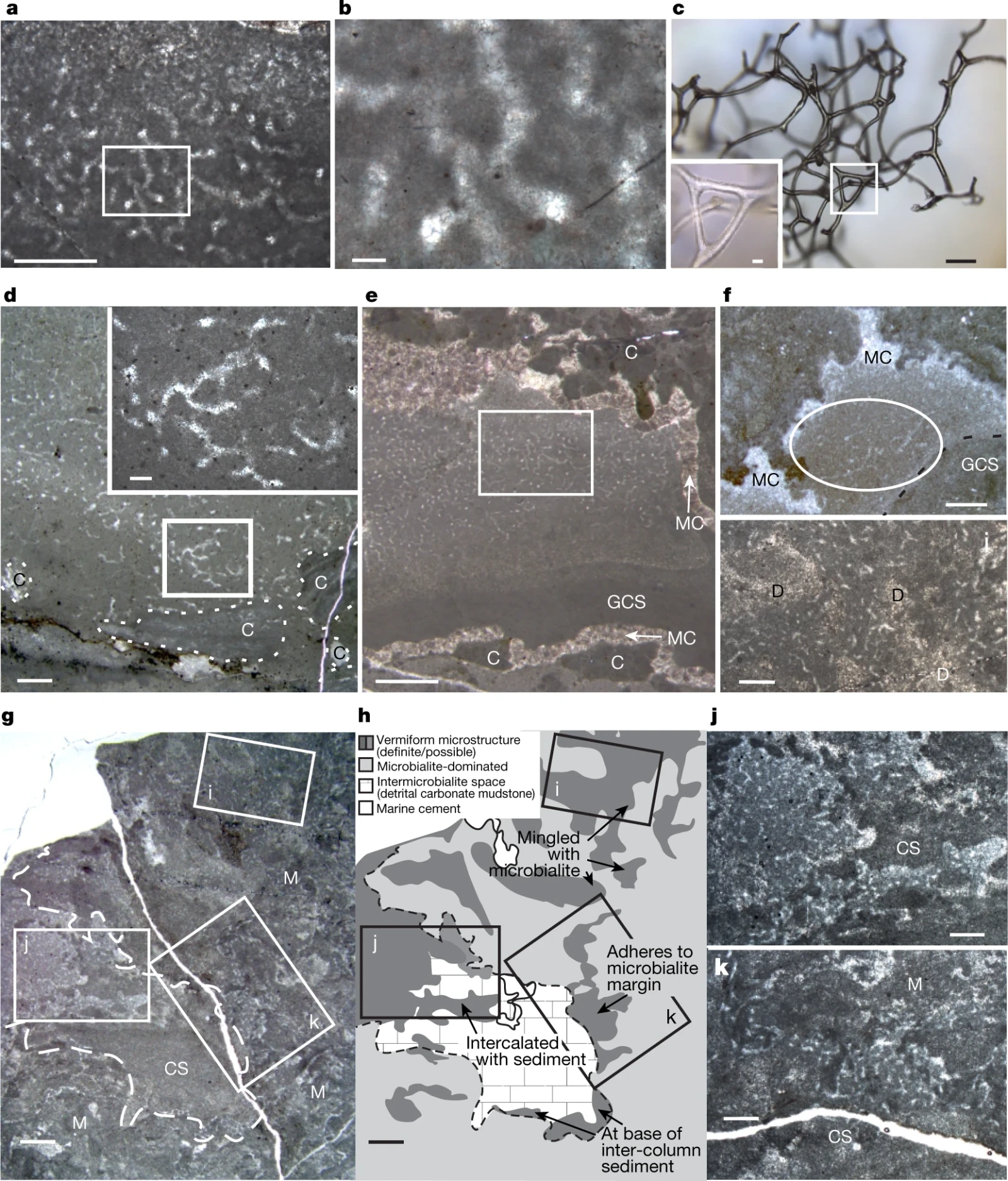
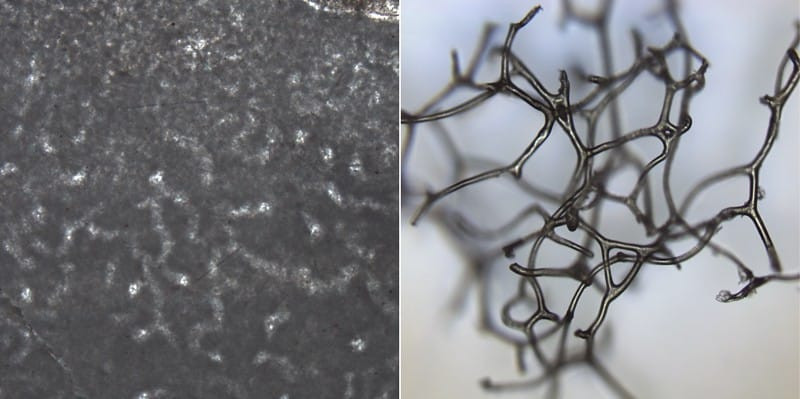
Examination of thin rock sections revealed intricate webs of organic filaments that closely mirror the internal scaffolding found in modern sponges, some of the simplest multicellular animals. Published in Nature, the study includes comments by Joachim Reitner from the University of Göttingen, who emphasized that such filament patterns are characteristic of sponges and not found in other organisms.
“I believe these are ancient sponges—only this type of organism has this type of network of organic filaments.”
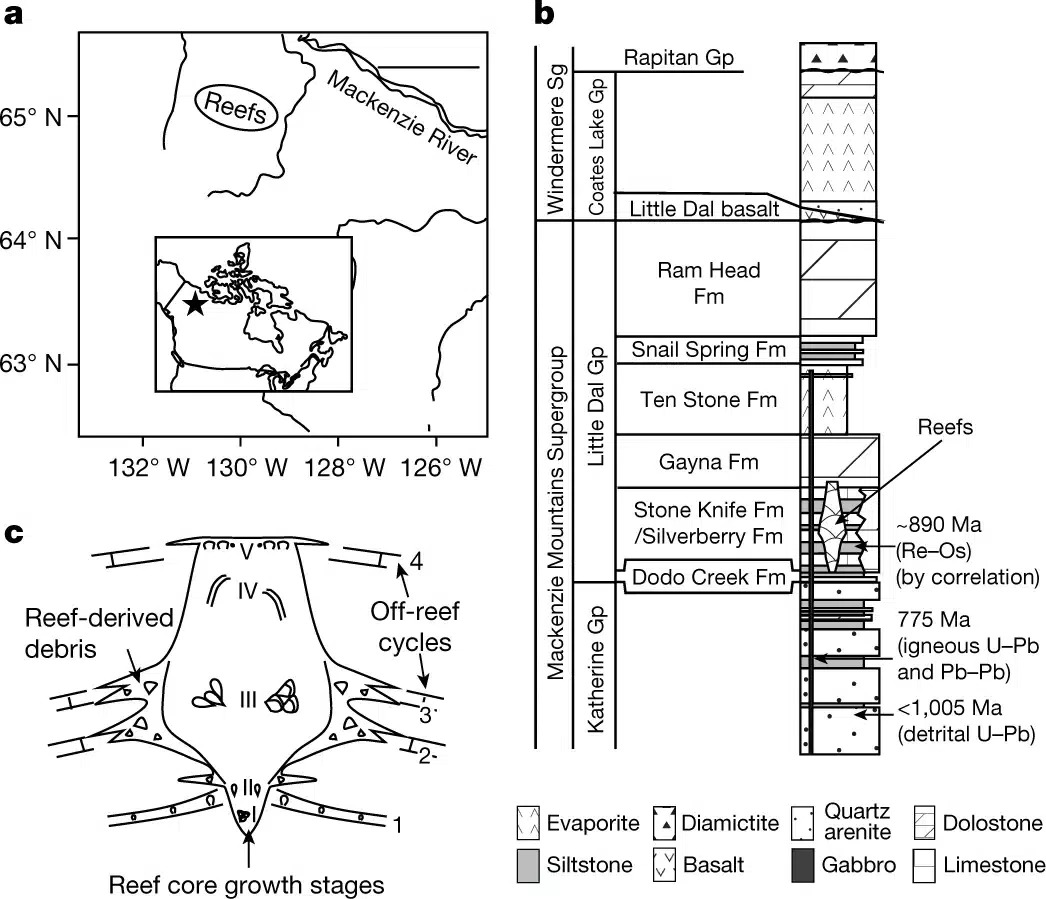
Although not directly involved in the research, Reitner's insights align with Elizabeth Turner’s conclusions. The site’s extreme inaccessibility, reachable only by helicopter, partly explains why such evidence has eluded discovery until now.
Closing a 350-Million-Year Gap in Fossil Records
If validated, these fossils would predate the previously known oldest sponge fossils by about 350 million years. Until recently, confirmed sponge fossils were limited to the Cambrian era, roughly 540 million years ago. The new findings correspond with molecular clock estimates suggesting that sponge ancestors existed nearly one billion years ago. Fossil confirmation of this has long been absent.
Paco Cardenas from Uppsala University, who was not part of the study, remarked that this discovery could reshape knowledge about early animal evolution, though additional verification is required.
“What’s most stunning is the timing,” he said. “To have discovered sponge fossils from close to 900 million years ago will greatly improve our understanding of early animal evolution.”
Survival in an Oxygen-Poor Environment
These potential sponge ancestors lived during an era when atmospheric oxygen was significantly lower than today. This challenges previous assumptions that abundant oxygen was essential for the emergence of animal life.
The findings reveal that some contemporary sponges can endure in minimal oxygen conditions, implying early animals might have been more resilient and adaptable than formerly believed.
“Those kinds of fossils belong to more complicated animals — obviously there has to be a back history,” said Turner, the author of the paper.
Turner also noted that primitive animals lacked hard skeletal structures, which complicates their discovery in the fossil record. These newfound features may represent a previously missing chapter in life’s early evolution when organisms were simple and left only subtle traces.
- Categories:
- Science










0 comments
Sign in to Comment