
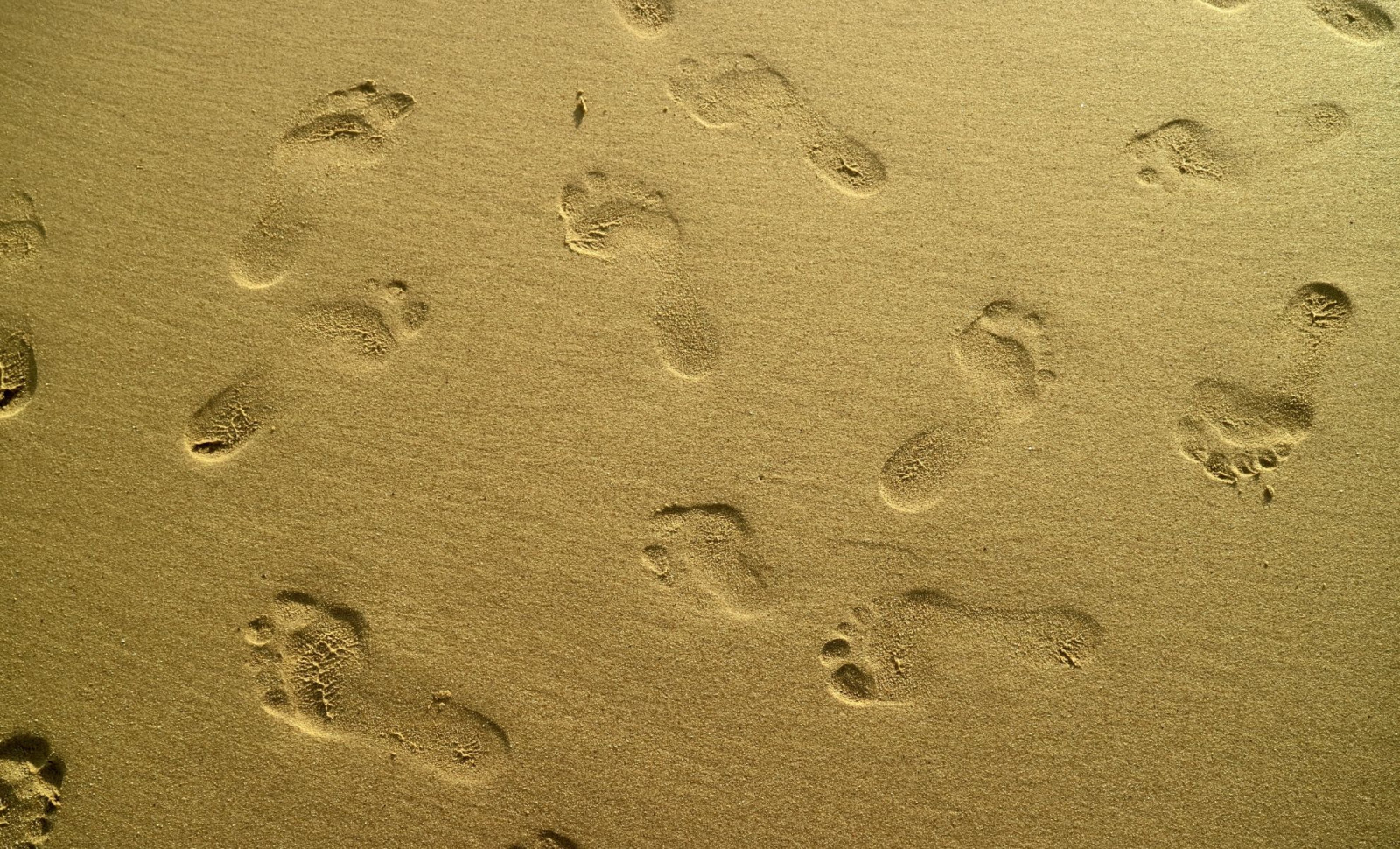
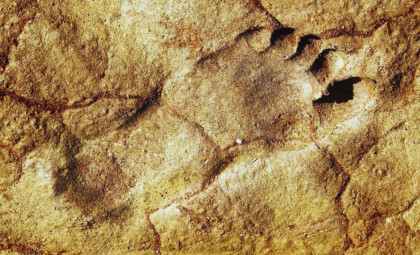
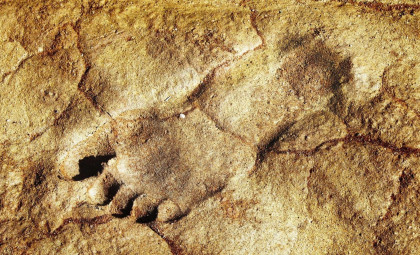
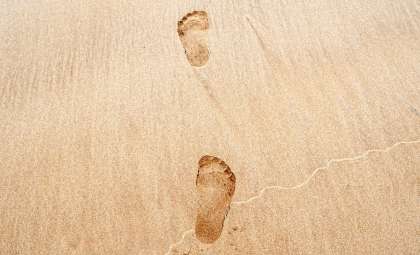
Thirteen-thousand-year-old human footprints discovered on Calvert Island provide rare, tangible evidence of early human movement along the Pacific coast of North America. These prints, embedded in coastal sediment, indicate a small group traveling together near the shoreline.
Such findings are extremely rare. Lead researcher Duncan McLaren emphasizes in the PLOS One publication that fossilized footprints seldom appear in archaeological records, though they can emerge due to coastal erosion.
During the period when these footprints were imprinted, sea levels were significantly lower, exposing land now beneath the ocean. This environmental backdrop is crucial for understanding the early human footprint in the region.

This discovery also contributes to larger debates concerning how the earliest humans migrated into the Americas, particularly highlighting the significance of coastal pathways during the last glacial period.
Twenty-Nine Footprints Belonging to Three People
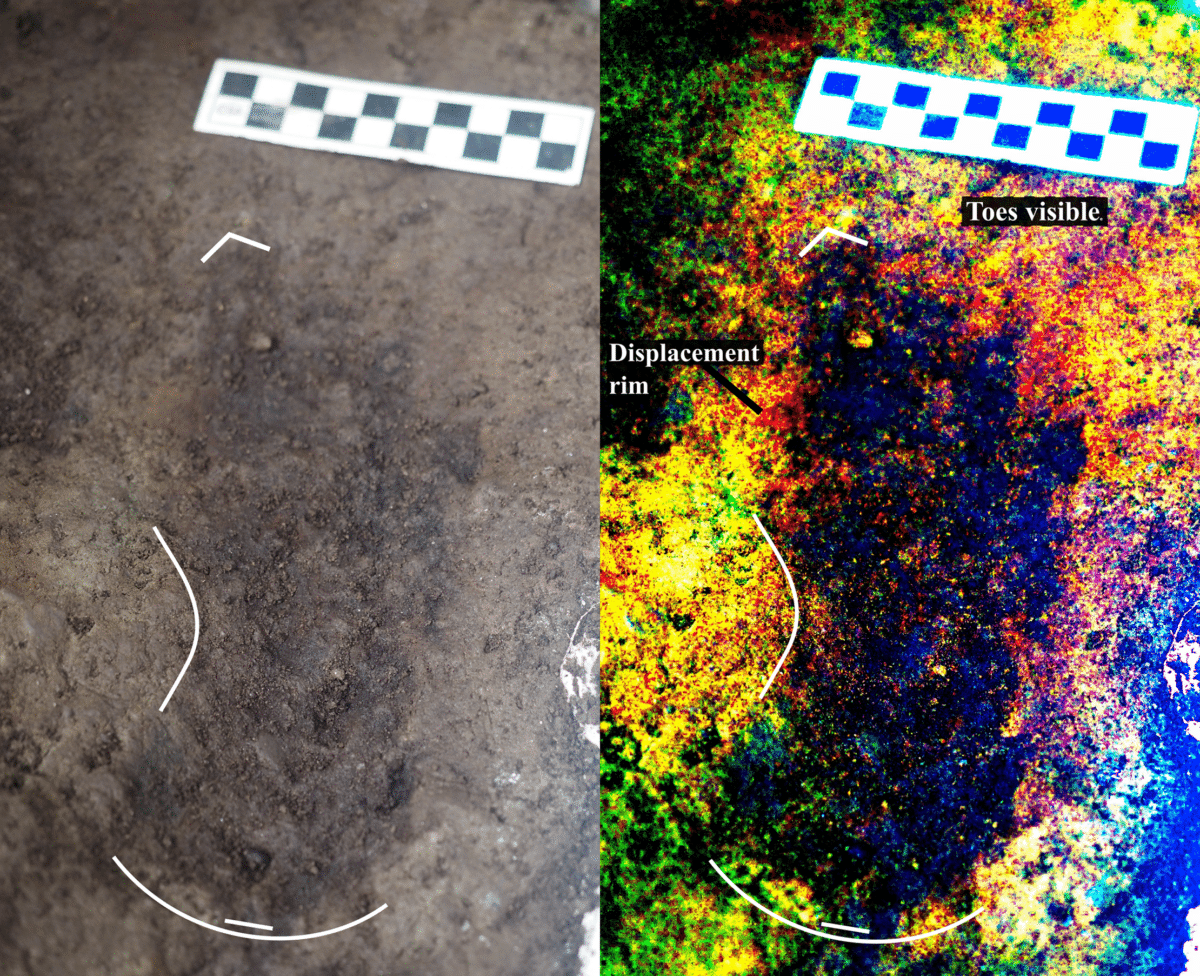
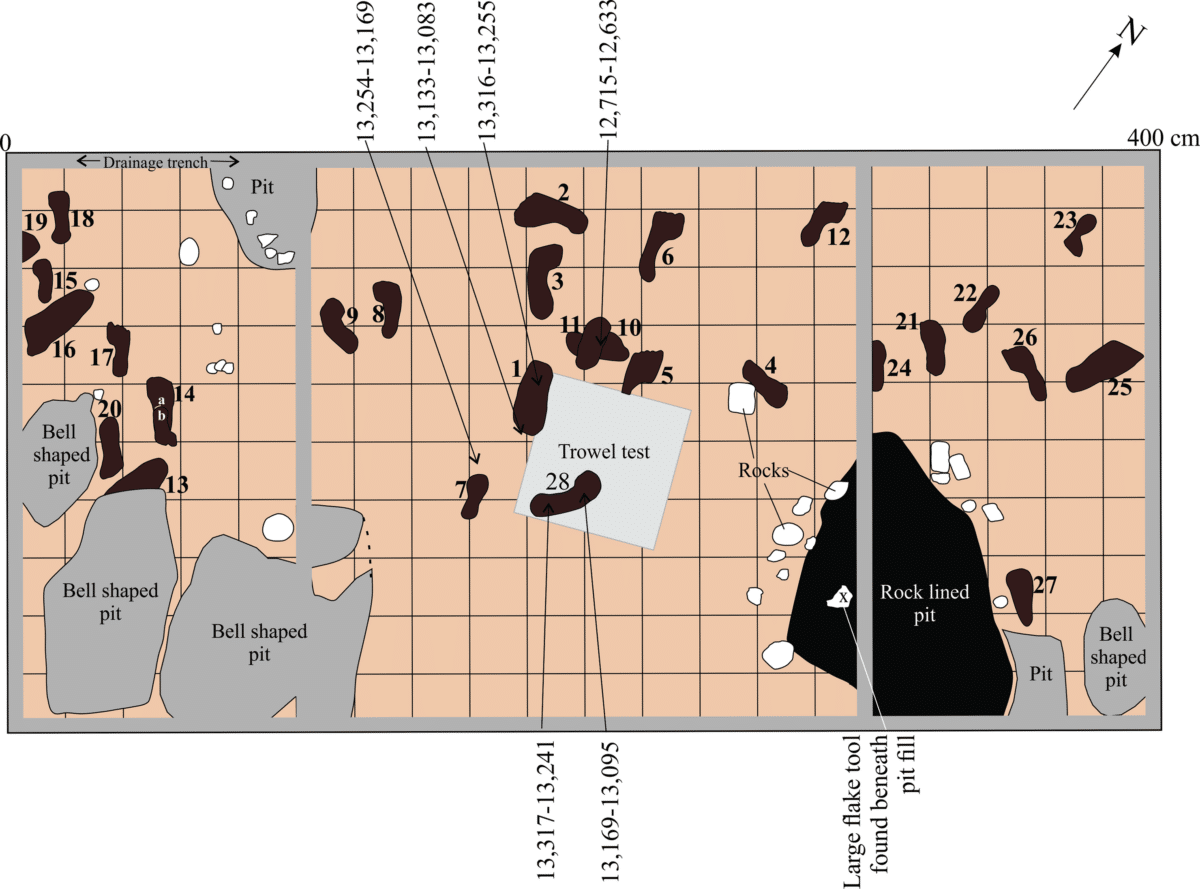
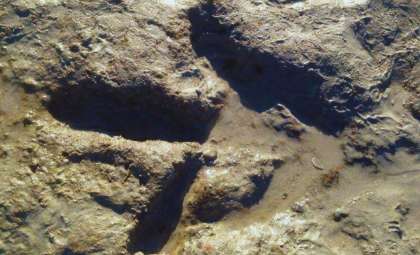
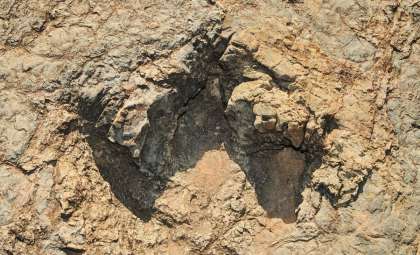
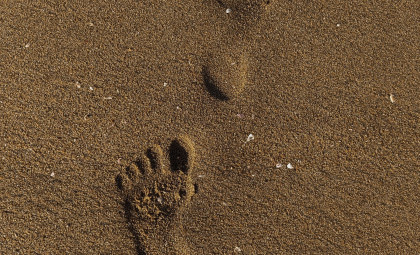
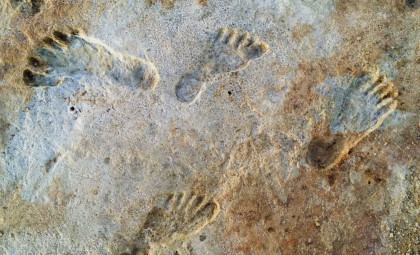
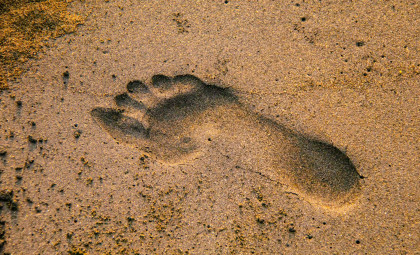
Scientists identified 29 separate footprints featuring distinct toe, arch, and heel marks. The research article associates these prints with three individuals, estimated to correspond to a woman’s size 8–9, a youth’s size 8, and a smaller adult.
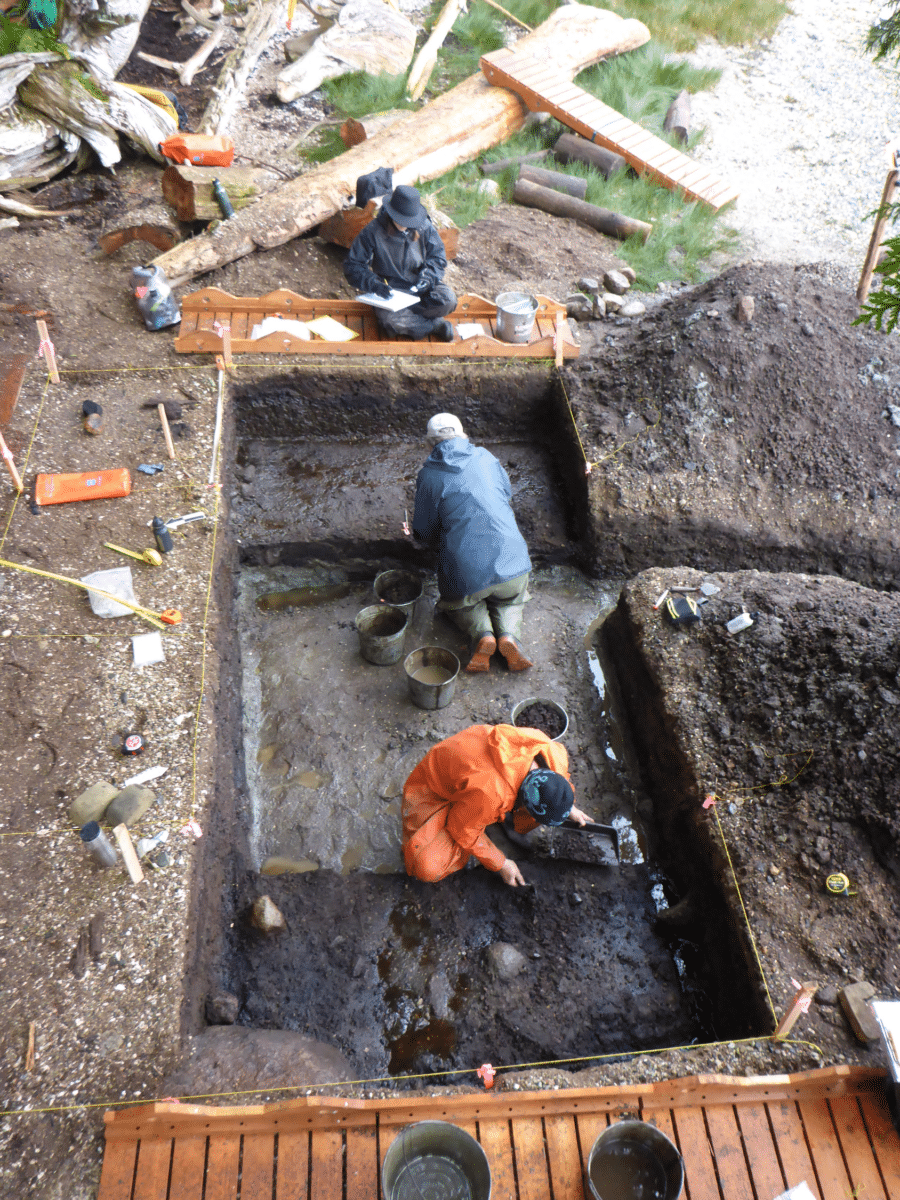
Several heel impressions show signs of sliding, indicating the surfaces were likely composed of wet, pliable mud. These aspects highlight that the group was walking barefoot at the water’s edge. According to Duncan McLaren, the footprint size range hints:
“Primarily the three different sizes of footprints found conjures up the image of a nuclear family or small group of people using the area.”
Not Just a Trail but a Gathering Spot
The layout of the footprints offers insights into the group's activities. Rather than a straightforward trail, the footprints cluster together, with many facing inland side-by-side.
This configuration suggests the individuals were likely pausing or congregating at this location. As McLaren explains:
“Most of the footprints face inland … and they may represent a place where people were disembarking from watercraft before moving to a drier area.”
Environmental reconstructions align with this, indicating that during the last glacial maximum, sea levels were approximately 6 to 9 feet lower, revealing more extensive coastal plains.
Implications for Early Human Migration Pathways
This discovery reinforces theories about early human arrival in the Americas. Although the land bridge migration from Asia remains widely accepted, these footprints support the hypothesis that ancient people also utilized the Pacific coastal corridor.
The footprints point to the use of watercraft by these early groups to move and establish settlements along the coastline, strengthening the argument for coastal migration routes.
Neil Thomas Roach from Harvard University, who was not part of the research team, commented that although early human presence in the area is expected, the footprints reveal an “intensive usage of this coastline environment” unprecedented at this scale.
“I think this study raises more questions than it answers, which is a good thing. Only with further study and excavation of these shoreline surfaces will we fully understand how many track makers were present, what they were doing on these landscapes, and how important shoreline environments were to their survival,” he concluded.
- Categories:
- Science




0 comments
Sign in to Comment