
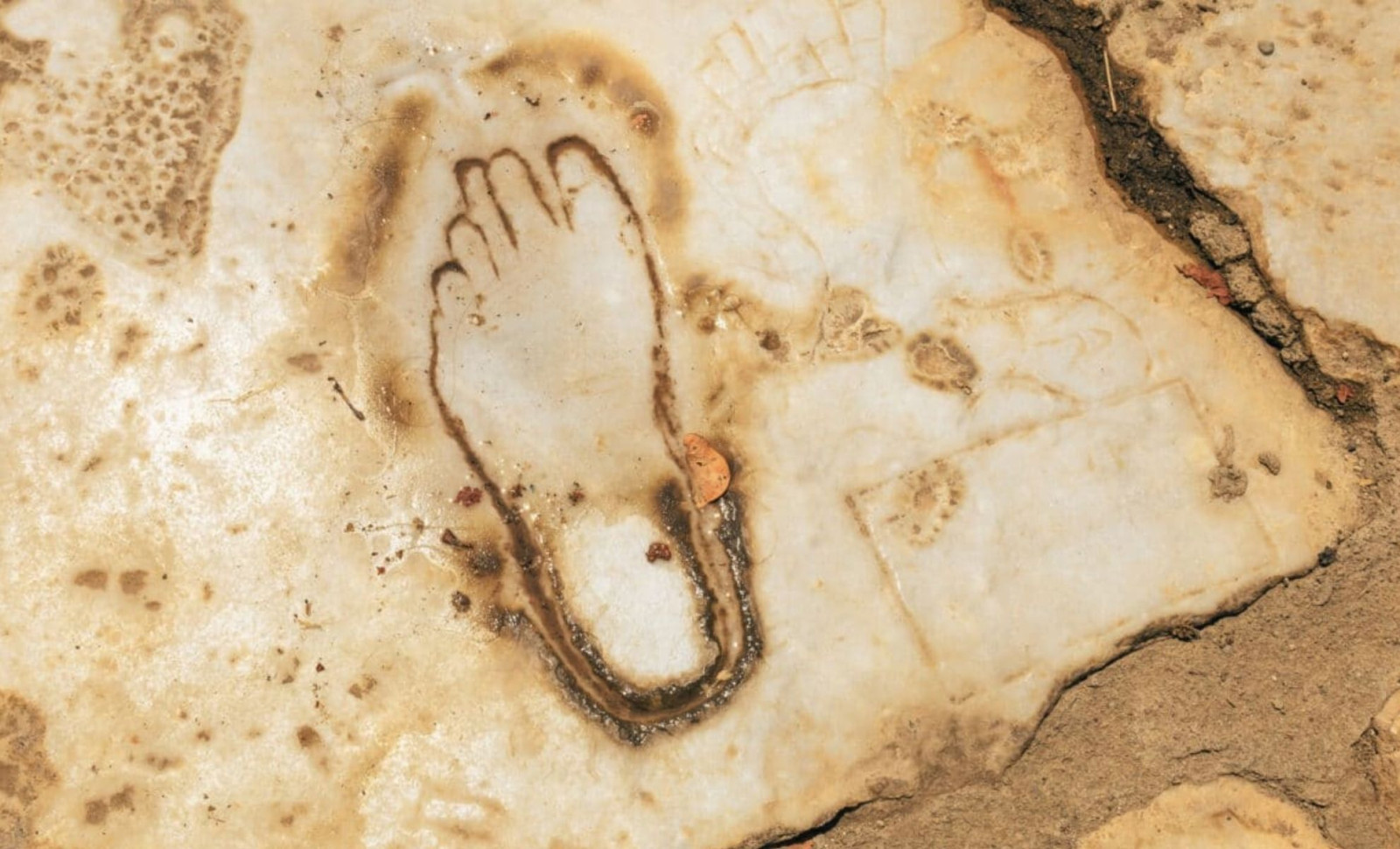
Thousands of ancient footprints etched into exposed Scandinavian rock have puzzled researchers for years. New findings reveal these carvings were more than decorative symbols.
The footprint-shaped engravings, called podomorphs, are widespread across Norway, Denmark, and Sweden. They are part of a wider Nordic Bronze Age rock art tradition dating back approximately 1700 to 500 B.C.E. While depictions of boats, animals, and human forms are frequent, footprints hold a distinctive place in this ancient visual language.
In a recent study led by Fredrik Fahlander from Stockholm University and featured in the Oxford Journal of Archaeology, the carvings were studied from a fresh perspective. Instead of inquiring about their symbolism, the focus was placed on how these footprints were arranged and interacted with their natural surroundings.

Footprints Crafted to Imitate Actual Tracks
Although footprints make up a modest fraction of Nordic Bronze Age rock carvings, they are notable for their detailed execution. Researchers discovered that many podomorphs include carefully chiseled elements like cross-straps and features reminiscent of footwear. Some even seem designed to replicate the imprint a foot might leave in soft substances such as sand, snow, or clay.
This intricate craftsmanship stands in sharp contrast to the predominant form of rock art from this era. According to the Oxford Journal of Archaeology, simpler cup marks comprise over 90 percent of the documented engravings in the region.
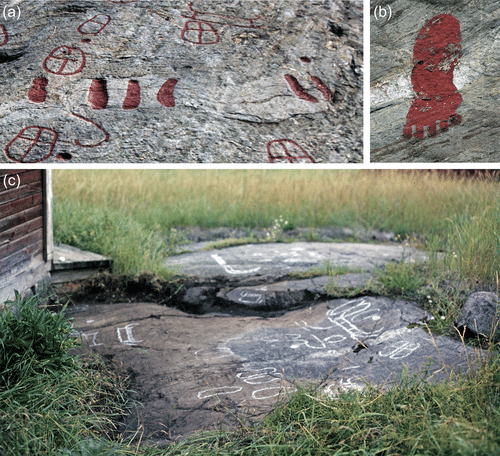
In contrast, these footprints exhibit notable diversity. No two carvings are identical. Variations in dimensions, shapes, and intricate details led Fredrik Fahlander to suggest these engravings likely represented individual people rather than generic symbols.
“These factors taken together are understandable if, as proposed, the Bronze Age podomorphs in general are linked to specific individuals. Another aspect is that the majority of sites only include single podomorphs or odd numbers of them,” he wrote in the study.
The distinctiveness of each marking implies that immortalizing someone’s footprint in stone may have held special significance, converting a fleeting impression into a lasting monument.
Why the Footprints Are Near Water Sources
Where the footprints were placed proved as insightful as their design. Fahlander’s investigation revealed that podomorphs were often etched onto specific rock features like mineral veins and natural hollows that collect water. Numerous carvings appear in spots where rain or wave spray would frequently pass over the surface.
The research suggests this connection was deliberate. Water was not just a background element but actively enhanced the experience of the carvings.

Some footprints are carved into vividly colored mineral deposits, making them more prominent against the underlying rock. Paired with flowing water, these placements would have emphasized the images more effectively than ordinary rock surfaces.
Fahlander hypothesizes that water may have enhanced the carvings' significance, transforming them from static impressions into dynamic elements interacting with rain, waves, and seasonal shifts.
Dual Footprints Suggest Social Connections
The layout of podomorphs also offers insights into their societal meaning. Most appear as either solitary footprints or uneven pairs. When two carvings appear together, they rarely match; one may be larger, shaped differently, or include more elaborate details.
Moreover, evidence shows that some paired impressions were made at different times. In a few instances, a second footprint seems to have been added to an already existing one instead of being created simultaneously.
Fahlander interprets these distinctions as signs of multiple contributors. The carvings may represent two individuals embedding their footprints side by side to symbolize a relationship.

This practice might have commemorated alliances, friendships, or marriages. Regardless of the exact purpose, the meticulous effort invested underscores their importance. As Fahlander remarked:
“The care and energy invested in this practice show the importance of materializing personal prints in stone.”
Additional evidence supports this perspective. Unlike boats, animals, and other typical Bronze Age motifs, podomorphs are absent from bronze artifacts or grave sites. Instead, they appear exclusively on water-exposed bedrock, differentiating them from other carvings and suggesting a unique cultural function within Bronze Age communities.
- Categories:
- Science









0 comments
Sign in to Comment