
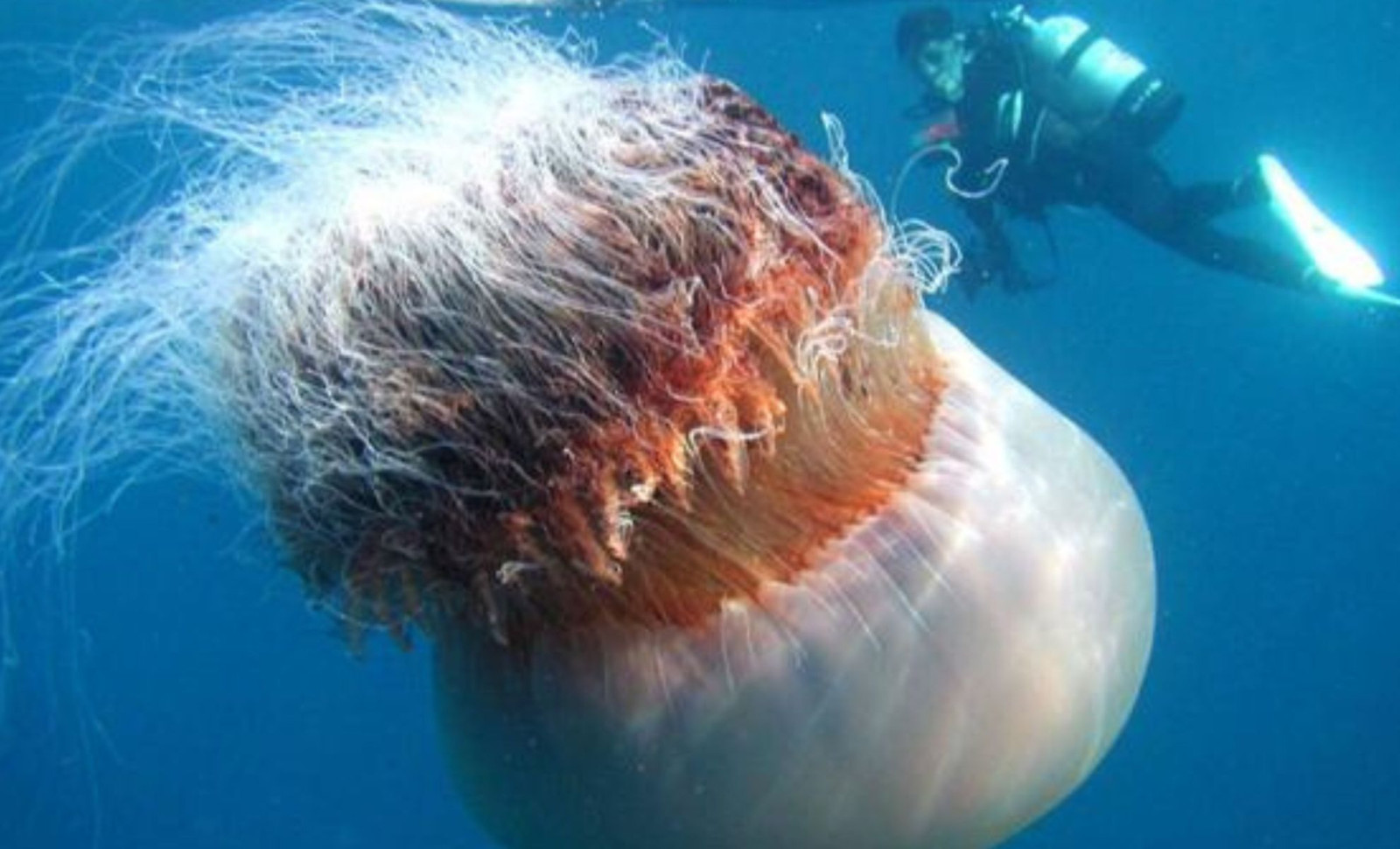
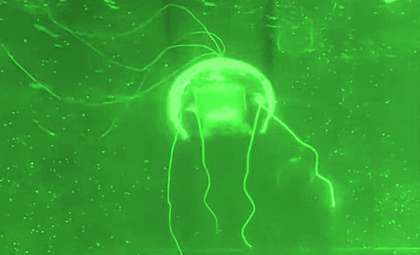
Massive lion’s mane jellyfish (Cyanea capillata) are appearing in large gatherings along the coastline of Massachusetts, particularly near Cape Cod. These towering jellyfish are known for their tentacles, which can extend beyond 100 feet and deliver painful stings that draw the attention of beachgoers.
Among the largest jellyfish species in the world, lion’s mane jellyfish usually reside farther from shore in the Atlantic, Pacific, and Arctic Ocean regions. Their recent increased presence near Massachusetts beaches has caught many off guard, prompting local advisories warning swimmers to stay clear.
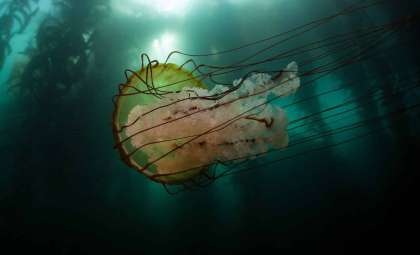
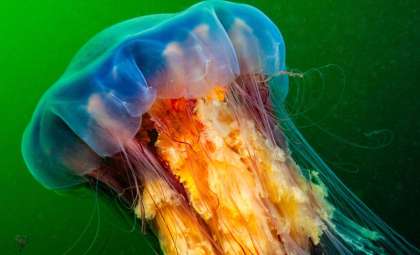
With bells measuring up to three feet in diameter and numerous lengthy tentacles flowing behind, these jellyfish are unmistakable when spotted close to the shore. Rather than actively swimming, lion’s mane jellyfish drift passively with the ocean currents and winds.

Though their enormous size can be intimidating, attacks on humans are seldom fatal. The primary danger comes from their tentacles, often hard to spot underwater, which can inflict painful stings.
Spike in Giant Jellyfish Sightings Along Cape Cod
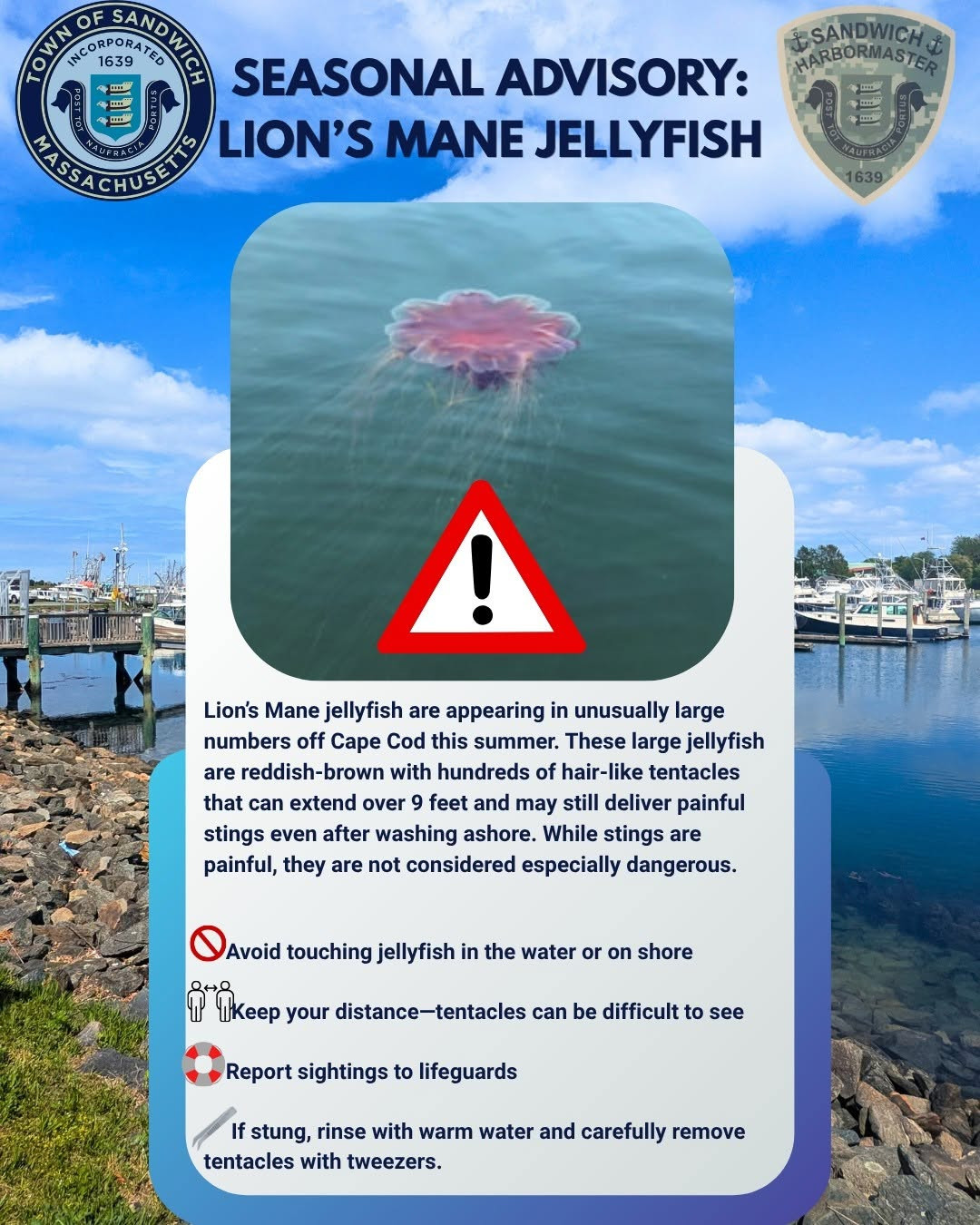
The number of observed lion’s mane jellyfish around Cape Cod has surged during the 2026 season. The Sandwich Marina – Sandwich Harbormaster reports that sightings began in May, peaking sharply by mid-June.
These invertebrates typically appear from late spring into the summer, but the volume this year is notably larger. Previous jellyfish blooms, including one in 2020, show similar patterns.
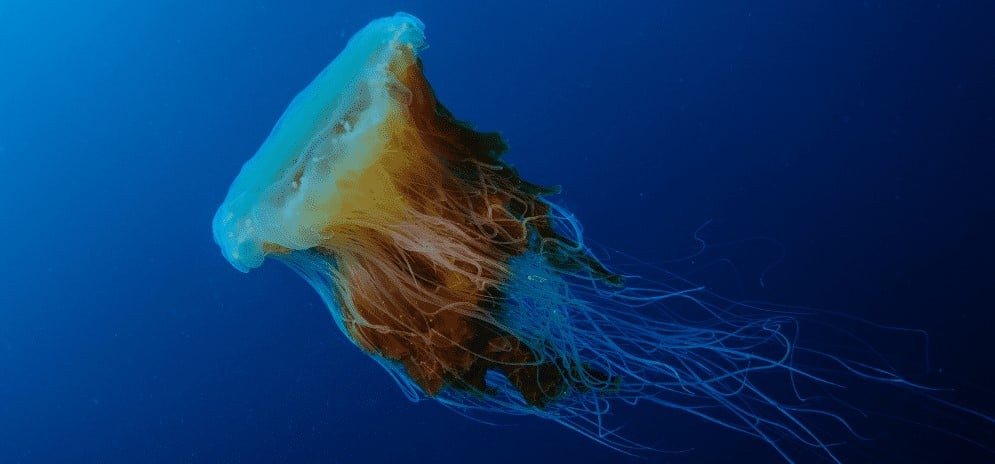
The tendency for these creatures to cluster near shore is a result of their passive movement, carried mainly by winds and currents rather than active swimming.
Factors such as rising water temperatures and shifts in food availability might contribute to the increased gatherings, but the precise causes for this year’s abundance remain unclear.
A Single Enormous Jellyfish Raises Concern Among Swimmers
One particularly massive jellyfish is notable for its extraordinary size, with tentacles that can span a vast area, increasing the chance of accidental encounters for unaware swimmers.
Though the species contains potent toxins, deadly stings are uncommon. Typical reactions to contact include pain and skin irritation. The New England Aquarium issued a caution online, sharing the following advice:
“Keep an eye out: lion’s mane jellies can give a pretty painful sting! If you see one washed up on the beach or floating in the water, it’s best to admire it from a safe distance.”
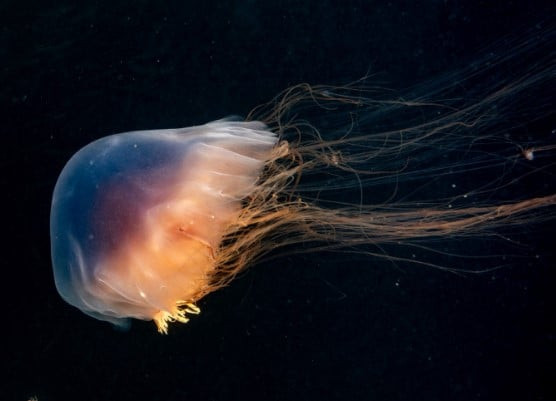
The same warning applies to individuals found stranded on shore, as their tentacles may still cause stings even after the jellyfish has died.
Safety Tips for Encountering Giant Jellyfish
Visitors to Massachusetts beaches should avoid touching lion’s mane jellyfish whether in the sea or on the sand. Observing from a distance is the safest course of action.
If a sting occurs, recommended treatment includes carefully using tweezers to remove remaining tentacles without bare skin contact, rinsing the area with warm water, and applying vinegar to ease pain and irritation.
- Categories:
- News







0 comments
Sign in to Comment