

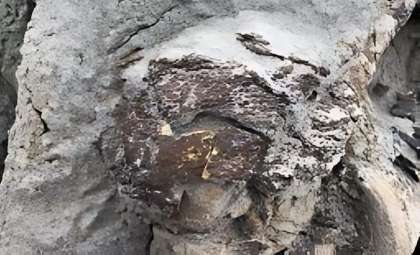
For decades, experts have attempted to reconstruct the appearance of the massive plant-eating dinosaur Diplodocus, but many details remained unclear until now. A recent discovery in Montana has uncovered a fossilized patch of skin that preserves evidence of pigmentation.
This marks the first occasion where melanosomes, the pigment-containing structures in animals, have been identified in a sauropod dinosaur. Led by Tess Gallagher and published in Royal Society Open Science, this research sheds light on the complex coloration patterns of these prehistoric giants.
Melanosomes: The Key to Dinosaur Color
Examination of the Diplodocus skin samples revealed the presence of melanosomes, tiny cellular components responsible for pigmentation. These are common in living birds and mammals, influencing skin and feather colors.

According to Tess Gallagher from the University of Bristol, the exceptional preservation of these structures provides an unprecedented glimpse into the pigmentation mechanisms of an ancient creature.
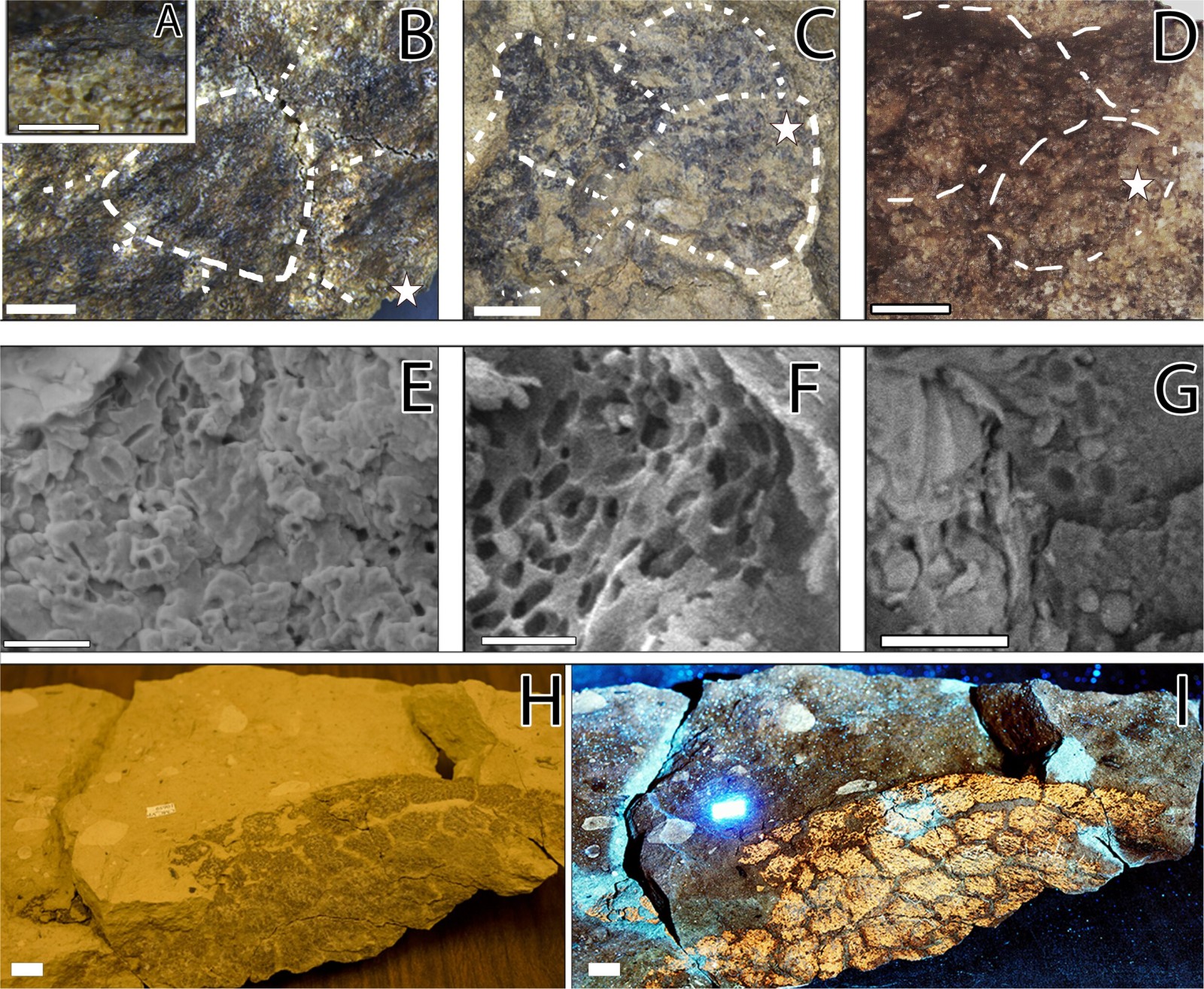
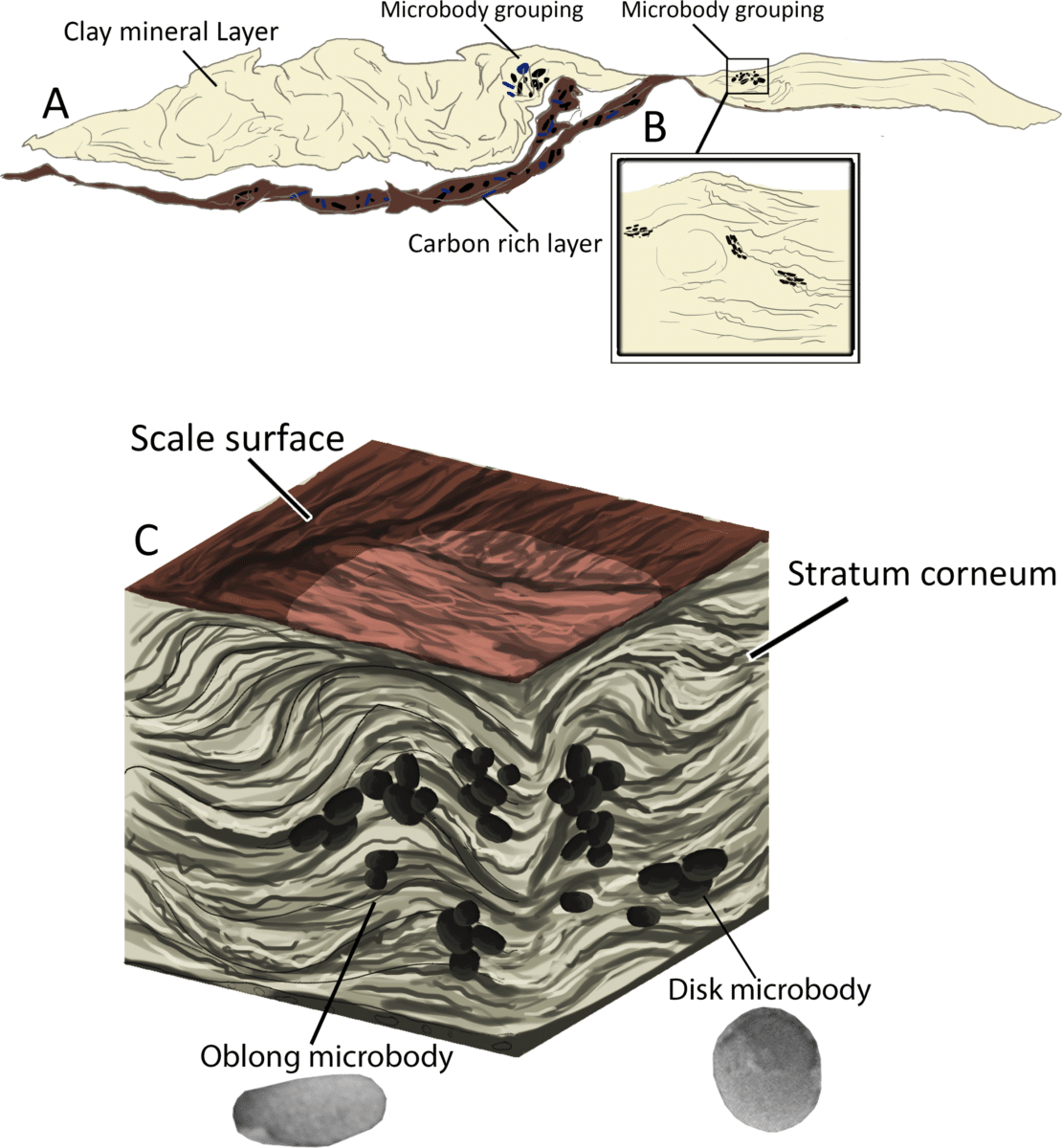
Although melanosomes do not always survive fossilization, the sample studied was preserved well enough to allow a detailed analysis. The published research identified two distinct melanosome shapes: oblong and rod-like. Interestingly, the rod-shaped melanosomes were absent in the fossil molds, raising questions about their role.
Possibility of Iridescence in Diplodocus Skin?
The team noted that disk-shaped melanosomes are generally linked to light reflection and iridescence. However, Gallagher and colleagues clarify that this dinosaur likely did not exhibit iridescent skin. Still, the findings challenge previous assumptions about dinosaur integument.
“However, it should be noted that these disk-shaped microbodies are smaller than platelet melanosomes, the former averaging 349 nm and the latter 1,000 nm,” the study authors explained.
Diplodocus’ Visual Appearance Revealed
What might Diplodocus have looked like? Based on these results, researchers suggest the dinosaur could have exhibited speckled pigmentation across its scales, though the distribution remains uncertain. The skin samples also indicate that Diplodocus possessed multiple scale types.
“While the data in this study are limited to just four specimens of hexagonal scales, making full body color patterning unknown, our results suggest that juvenile sauropods may have possessed diverse and unexpected melanosome morphologies,” the team explained.
This diversity in scale morphology points to a more complex and varied skin pattern than the typically portrayed dull coloration in films and literature. Future research aims to examine other sauropod fossils to identify similar pigment evidence. Gallagher expressed enthusiasm about forthcoming discoveries:
“The next steps for my research are to investigate the cellular anatomy on more sauropod skin outside of Diplodocus,” she said “I can confirm that more exciting discoveries are to come, my last two papers are just the tip of the iceberg!”
- Categories:
- Science







0 comments
Sign in to Comment