
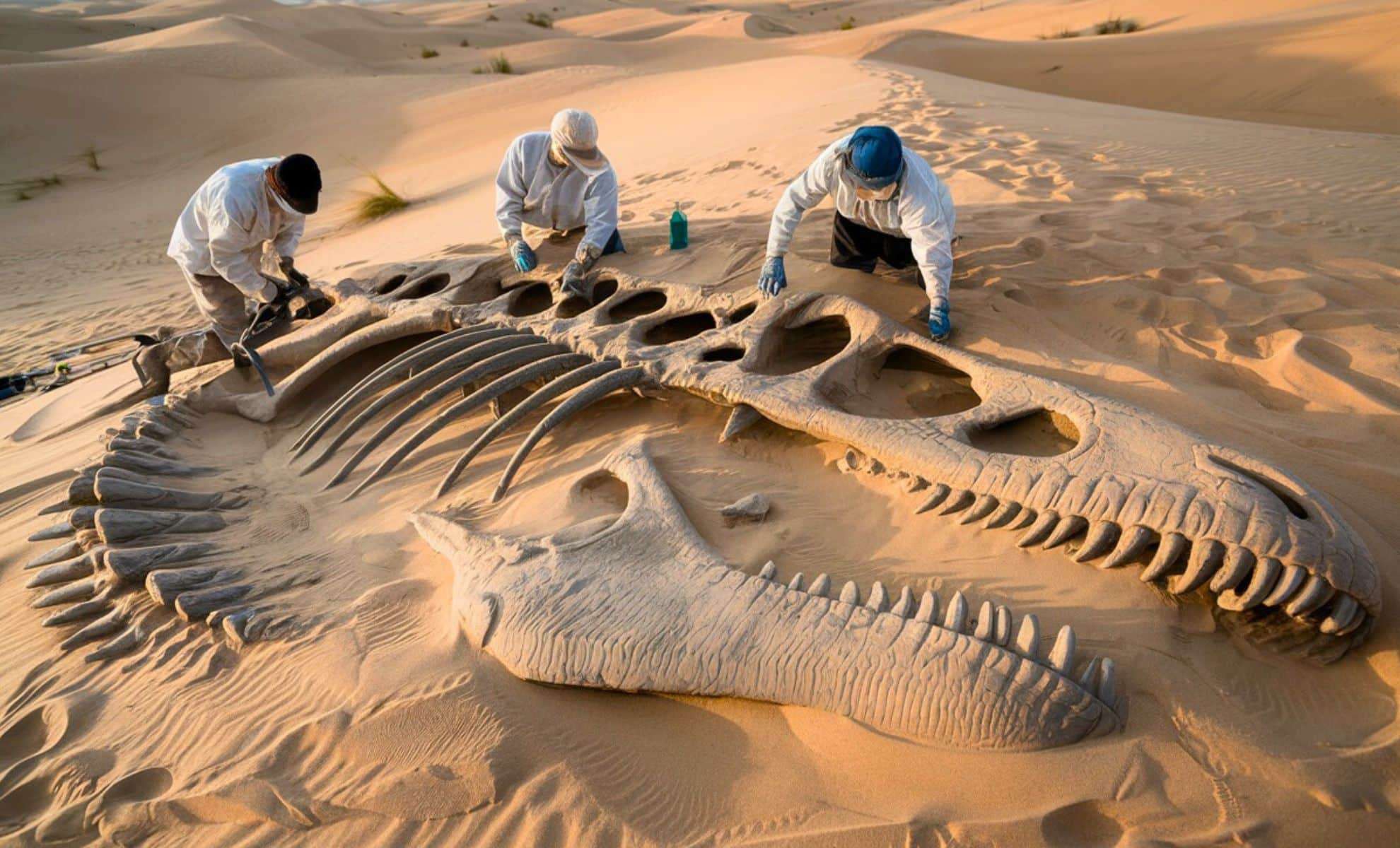
The captivating history of how dinosaurs rose to prominence on Earth has intrigued researchers and enthusiasts alike for years. Recent findings suggest that we might have been searching for their roots in the wrong regions. A pioneering study now proposes that dinosaurs first evolved in the humid equatorial zones—regions that today include the Amazon rainforest, the Congo basin, and the Sahara Desert. This discovery overturns previous beliefs regarding their origin and signals fresh directions for fossil hunting.
Previously, the earliest dinosaur fossils, dating back nearly 230 million years, were uncovered mainly in parts of Argentina, Brazil, and Zimbabwe. Yet, these ancient remains only hint at a deeper, prior evolutionary phase that remains largely hidden.
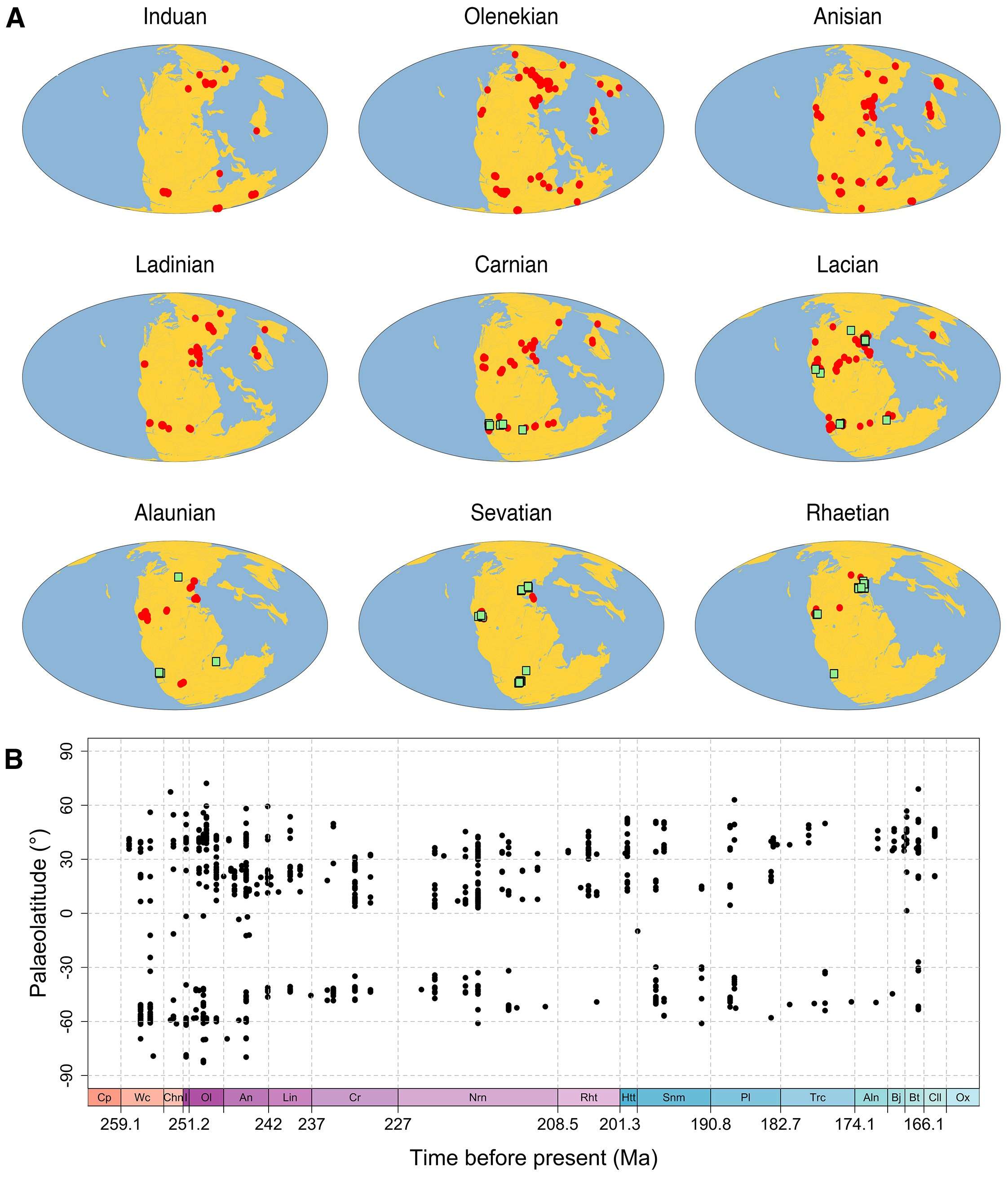
An innovative study featured in Current Biology employs cutting-edge modeling approaches to trace the likely birthplace of dinosaurs, pinpointing the equatorial areas of ancient Gondwana. This research not only reshapes our comprehension of dinosaur ancestry but also emphasizes significant gaps in the fossil record that have concealed early dinosaur history.

Uncovering the Missing Puzzle: Why Early Dinosaur Fossils Are Scarce
The oldest known dinosaur fossils provide only a brief glimpse into a lengthy evolutionary saga. These specimens from South America and Africa reveal dinosaurs were evolving long before these fossils formed. This presents a vital question: where are the remains of their earliest predecessors?
Joel Heath and his team at University College London tackle this issue by viewing fossil absence as missing information rather than evidence that dinosaurs did not exist in certain locations. "Dinosaurs are extensively studied, yet their exact origins remain elusive. The fossil record contains vast voids that cannot simply be trusted at face value," Heath remarks. By integrating fossil data, phylogenetic trees, and paleogeography, they pinpoint the equatorial Gondwanan zones as dinosaurs' cradle.
This viewpoint contests the longstanding idea that dinosaurs first evolved in cooler climates, suggesting instead that their earliest forms thrived in hot, dry landscapes much like modern deserts and savannas. Notably, no fossils from these pioneering dinosaurs have emerged from the Amazon or Central African regions yet — emphasizing the urgent need for extensive paleontological efforts in these largely unexplored areas.
Early Dinosaur Ecosystems: A Hot and Fierce Battleground
During the Late Triassic era, when dinosaurs first appeared, Earth hosted a diverse reptilian community. Dinosaurs were not yet the dominant force but coexisted with formidable creatures like pseudosuchians—crocodile-like reptiles stretching up to 10 meters (33 feet)—and pterosaurs, the pioneering vertebrates capable of powered flight.
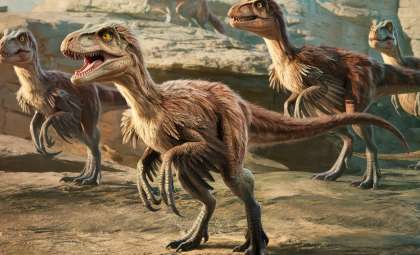
Within this competitive environment, early dinosaurs were small-bodied, nimble, and probably omnivorous. Most were comparable to chickens or medium-sized dogs in size, bipedal for hunting or scavenging. Their compact build and flexible diet likely played a key role in surviving the tough, arid equatorial habitats of Gondwana.
Theirs was not an overnight ascent: for millions of years, dinosaurs were overshadowed by other reptilian groups. Around 201 million years ago, massive volcanic events triggered the end-Triassic extinction, eliminating many competitors and creating open ecological niches. This event set the stage for dinosaurs to radiate extensively, eventually commanding global ecosystems for 135 million years.
Adapting to Climate: Keys to Dinosaur Global Success
A standout finding from the research highlights how early dinosaurs adapted to diverse climates. Professor Philip Mannion, a senior author, states, "Our data indicate early dinosaurs were well suited for hot, dry conditions." This trait is pronounced in sauropods, including titans like Brontosaurus and Diplodocus, which remained inhabitants of warm, low-latitude zones.
Conversely, theropods (such as T. rex and avian descendants) and ornithischians (like stegosaurs and Triceratops) evolved mechanisms for internal heat regulation. This biological shift allowed them to thrive in colder climates, including polar territories by the Jurassic period. Such adaptations arguably were crucial drivers of their enduring evolutionary triumph.
The study also advances our understanding of dinosaur phylogeny. Comparing various evolutionary trees, it supports the notion that silesaurids—once seen as distant relatives—might actually be direct ancestors of ornithischians. This breakthrough fills important gaps and offers fresh perspectives on dinosaur diversification.
Looking Ahead: New Paths for Dinosaur Exploration
Though the findings are compelling, direct fossil proof of dinosaurs’ earliest origins in equatorial Gondwana is still missing. Vast, dense rainforests of the Amazon and the ever-shifting sands of the Sahara remain poorly studied fossil frontiers, promising rich discoveries ahead. If these regions truly hosted the dawn of dinosaurs, their first ancestors might still lie buried, awaiting unearthing.
The full study is available in Current Biology.
- Categories:
- Science








0 comments
Sign in to Comment