
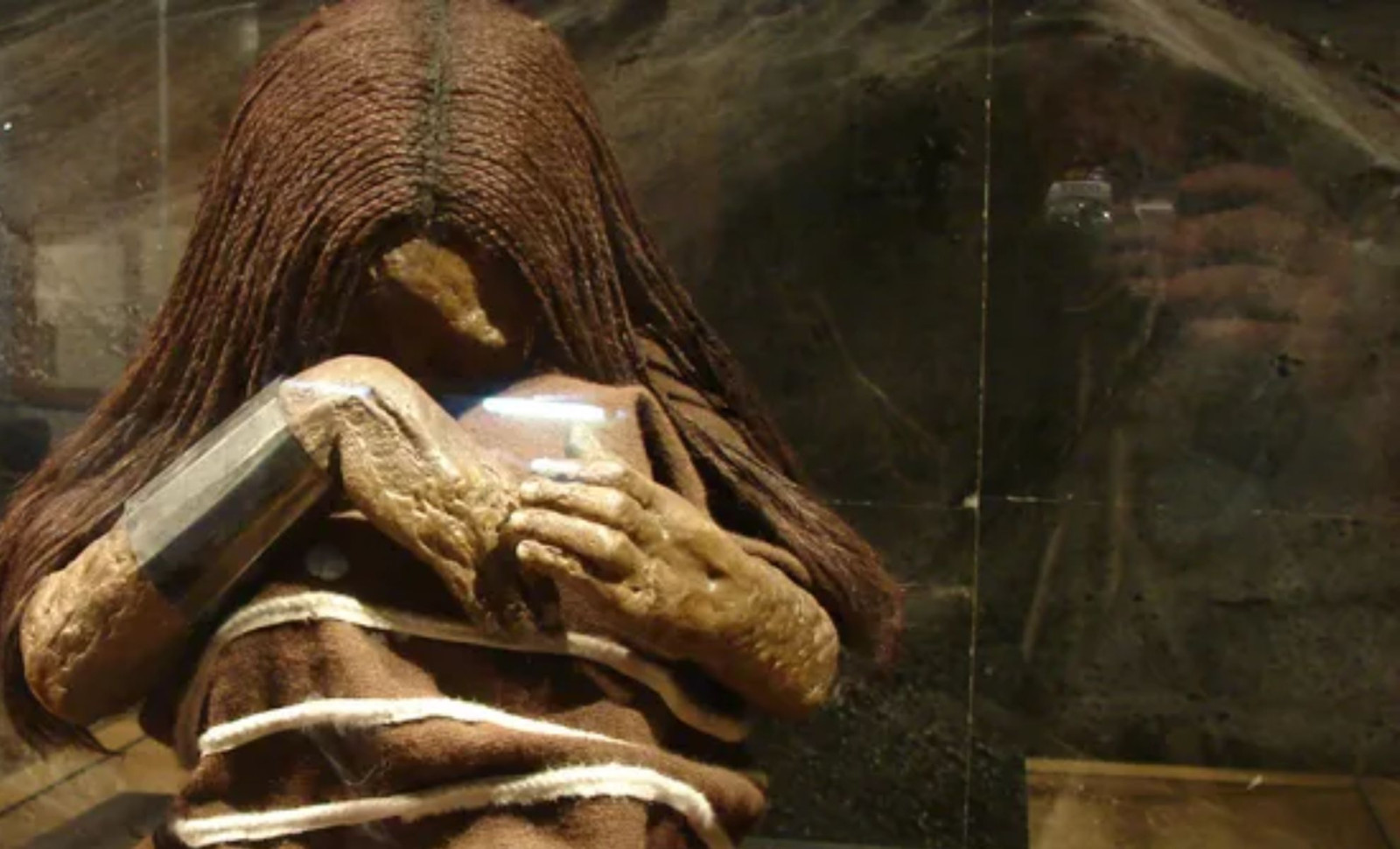
Recent investigations have revolutionized how archaeologists interpret the deaths of three renowned Inca child mummies uncovered in the Andes Mountains. These fresh insights challenge prior assumptions about their final moments.
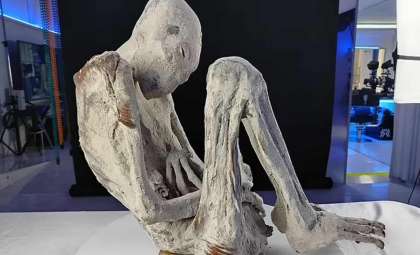
Discovered in 1954, the remains of the Boy of El Plomo and two girls from Cerro Esmeralda in present-day Chile have been iconic examples of the Capacocha ritual, where the Inca sacrificed selected children as part of sacred ceremonies.
For years, scholars believed the Boy of El Plomo, approximately 8 years old, died due to frigid mountain conditions. Meanwhile, the two girls, about 9 and 18 years old, were assumed to have been strangled prior to burial.

A new publication in Science Advances revisited these theories using advanced CT imaging, forensic examination, radiocarbon testing, and chemical hair analysis.
Fresh Clues About the El Plomo Boy’s Demise
The most notable revision concerns the Boy of El Plomo, whose mummified remains were found extremely high in the Andes, over 17,700 feet above sea level.
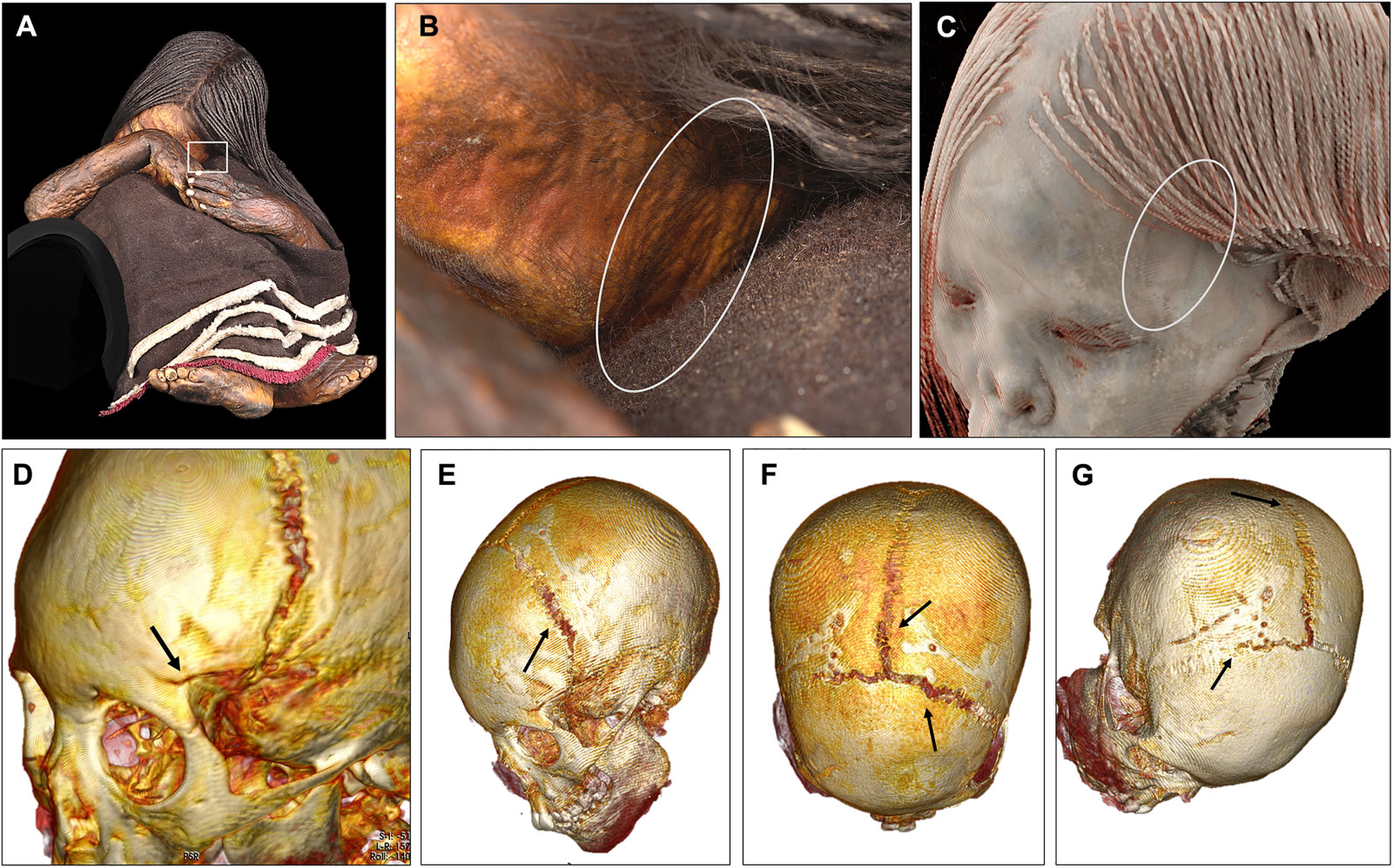
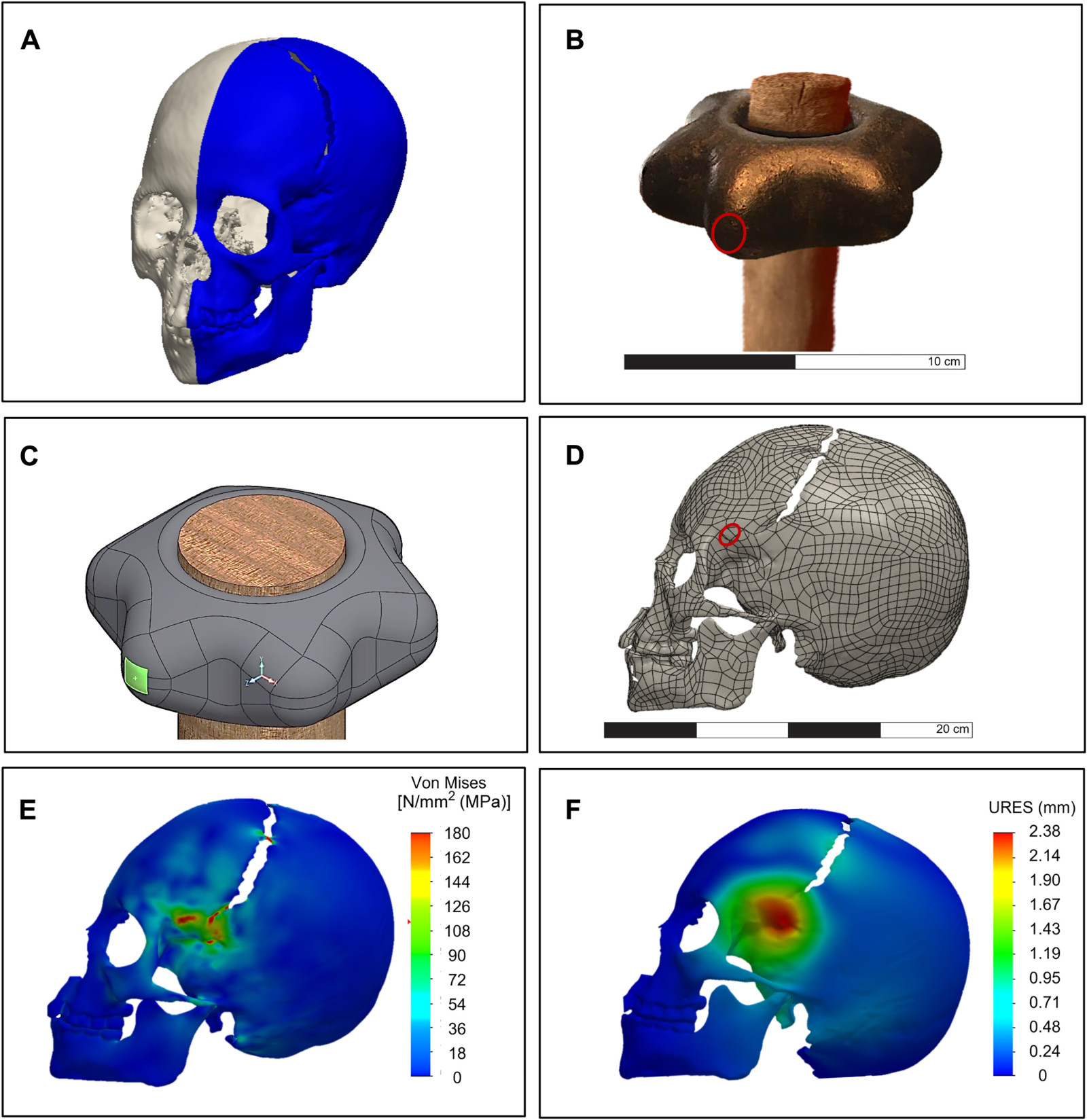
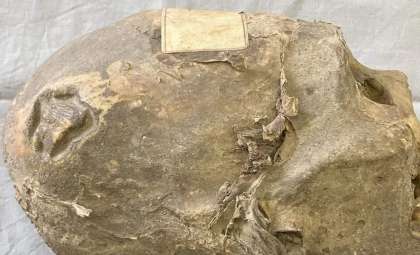
Previously, many believed he slowly succumbed to hypothermia after being placed on the mountain for a ritual. However, the new research indicates he may have died from a heavy blow to the head.
Scientists propose this injury could have been inflicted by a star-shaped ceremonial mace, a ritualistic weapon possibly involved in the sacrificial practices. The two girls from Cerro Esmeralda similarly altered researchers’ interpretations. Marks near their necks, once seen as strangulation evidence, seem to have formed post-mortem, probably due to the tight burial wrappings.
While the exact cause of death for the girls remains unknown, strangulation now appears unlikely.
A Lengthy Final Journey Across the Inca Empire
The new study also reshapes the understanding of the Capacocha ritual’s logistics. Rather than a straightforward trip to burial sites, these children likely undertook extensive travel across the Inca empire before their deaths.
Analyzing chemical isotopes retained in their hair allowed researchers to trace lifestyle changes in the months leading to sacrifice.
The Boy of El Plomo is believed to have journeyed approximately 1,700 miles over nine months before the ritual ended his life. Such journeys were integral to ceremonies where children served as mediators between humans and deities.
“It was an extended ritual process that began months earlier and involved mobility, dietary changes, the participation of different communities, and the creation of sacred landscapes,” said Verónica Silva-Pinto, an archaeologist at Diego Portales University in Santiago.
Modern Techniques Unlock New Insights into Inca Rituals
This cutting-edge research highlights how archaeological interpretations can evolve with improved methods. Utilizing CT scanning, forensic science, and chemical assessments, scientists have reexamined mummies first studied over seven decades ago.
Nevertheless, some uncertainties remain, particularly regarding how precisely chemical signatures reveal the children’s travels. This work has sparked renewed debate on the limits of reconstructing detailed life histories from millennia-old remains.
- Categories:
- News






0 comments
Sign in to Comment