
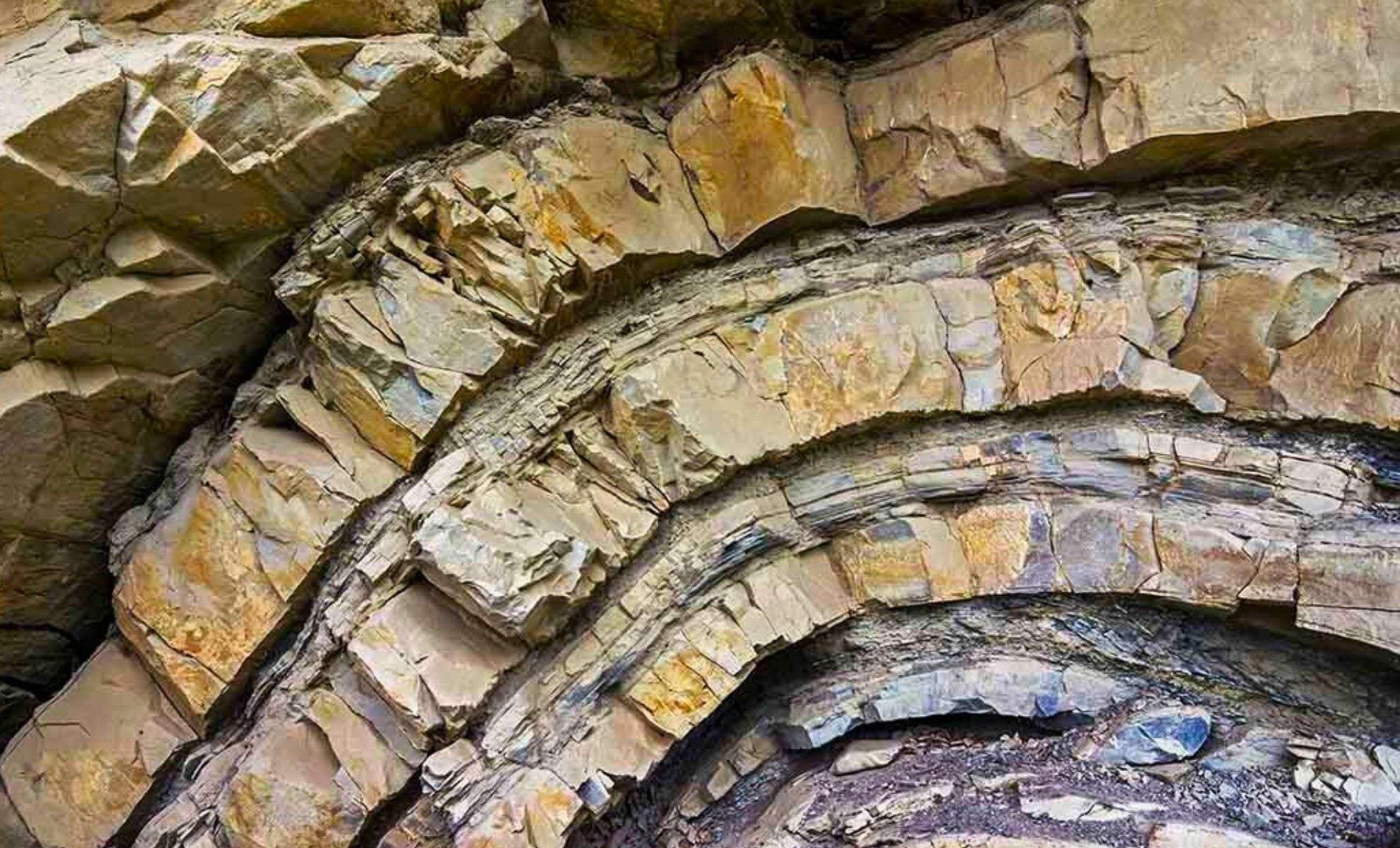
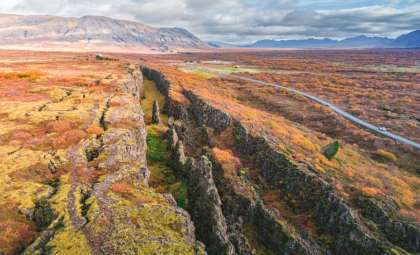
In arid regions across Africa and the Middle East, researchers have identified peculiar minuscule channels etched into stone that are believed to be the work of living organisms. These mysterious micro-tunnels, uncovered in locations such as Namibia, Saudi Arabia, and Oman, have left scientists intrigued due to their unique formation.
Exploring Desert Enigmas
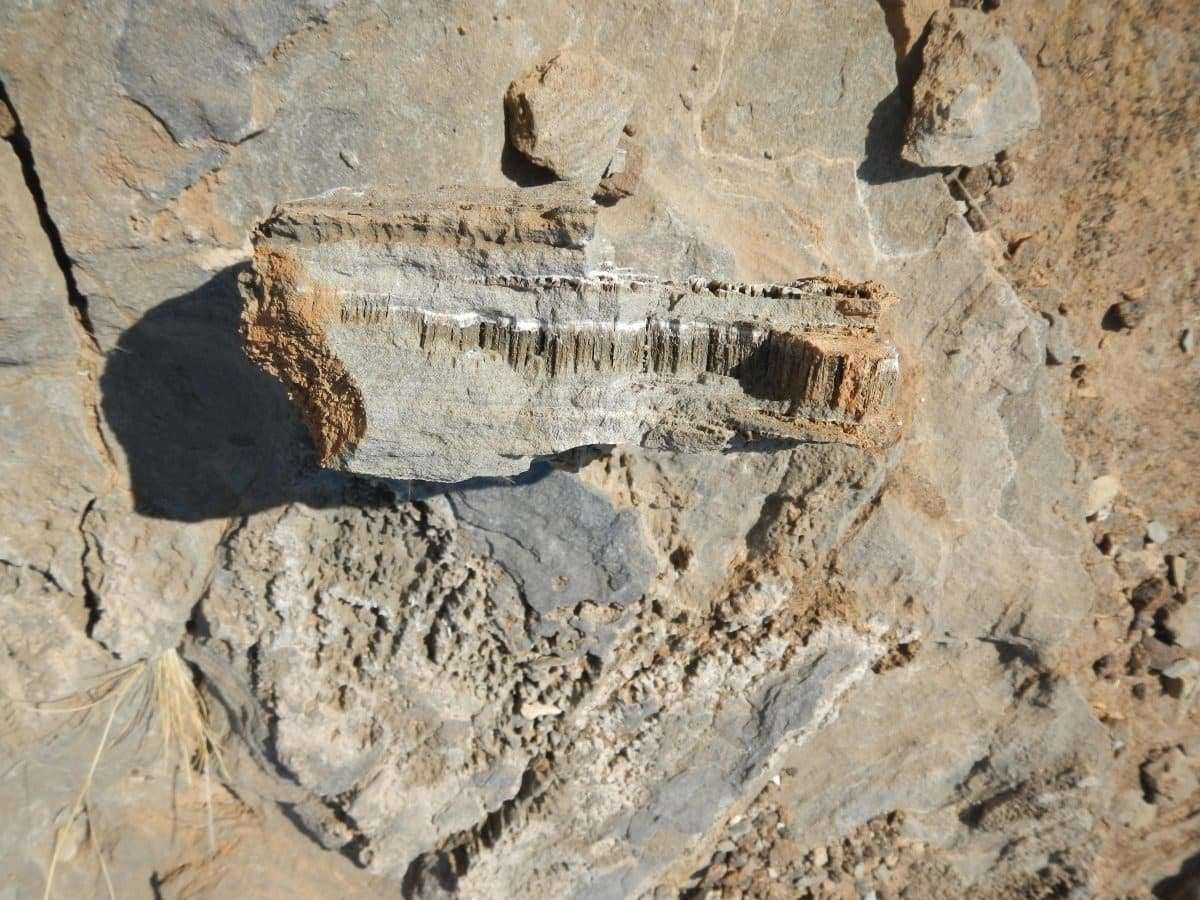
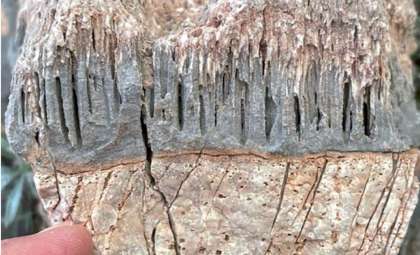
Geologist Cees Passchier along with his team stumbled upon these fine, parallel channels cutting through limestone and marble in desert landscapes.
While the initial discovery was made in Namibia over a decade ago, more recent finds in Oman and Saudi Arabia have broadened the phenomenon’s geographic footprint.

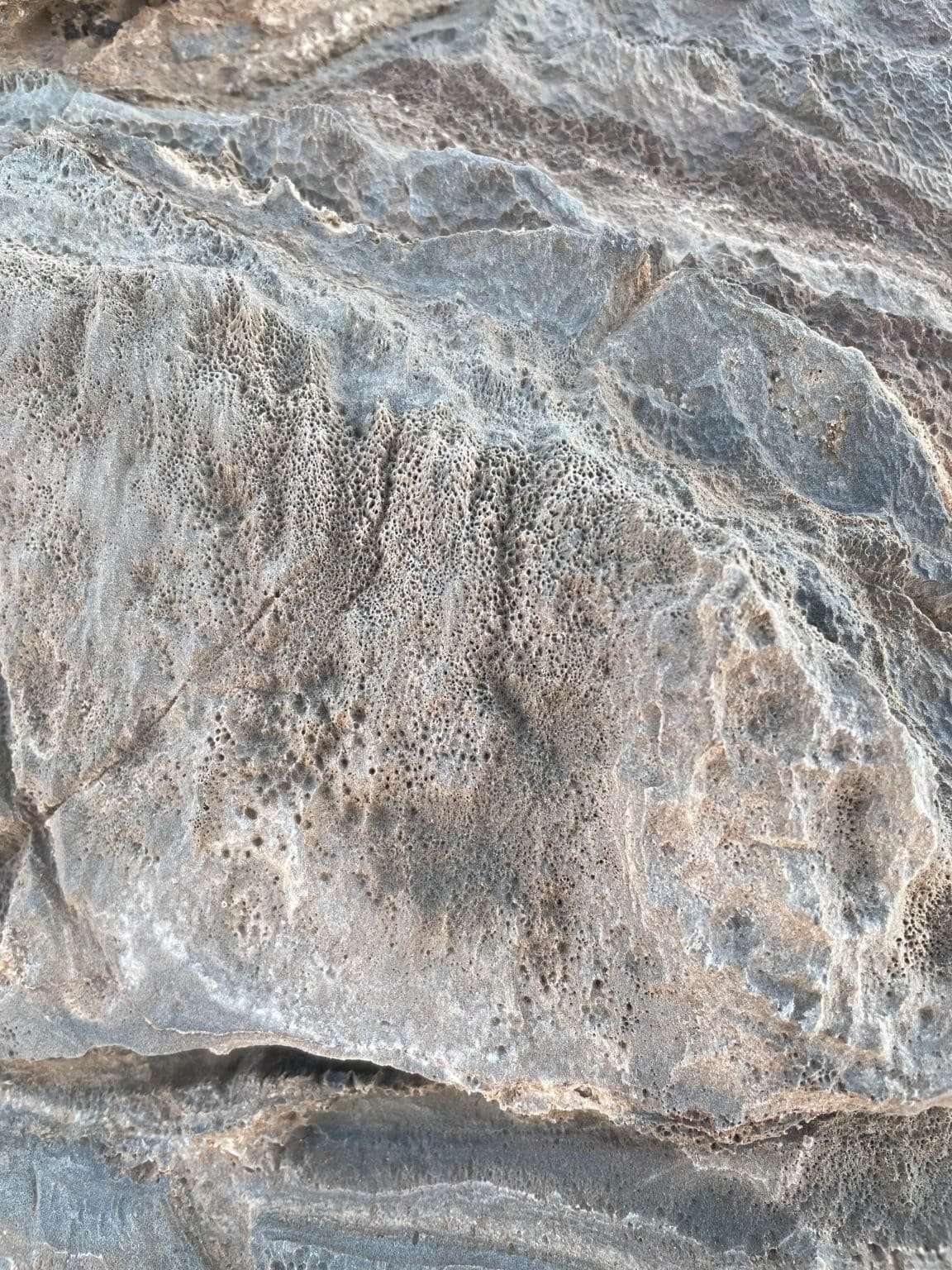
Measuring about half a millimeter in diameter and extending up to three centimeters, these formations appear to transcend simple mineral processes.
“These tubes are clearly not the result of a geological process,” Passchier explained.
Detailed analysis revealed these voids to be filled with finely powdered calcium carbonate, pointing to microbial activity tunneling through the rock to access mineral nutrients.
This finding is notable because no known microbes have been observed producing such structures, raising questions about whether the creators are extinct or surviving concealed in these harsh environments.
Dating and Origins of the Micro-Tunnels
Researchers estimate these intricate structures to be between one and two million years old.
Finding them within marble and limestone—rock types regarded as questionable habitats for life—challenges established ideas about life’s durability.
“It’s likely these tunnels formed in a period with more moisture,” Passchier noted, indicating the organisms might have thrived during a historical climate phase characterized by greater humidity. Today’s surrounding deserts are dry and forbidding.
The exceptional finesse of these burrows suggests microscopic creators, though the lack of detectable DNA or proteins complicates precise identification.
Regardless, this discovery pushes the envelope on understanding life’s persistence in extreme and ostensibly barren terrains where surface organisms are absent.
Rock-Dwelling Lifeforms and Their Environmental Impact
The creators of these tunnels are hypothesized to be endolithic microorganisms — tiny lifeforms that inhabit and derive energy from inside rocks.
Various microbes, including bacteria and fungi, are known to endure and flourish in extreme habitats where most life cannot survive.
Passchier’s team suggests that these organisms may have contributed significantly to Earth's long-term carbon cycle.
By dissolving rock and releasing carbon dioxide, they could have influenced atmospheric CO2 levels over geological timescales.
The researcher stresses the need for ongoing studies to conclusively identify these enigmatic microbes and determine whether they represent a novel form of life.
Understanding such resilient organisms has important implications for astrobiology, enhancing our ability to recognize possible life in similarly extreme environments beyond Earth.
Reference: “Subfossil Fracture-Related Euendolithic Micro-burrows in Marble and Limestone” by Cees W. Passchier, Trudy M. Wassenaar, Nora Groschopf, Anne Jantschke and Regina Mertz-Kraus, 27 February 2025, Geomicrobiology Journal. DOI: 10.1080/01490451.2025.2467417
- Categories:
- Science






0 comments
Sign in to Comment