
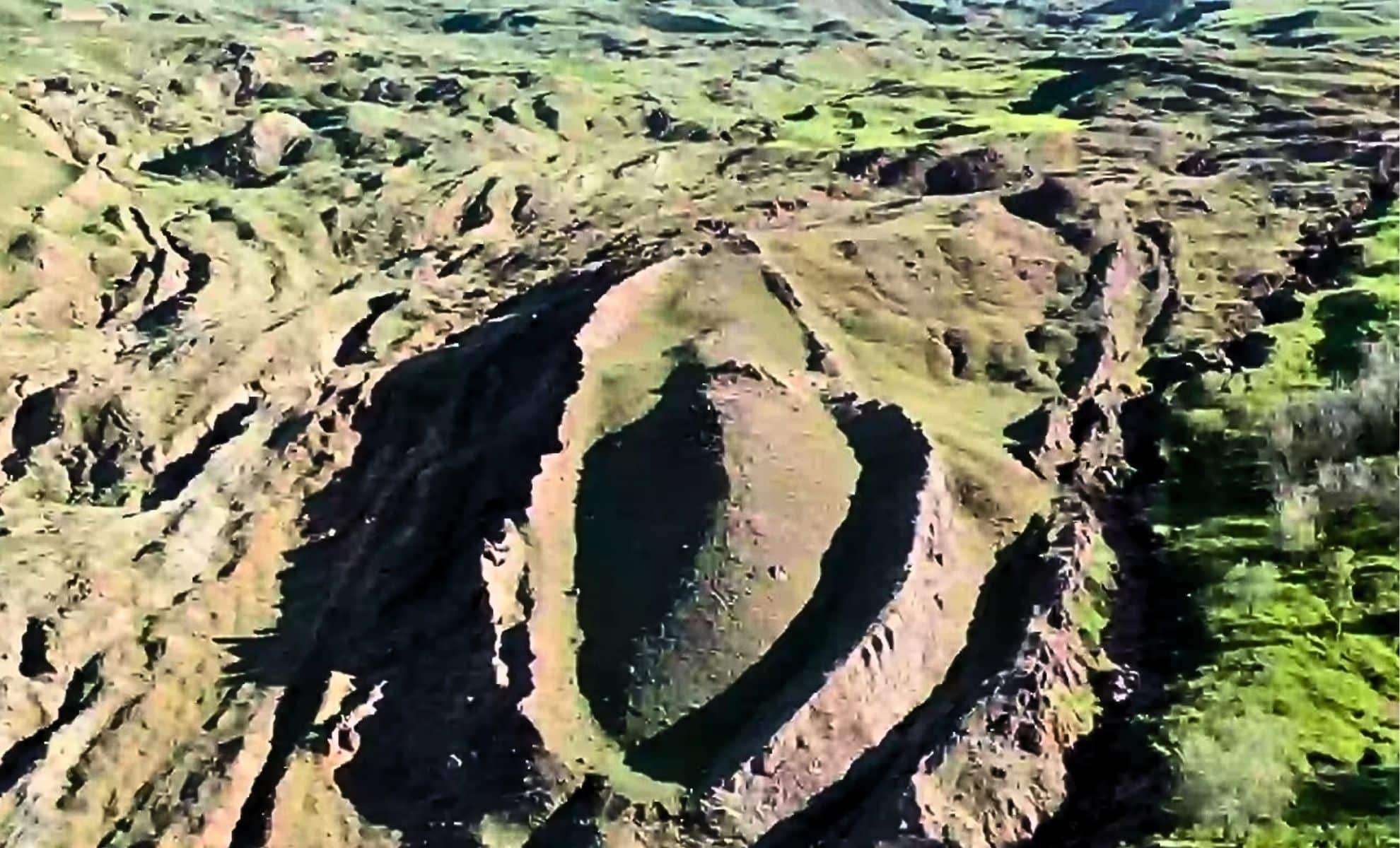
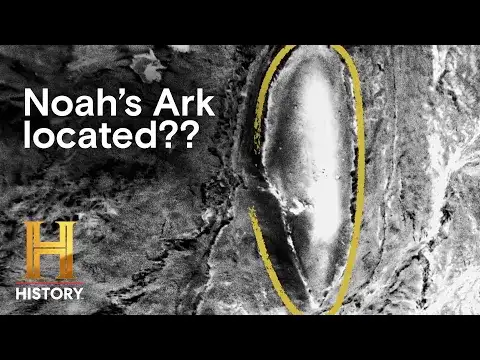
Researchers in Turkey have discovered intriguing signs that may lend credibility to one of history’s most enduring legends: the story of Noah’s Ark.
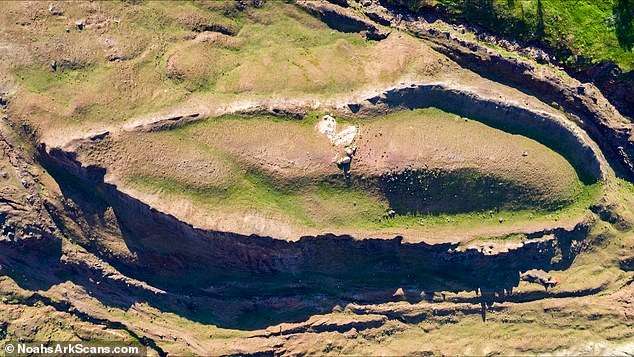
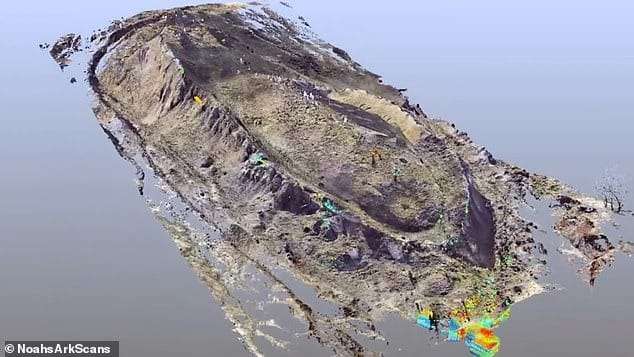
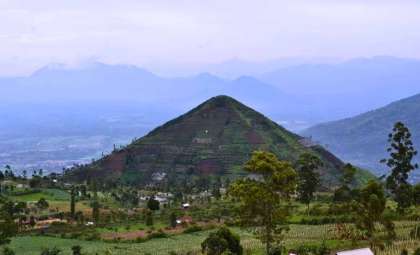
As reported by Dailymail, a scientific team studying soil and rock from the Durupinar formation—a 538-foot geological feature close to the Turkey-Iran border—has identified marine deposits, clay substances, and even remains of sea life, reigniting discussion around the biblical flood narrative.
The Durupinar location has long been a subject of debate, with some experts suggesting its form and measurements correlate with descriptions from ancient scriptures. It wasn’t until recent laboratory investigations in Istanbul that researchers confirmed the presence of organic matter typical of a region once submerged under water.

Among the striking findings are mollusc fossils, hinting that what is now rugged terrain might have been underwater in the past. If the ark from the biblical tale existed, even small creatures could have been preserved, making these discoveries especially noteworthy.
A major obstacle in validating Noah’s Ark scientifically is establishing a timeline consistent with historical accounts. The Book of Genesis places the Great Flood around 3300 BC.
Recent dating of the Durupinar samples points to an age ranging from 3500 to 5000 years ago, corresponding with the Chalcolithic era, when early societies were advancing in technology and settlement-building.
This chronology supports the idea that the biblical flood story might stem from genuine catastrophic occurrences like large-scale flooding or climatic upheaval. Adding to the intrigue, scholars re-examined an ancient Babylonian clay tablet housed at the British Museum.
This artifact features a Mesopotamian epic telling of a man—possibly Noah—who constructed a large vessel to protect life from a divine deluge. Some historians interpret this as an independent record of the same event, predating the Old Testament.
The tablet’s engravings may represent a map illustrating Mesopotamian creation myths. If validated, this connection would further link ancient mythology with the geological data from Turkey.
Dr. Faruk Kaya, lead investigator, noted that while these findings don’t conclusively confirm the ark’s existence, they bolster the possibility that a major flood event once engulfed this region.
“According to the initial results, it’s believed there were human activities in this region since the Chalcolithic period,” he explained.
Future studies will extend to the nearby Cudi and Ararat mountains, areas also historically linked to Noah’s Ark, aiming to uncover additional proof that might clarify whether this biblical narrative reflects an actual historical disaster.
Although critics maintain that the Durupinar formation results from natural geological forces, these fresh insights challenge prevailing views and sustain interest in the search for Noah’s Ark.
- Categories:
- Science








0 comments
Sign in to Comment