
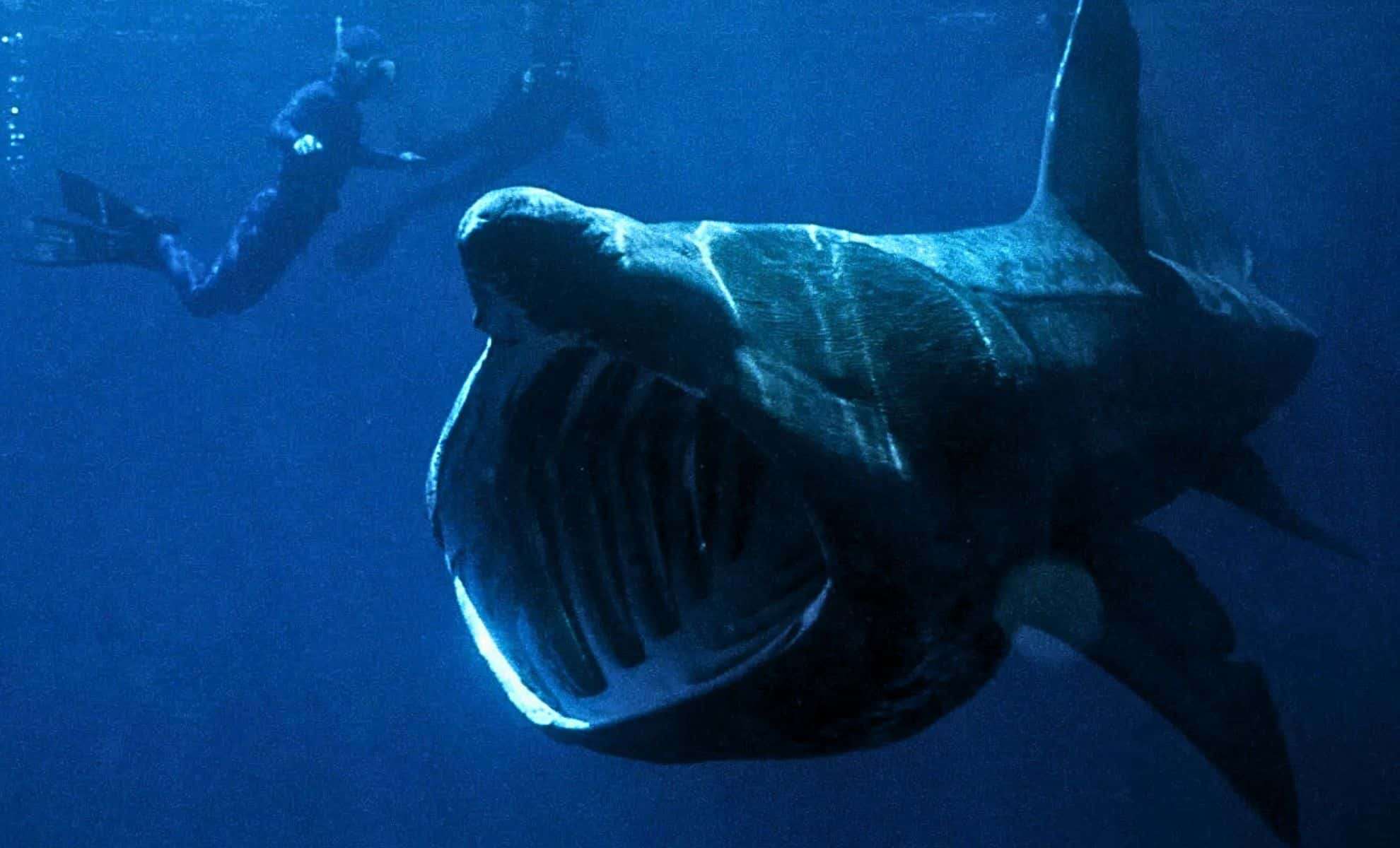
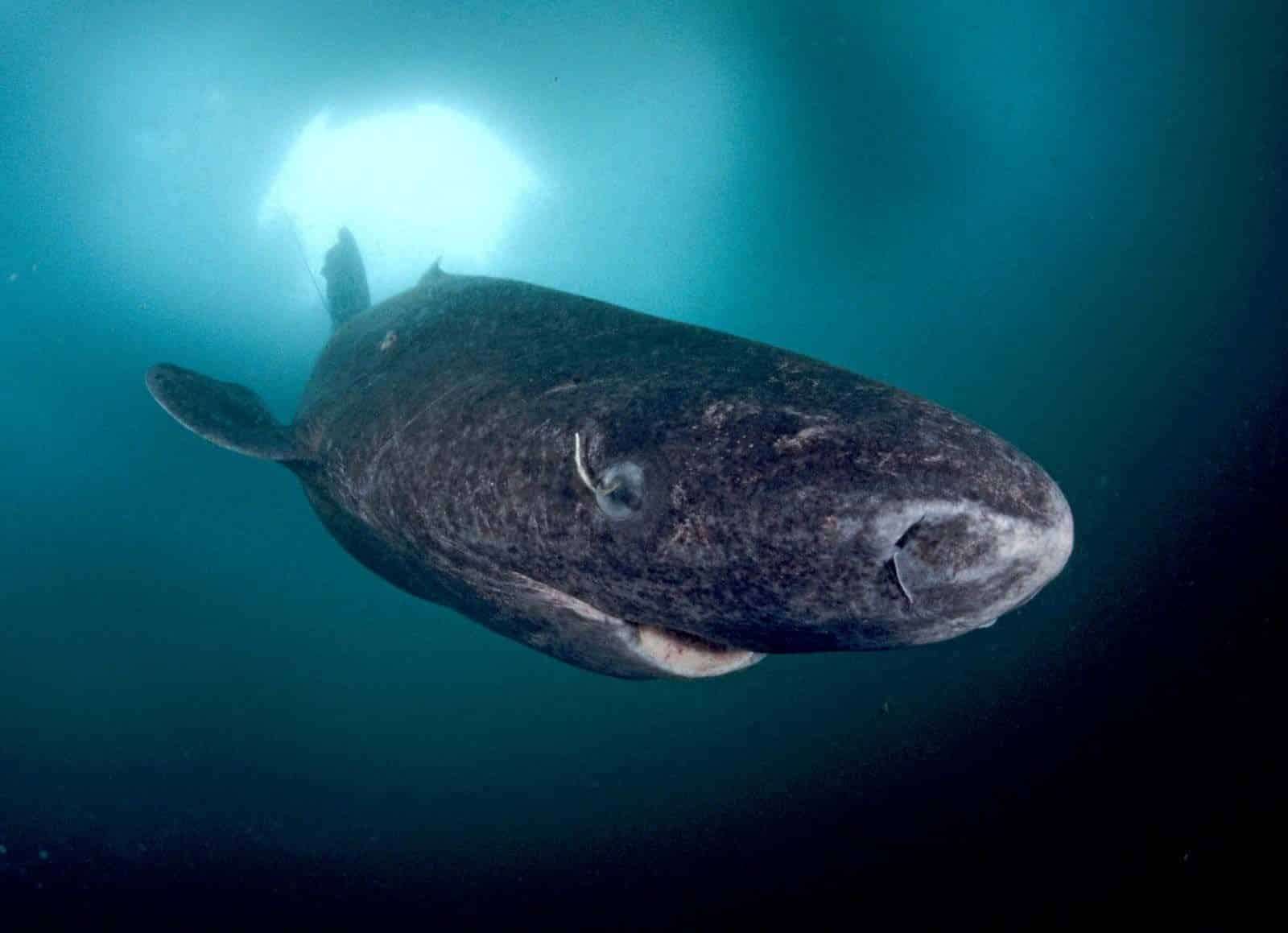
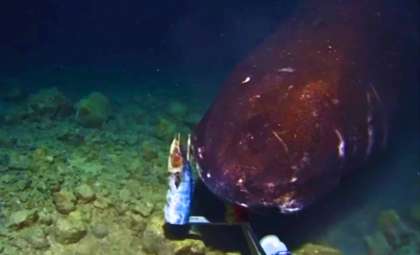
Beneath the frozen surface of the North Atlantic and Arctic seas, a fascinating predator moves quietly through the depths. The Greenland shark stands out as one of the Earth’s longest-living vertebrates, astonishing researchers with lifespans that stretch over hundreds of years. Some living sharks might have coexisted with figures from the time of Shakespeare.
New genetic research is shedding light on how these elusive creatures achieve such extraordinary lifespans, revealing insights that could inform future efforts to slow aging in humans.
Endurance in the Depths
This species grows at a remarkably gradual pace—only about 1 cm annually—and can reach lengths of up to 6 meters. Their longevity is even more exceptional, with certain individuals estimated to surpass 350 years in age.

In 2016, by applying radiocarbon dating techniques to the eye lenses of these sharks, scientists discovered they might live for almost 400 years. This finding established them as the longest-living vertebrates known to science, prompting investigation into what underlies their longevity.
Decoding the Greenland Shark Genome
Researchers from Germany have recently mapped 92% of the Greenland shark’s genome, a significant step toward understanding the biological foundations of their exceptional lifespan. This milestone provides a path to explore DNA maintenance, aging at the cellular level, and genetic adaptations with possible implications for human health.
Dr. Steve Hoffman, leading the study, explained, “Studying the genome enables us to identify accumulated mutations and their role in facilitating an extended lifespan.”
Genomic Features Linked to Longevity
The analysis revealed compelling details: the Greenland shark’s genome is notably large and rich in ‘jumping genes’, mobile DNA segments that can shift locations within the genome.
While these mobile genes often lead to harmful mutations and diseases such as cancer in other species, in the Greenland shark they seem to serve a protective function, supporting genomic stability and enhancing DNA repair mechanisms.
“This shark appears to neutralize the damaging effects of these mobile genes, perhaps even leveraging them to improve genome preservation,” remarked study co-author Dr. Arne Sahm.
This unique genetic setup could explain the species’ slow aging process and resistance to age-related illnesses.
Implications for Human Longevity Research
Although humans differ greatly from Greenland sharks, understanding the biological basis of their extended lifespan may inspire innovative approaches to slow human aging.
Professor Vera Gorbunova, an expert in medicine and biology, suggests, “Identifying genes involved in DNA repair could pave the way for therapies that delay aging and reduce the risk of age-related diseases.”
Reproducing the shark’s ability to effectively mend genetic damage might lead to treatments that enhance cell health, hinder neurodegenerative conditions, and potentially extend human lifespan.
Future Prospects in Aging Science
The Greenland shark’s centuries-spanning existence offers more than a biological oddity—it provides a valuable framework for understanding aging mechanisms.
As ongoing studies delve deeper into this species’ biology, they may unlock methods to boost human healthspan and longevity.
Meanwhile, this ancient sea dweller continues its quiet journey through cold, dark ocean waters, holding mysteries that science is just beginning to explore.
- Categories:
- Science










0 comments
Sign in to Comment