
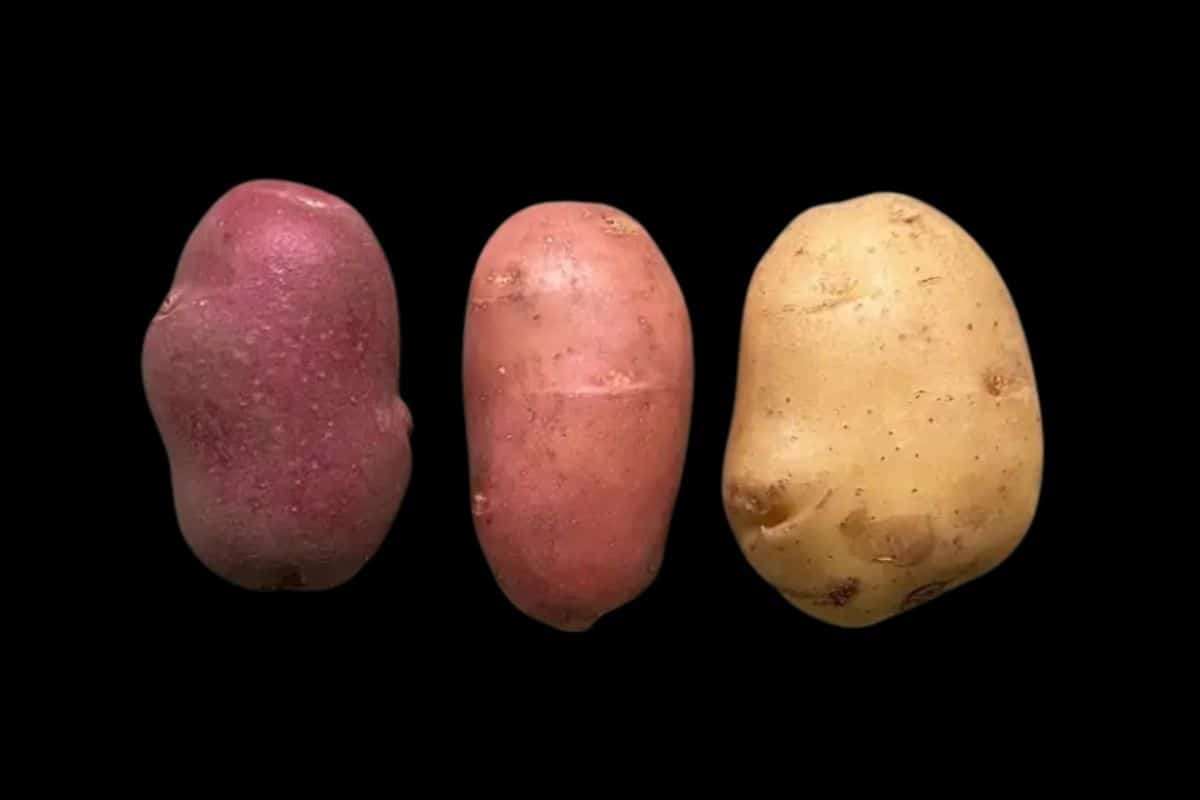
A pioneering Dutch agricultural technology firm has pioneered a reliable approach to create stable graft chimeras, unique plants that combine the outer epidermis of one species with the inner tissue layers of another. This advancement paves the way for developing entirely new vegetable types engineered with desired features like improved pest defense or better drought adaptation.
Advancing Grafting Techniques
Grafting has traditionally allowed farmers to merge beneficial traits from different plant cultivars, but it normally involves manually joining individual plants.
Occasionally, rare graft chimeras occur—a natural phenomenon where a shoot arises composed of the exterior tissue from one plant and the internal tissue of its grafted partner.
Such phenomena were previously noted, exemplified by the Bizzarria citrus hybrid, yet they were unpredictable and accidental events.

KeyGene’s Dependable Methodology
KeyGene, headquartered in the Netherlands, asserts they have perfected a reproducible technique to generate graft chimera plants. Researcher Jeroen Stuurman reports successfully applying the method to varieties such as potatoes, tomatoes, eggplants, and both sweet and chili peppers.
While proprietary details remain guarded, the company has created a potato cultivar featuring the skin of Pimpernel with the interior of Bintje.
This is the first graft chimera to receive plant breeders’ rights, a legal protection akin to intellectual property in horticulture. “This milestone signals we’re ready to advance further,” says Stuurman.
Potential Benefits for Farmers
This technique holds the potential to surpass mere novelty crops. By combining specific surface characteristics from one plant onto another, it could improve resilience to environmental stresses without altering the core genetics.
For instance, trichomes—microscopic hair-like projections covering plant surfaces—play essential roles in pest deterrence by producing repellents or ensnaring insects with sticky secretions.
Such traits are challenging to replicate via traditional breeding or genetic modification due to their complex genetic control. A New Scientist article describes this as a “skin transplant” technique for plants, effectively enabling existing varieties to gain new surface features.
Practical Applications in Agriculture
Given that potatoes are propagated via tubers instead of seeds, incorporating graft chimeras into farming practices may require minimal operational changes.
“There is no need for any change in the way things are grown.” explains Stuurman.
This means growers can adopt these hybrid plants immediately without investing in new technology or altering cultivation techniques.
Scientific Community Applauds Innovation
Plant biology and agricultural experts have recognized this as a significant advance. Charles Melnyk, a researcher at the Swedish University of Agricultural Sciences, called the accomplishment notable: “I’m not aware of such a controlled creation of graft chimeras before, so the breakthrough is substantial.”
Colin Turnbull from Imperial College London notes that graft chimeras typically suffer from instability, often reverting to one parental lineage.
However, he acknowledges KeyGene must have resolved this issue to secure plant breeders’ rights. He comments, “The innovation appears to be in sustaining the ‘skin graft’ to produce a commercially viable plant.”
If verified over time, this technology could diversify produce options and strengthen agriculture’s ability to withstand climate challenges.
- Categories:
- Science











0 comments
Sign in to Comment