

For generations, farming has been closely tied to wide open fields bathed in natural sunlight. But this age-old practice has contributed heavily to environmental damage. Traditional agriculture accounts for an alarming 90% of worldwide deforestation as more and more land is cleared to feed the expanding global population.
A groundbreaking technique known as electro-agriculture is now redefining how we think about plant cultivation. This innovative approach involves a chemical process that operates at an efficiency four times greater than natural photosynthesis, holding immense potential to transform food production.
This novel method replaces sunlight with electrical energy. Utilizing photovoltaic technology, scientists have developed systems that could dramatically cut down the agricultural footprint. In fact, studies indicate that widespread adoption of electro-agriculture in the U.S. could reduce the land used for farming by 94%.

Advancing beyond traditional photosynthesis
Plants typically grow through photosynthesis, which uses sunlight, carbon dioxide (CO2), and water (H2O) to produce glucose. Although this process has sustained life for millions of years, it converts only about 1% of absorbed light energy into usable fuel.
Electro-agriculture seeks to leapfrog this natural system. Instead of relying on sunlight, electricity drives a reaction combining CO2 and water. This produces acetate, a chemical that can nourish plants growing in inert substrates without the need for light.
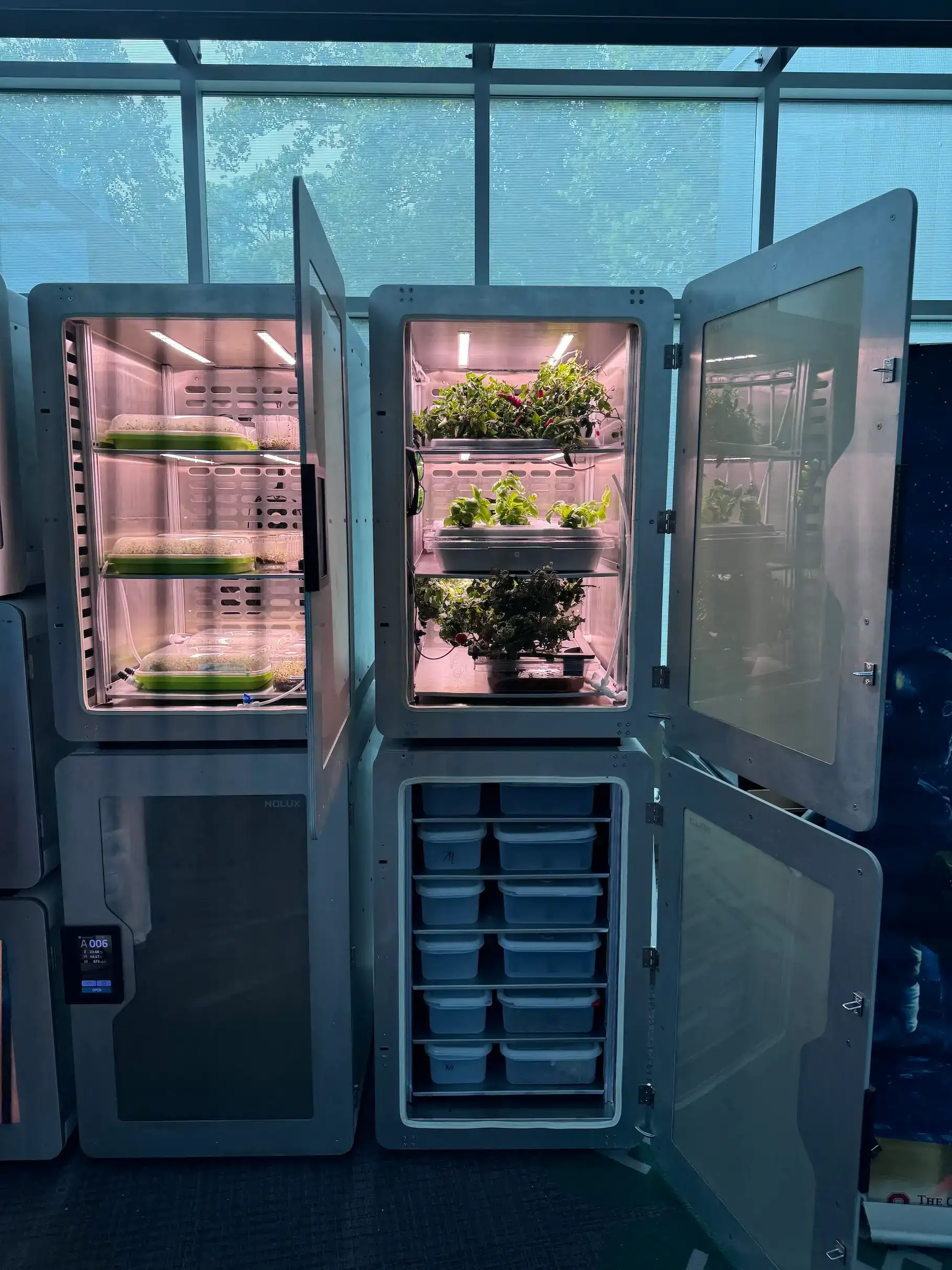
This shift from photosynthesis to an electrically powered synthesis opens up a range of exciting opportunities. Picture skyscrapers topped with solar arrays supporting vertical farms where plants thrive without any sunlight. Innovations like rain-powered futuristic windows generating electricity could further augment these urban agricultural ecosystems.
Obstacles and prospects ahead
Despite its promise, electro-agriculture faces some hurdles. Mature plants tend to lose their capacity to metabolize acetate, similar to how many adults develop lactose intolerance. Current research is aimed at reactivating this ability, with promising initial trials focusing on crops like lettuce and tomatoes.
Certain life forms, however, are already capable of using acetate effectively, including:
- Fungi such as mushrooms
- Yeasts
- Algae
These organisms could be the frontrunners in electro-agriculture applications, enabling more efficient production of food items and ingredients derived from them.
Additionally, the technology’s applications extend beyond agriculture. For instance, electro-agriculture principles could contribute to sustainable innovations like transforming coffee waste into eco-friendly materials, demonstrating its broad versatility.
Envisioning the future of crop production
Looking forward, the potential benefits of electro-agriculture are becoming increasingly clear. A comparison between current farming practices and this new method highlights notable advantages:
AspectConventional FarmingElectro-agricultureLand RequirementsExtensiveMinimalEnergy ConversionLow (1%)High (4x efficiency)Environmental FootprintHigh (deforestation)Low (sustainably driven)Expansion PotentialLimited to available landHighly scalable (vertical setups)
Though still emerging, experts like Feng Jiao, electrochemist at the University of Washington, remain hopeful. “We are just beginning,” Jiao explains, “but there is optimism that efficiency and cost-effectiveness will improve rapidly.”
As scientific advances continue, electro-agriculture may soon usher in a radical transformation in how the world produces food—minimizing deforestation, boosting sustainability, and addressing hunger challenges. What once seemed unachievable is now becoming an exciting reality at our doorstep.
- Categories:
- Science

















0 comments
Sign in to Comment