

Guam’s rugged cliffs and secluded coves have been central to archaeological studies aimed at uncovering how early settlers navigated vast ocean distances to inhabit the remote Pacific Islands. Recent finds in a revered cave along Guam’s northern shore are shedding new light on these ancient voyages.
A 3,500-Year-Old Pacific Crossing Unveiled
In June 2025, a global team of scientists revealed the discovery of ancient rice residues embedded in pottery fragments excavated from Ritidian Beach Cave in Guam. Documented in Science Advances, these traces represent the earliest confirmed presence of rice in Remote Oceania, dating back between 3,500 and 3,100 years. Lead researcher Mike T. Carson highlighted that this evidence helps resolve a long-debated question about whether the first Pacific Island settlers transported rice from the Philippines across 2,300 kilometers of open ocean.
The findings point toward a purposeful and carefully orchestrated migration. Genetic, archaeological, and language studies show that the initial population of the Mariana Islands traced their roots to the Philippines, themselves linked to Taiwan and mainland China. The rice traces found within “Marianas Red” pottery reinforce the idea that Austronesian voyagers intentionally carried domesticated crops during their expansion.

Rice Held a Sacred Role, Not a Staple Diet
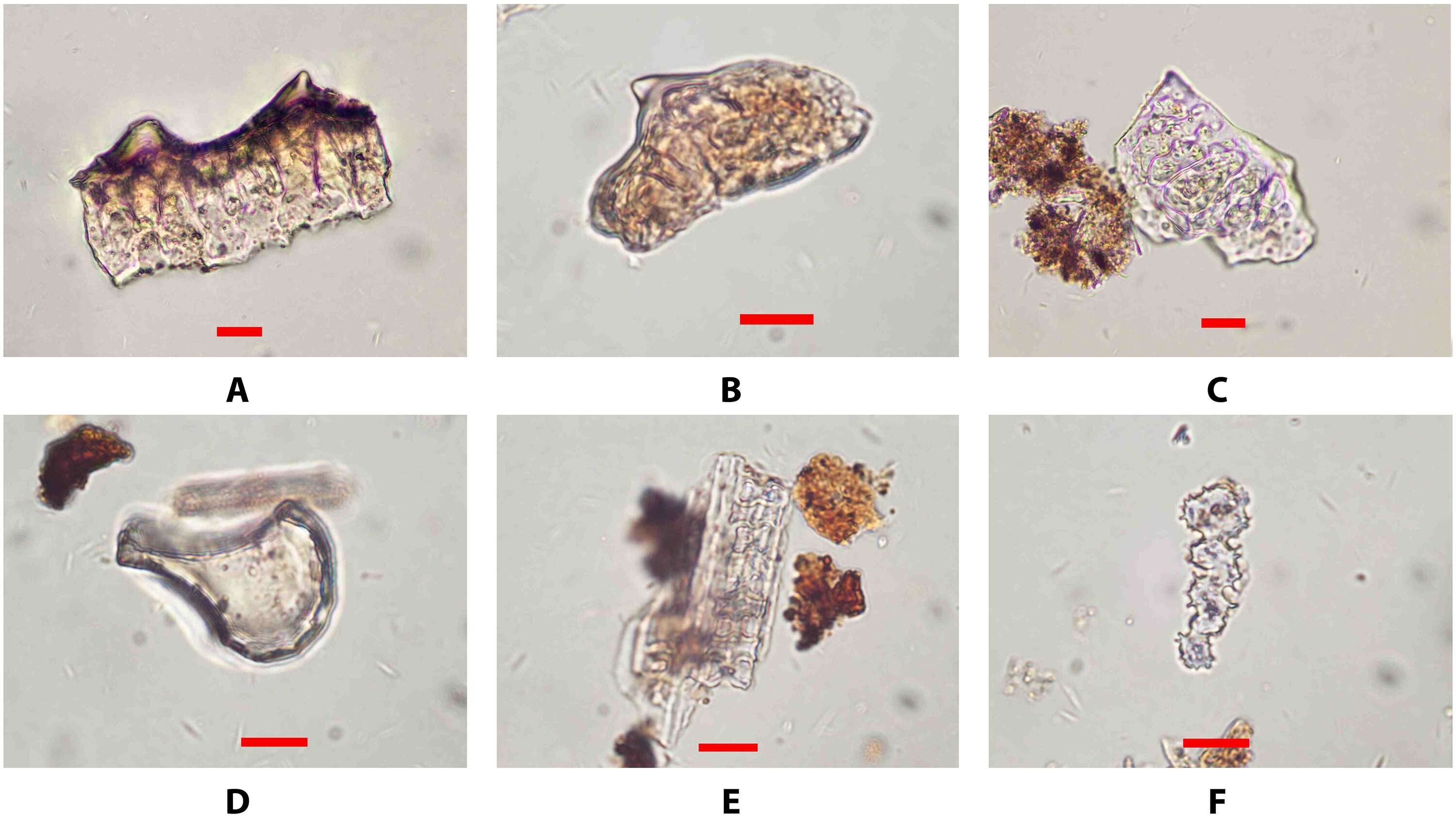
Unlike other Pacific islands where rice was uncommon, ancient Guam’s rice carried a distinct and restricted spiritual significance. Analysis of residue and phytoliths showed that rice appeared predominantly in ceremonial contexts rather than everyday meals. According to Carson’s group, “During this early era, rice was reserved for special ritual occasions in the Marianas.” Historical reports from 16th-century Spanish colonizers also described rice as reserved for funerals and those nearing death.
No signs were found of rice farming or irrigation systems from this period. Instead, the indigenous Chamorro diet mainly included taro, yams, bananas, and breadfruit, all typical Pacific staples. Archaeological layers at Ritidian Beach Cave revealed rice remnants primarily on ritual pottery shards, with negligible traces in living areas or surrounding sediments.
Modern Techniques Validate the Discovery
The researchers applied cutting-edge methods such as phytolith examination, micro-CT scanning, and thin-section petrography to confirm that the rice residues were authentic and directly linked to pottery usage. Detailed analysis showed the pottery was made from uniformly fine clay, and the plant fragments were unrelated to the manufacturing process.
Dating methods including radiocarbon and uranium-thorium analyses of charcoal, coral, and shell samples firmly dated the site. By cross-referencing prior studies in archaeology, genetics, and linguistics, the team supports the conclusion that rice was brought by the earliest group migrating into the Marianas.
Reinterpreting Pacific Ocean Voyages
This evidence of rice—a crop first domesticated in China and cultivated in Taiwan and the Philippines—offers valuable insights into the intentional and sophisticated nature of ancient migration. Linguist Robert Blust’s theory that Southeast Asian migration was deliberate, not accidental, gains momentum from these new findings. The journey from the Philippines to Guam, marking an unprecedented ocean crossing at the time, highlights early Austronesian maritime skill.
Moreover, Guam’s caves remain important ceremonial locations for the Chamorro, preserving connections to their ancestral heritage. The discoveries at Ritidian Beach Cave reveal intricate aspects of ritual life, migration, and cultural innovation that continue to influence the region’s identity.
- Categories:
- News




0 comments
Sign in to Comment