
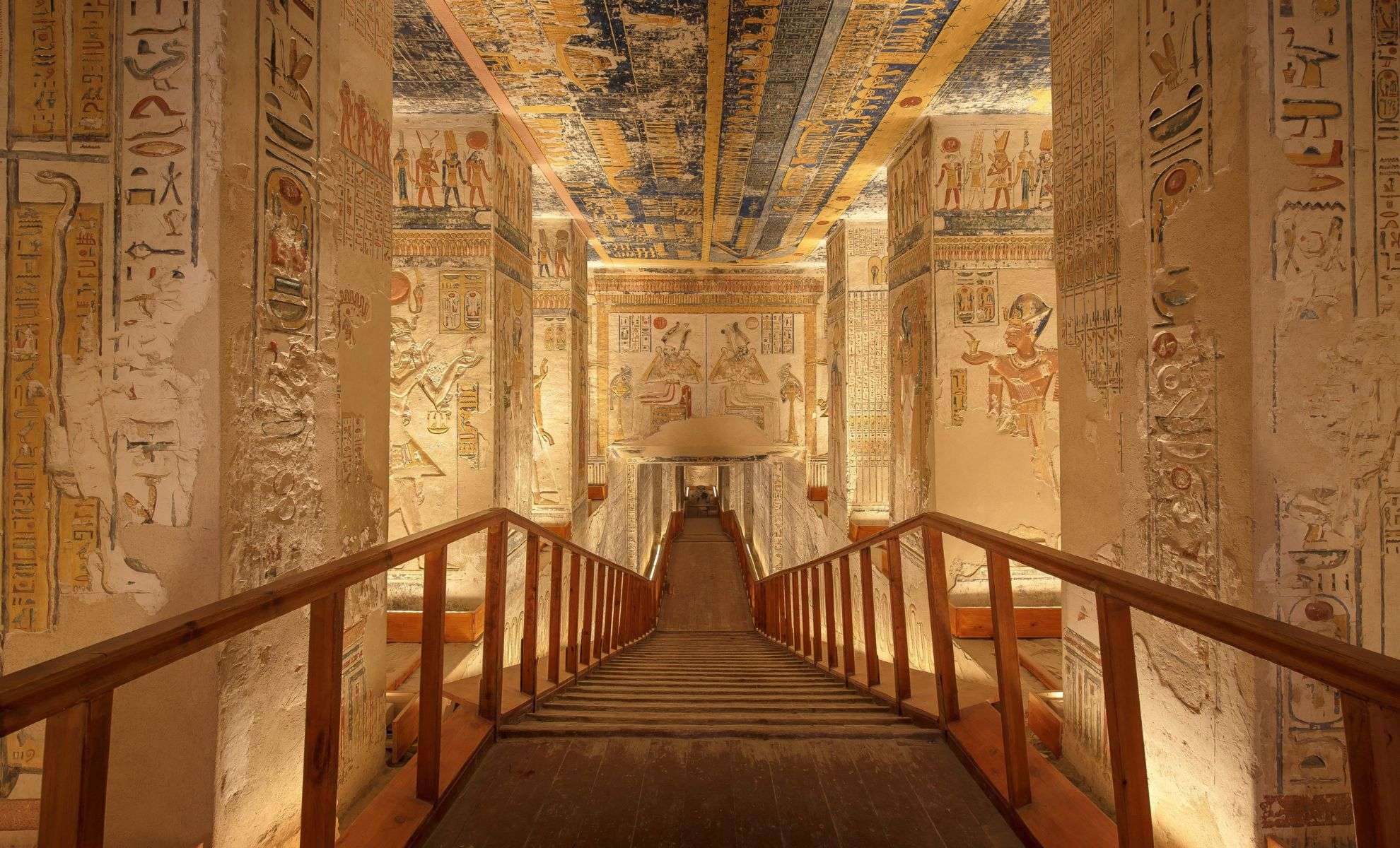
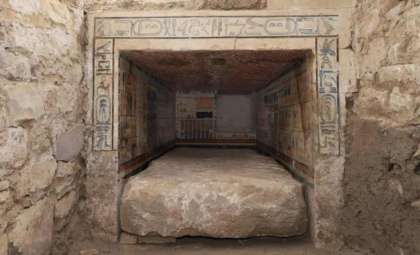
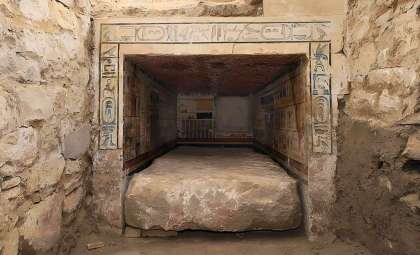
Archaeologists have uncovered an ancient tomb in Egypt dating back 3,500 years, attributed to King Thutmose II, a ruler from the early 15th century BC. This remarkable finding is considered one of the most extraordinary archaeological breakthroughs since the discovery of King Tutankhamun’s tomb in 1922. The excavation was led by a team consisting of Egyptian archaeologists and British experts working in the Theban Mountains near Luxor, close to the renowned Valley of the Kings.
An Unprecedented Archaeological Find
Mirror UK reports that experts initially suspected the tomb belonged to royal wives due to its location near the burial sites of King Thutmose III’s wives and the female ruler, Queen Hatshepsut. However, further analysis confirmed that the tomb was indeed that of King Thutmose II. Mohamed Ismail Khaled, secretary-general of the Supreme Council of Antiquities (SCA), highlighted the rarity of this find, noting, “This is the first time funerary furniture belonging to Thutmose II has been discovered, as no such items exist in museums worldwide.”
Artifacts within the tomb offer extraordinary details about ancient Egyptian royal burial traditions. Among the discoveries were alabaster jars engraved with the names of Thutmose II and his principal wife, Queen Hatshepsut. These findings have helped verify the tomb’s owner and reveal the significant involvement of Hatshepsut in arranging her husband’s burial. Khaled remarked, “The tomb is one of the most important Egyptian discoveries in recent history.”

The exceptional preservation of the tomb and the rare artifacts inside distinguish this discovery from others in the region. Initial assumptions categorized the site as a burial place for a royal wife, but the recently uncovered relics have led to a revision of that belief, firmly establishing it as the resting place of King Thutmose II.
The Influence of Queen Hatshepsut
A compelling element of this find is Queen Hatshepsut’s prominent connection to the burial, not only as Thutmose II’s queen consort but also as his half-sister. Researchers suggest that Hatshepsut might have had a direct role in orchestrating the burial, supported by inscriptions and artifacts within the tomb.
The tomb’s discovery also reshapes our understanding of Hatshepsut’s authority within the 15th-century BC Egyptian royal court. Her involvement signifies her considerable power and political influence as both a queen and a key historical figure within ancient Egypt.
Advancing Knowledge of Ancient Egypt
This discovery marks a pivotal advancement in Egyptology, deepening insights into royal burial practices and sociopolitical relations of the period. Scholars believe the tomb’s artifacts shed new light on the dynamics between Thutmose II and other contemporaries, alongside broader implications for the governance and customs of ancient Egyptian civilization.
The excavation, initiated in 2022, is a collaborative venture with the UK-based New Kingdom Research Foundation. This ongoing partnership among Egyptian and international archaeologists continues to bring to light significant discoveries.
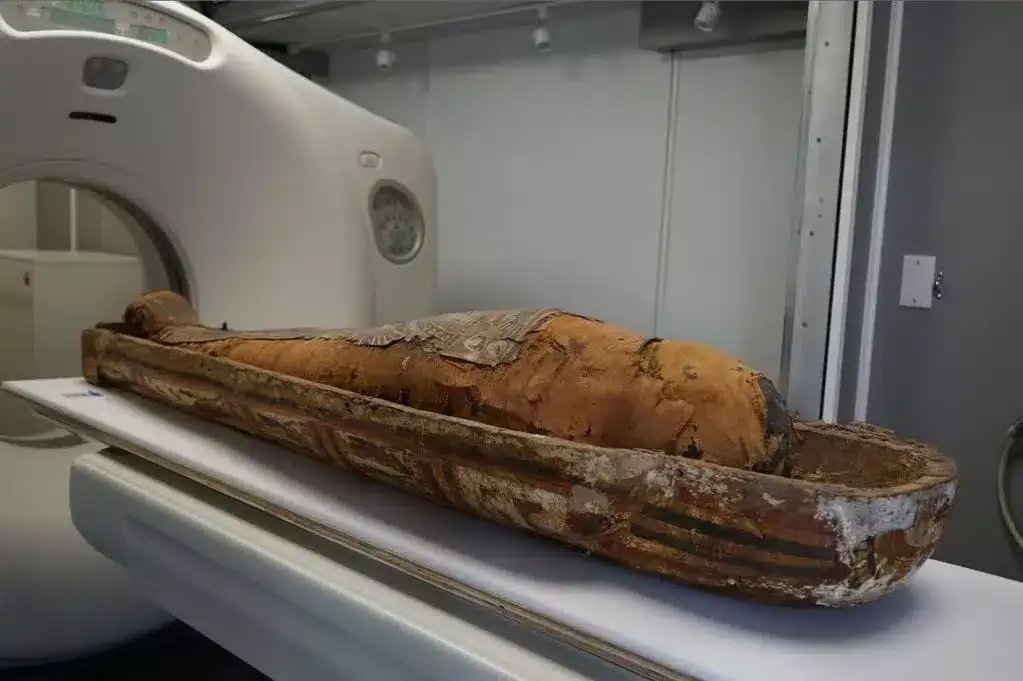
The mummy of King Thutmose II was unearthed in the 19th century at the Deir el-Bahari Cachette, near the newly found tomb. Although the mummy was moved there centuries ago after tomb robbers had disturbed the original burial, the location’s discovery offers fresh perspectives on the king’s legacy. Presently, Thutmose II’s mummy is preserved at the National Museum of Egyptian Civilization, displayed along with other royal mummies that chronicle Egypt’s ancient past.
- Categories:
- News




0 comments
Sign in to Comment