
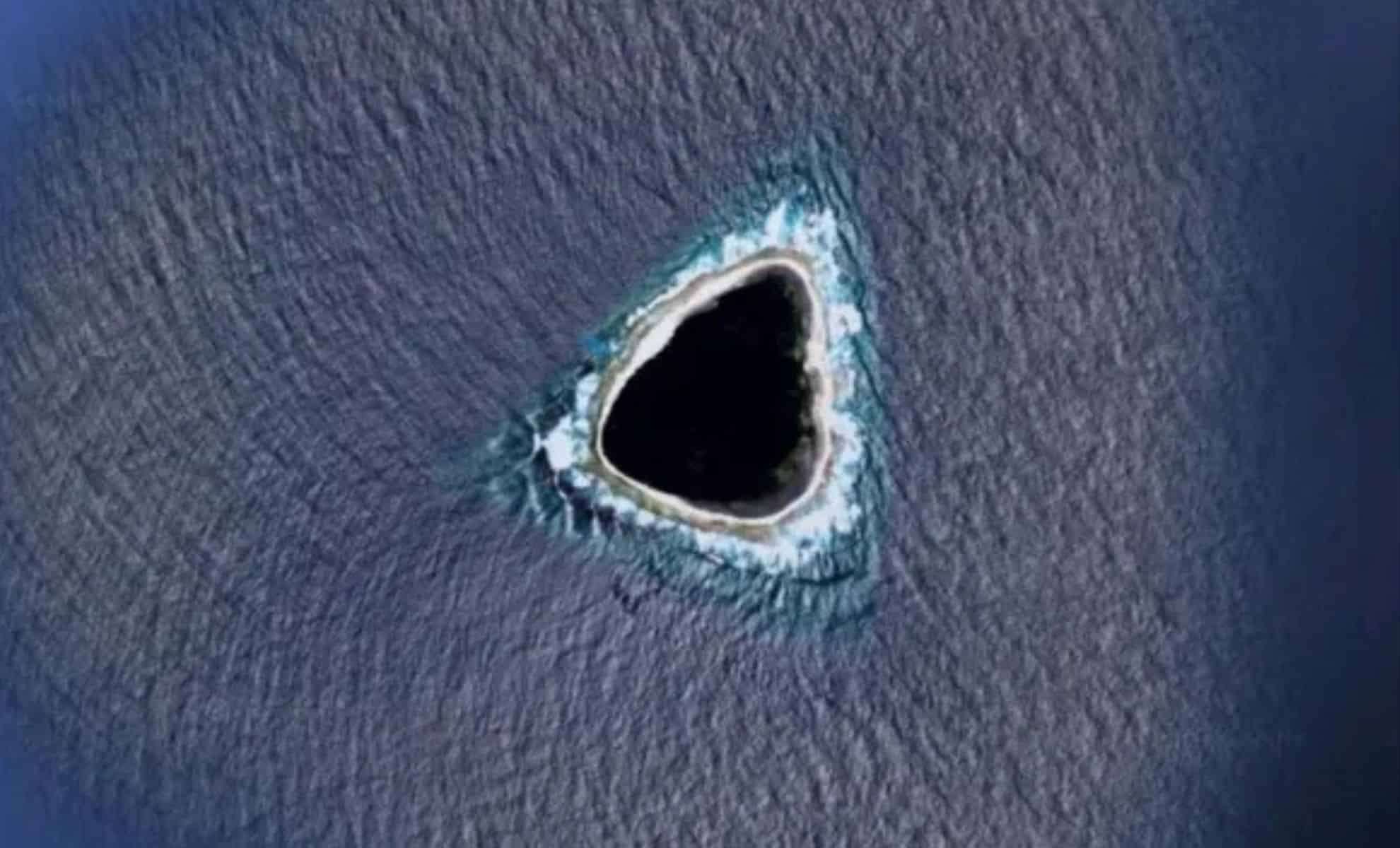
Back in 2021, an unusual image captured from Google Maps sparked widespread intrigue: a perfectly black, triangular shape situated in the heart of the Pacific Ocean. This striking anomaly fueled an array of imaginative theories. Was it a covert military installation? A gateway to another dimension? Or something far more ominous?
This dark triangle appeared to absorb every bit of light, resembling a black hole rather than any known island. Unlike other landmasses visible on Google Maps with their surrounding blue waters and signs of greenery, this spot looked like a void, suggesting to many that it was purposely obscured. Discussions and rumors flourished across Reddit, Twitter, and conspiracy websites, including wild claims that it might conceal an underwater passage straight to Earth's center.
However, experts eventually provided a grounded explanation—one that may not be supernatural, but is no less remarkable.

The Island That Absorbs Light
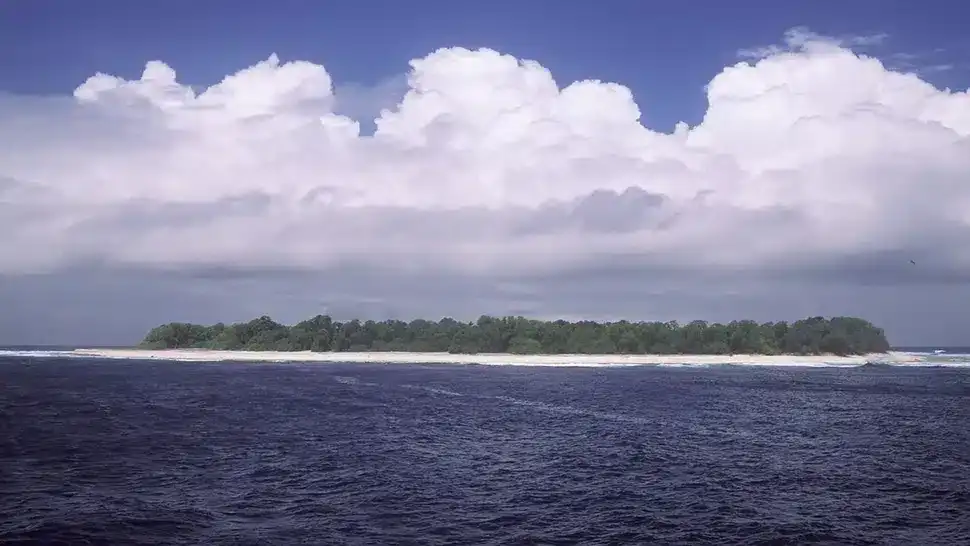
The mysterious black hole was identified as Vostok Island, a small, uninhabited coral atoll within the Republic of Kiribati, nearly 4,000 miles east of Australia. Unlike typical islands characterized by beaches or visible vegetation, Vostok Island is shrouded entirely by Pisonia trees, a densely thriving species whose thick canopy blocks nearly all sunlight.
From an aerial perspective, this dense foliage causes the island to appear as a light-absorbing void, creating an optical illusion that misled countless internet users into seeing something otherworldly.
A BBC article highlights how the remarkable concentration of Pisonia trees is behind the island’s unusually dark satellite image. Contrasting with typical tropical vegetation diversity, Vostok Island’s ecosystem is dominated entirely by this single tree species, generating an impenetrable green cover with no room for other plants.
A Lethal Habitat for Birds
Beyond its eerie appearance, Vostok Island conceals a grim natural phenomenon. The Pisonia trees accountable for the island’s dark surface are also fatal to many birds. As reported by LiveScience, these trees release sticky seed pods that attach firmly to seabirds such as boobies, noddies, and frigatebirds. The more the birds struggle to free themselves, the more seeds cling, eventually grounding them completely.
Unable to fly, trapped birds fall into the forest floor and perish due to exhaustion or starvation. Research published by JSTOR Daily describes how certain regions nickname these trees “birdcatchers” because of the grim fate they impose on local avian populations. This unsettling dynamic explains why, despite appearances, no birds can survive the island’s canopy.
Internet Speculations vs. Reality
Before the true cause behind the black patch was uncovered, social media was rife with extravagant guesses regarding the origin of this unusual oceanic void. The most persistent theories included:
- A secret government site deliberately blacked out on satellite maps
- An enormous underwater cavern or tunnel reaching toward Earth’s core
- A concealed extraterrestrial landing zone
- A visual anomaly hinting at a simulated reality glitch
None of these theories bore out, but the mystery captured the public’s imagination like few natural curiosities have.
An Uninhabited Island Lost to Time
Discovered by Russian explorers in 1820, Vostok Island remains uninhabited and largely untouched. Unlike many other islands in the Pacific, it lacks accessible fresh water, making permanent settlement impossible.
A 1966 feature in Pacific Islands Monthly confirmed there is no archaeological evidence of past human activity on Vostok. While occasional scientific teams have explored the island, no attempts at establishing residency have ever succeeded.
This isolation has preserved Vostok Island as one of Earth's few pristine, untouched ecosystems where nature reigns supreme.
Decoding the Optical Mirage
At first glance, the black triangular shape in the Pacific resembled something from a science fiction tale—a dark chasm concealing a secret. In reality, however, the cause is purely natural yet no less astonishing.
Vostok Island, enveloped by extensive Pisonia foliage, is a place where sunlight disappears, birds meet tragic ends, and humans have never settled. Though it lacks extraterrestrial secrets or government plots, it stands as a compelling example of nature’s ability to craft visual puzzles and remote habitats.
Next time a mysterious image pops up online, remember: nature often holds deeper stories than fiction.
- Categories:
- News


0 comments
Sign in to Comment