
Researchers have identified numerous hidden structures in the Maya Lowlands as ancient marketplaces. The study reveals these areas were centers of more than just commerce. Led by Ivan Šprajc and published in Ancient Mesoamerica, the investigation surveyed close to 50 Classic period sites. Each shares a consistent architectural layout suggesting purpose-built marketplaces used repeatedly rather than informal trading spots. These market hubs were integral to a larger system influenced by the landscape and cultural traditions.
Consistent Architectural Patterns Indicate Deliberate Market Design
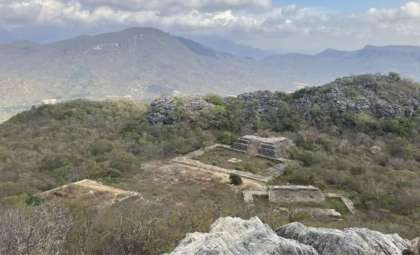
Throughout the central and western Maya Lowlands, Ivan Šprajc identified groups of low, narrow earthen mounds arranged in circular or rectangular formations, which he terms “nested constructions.” According to the recent publication, the repetitive nature of this pattern strongly supports their function as marketplaces, aligning with prior research such as that referenced by the marketplace interpretation.
“Since the available evidence strongly suggests that they represent a regional variant of ancient Maya built markets, this study also explores their distribution in relation to major trade routes, environmental constraints, and regional economic specializations,” the authors wrote.
Add Cosmo Herald as a Preferred Source

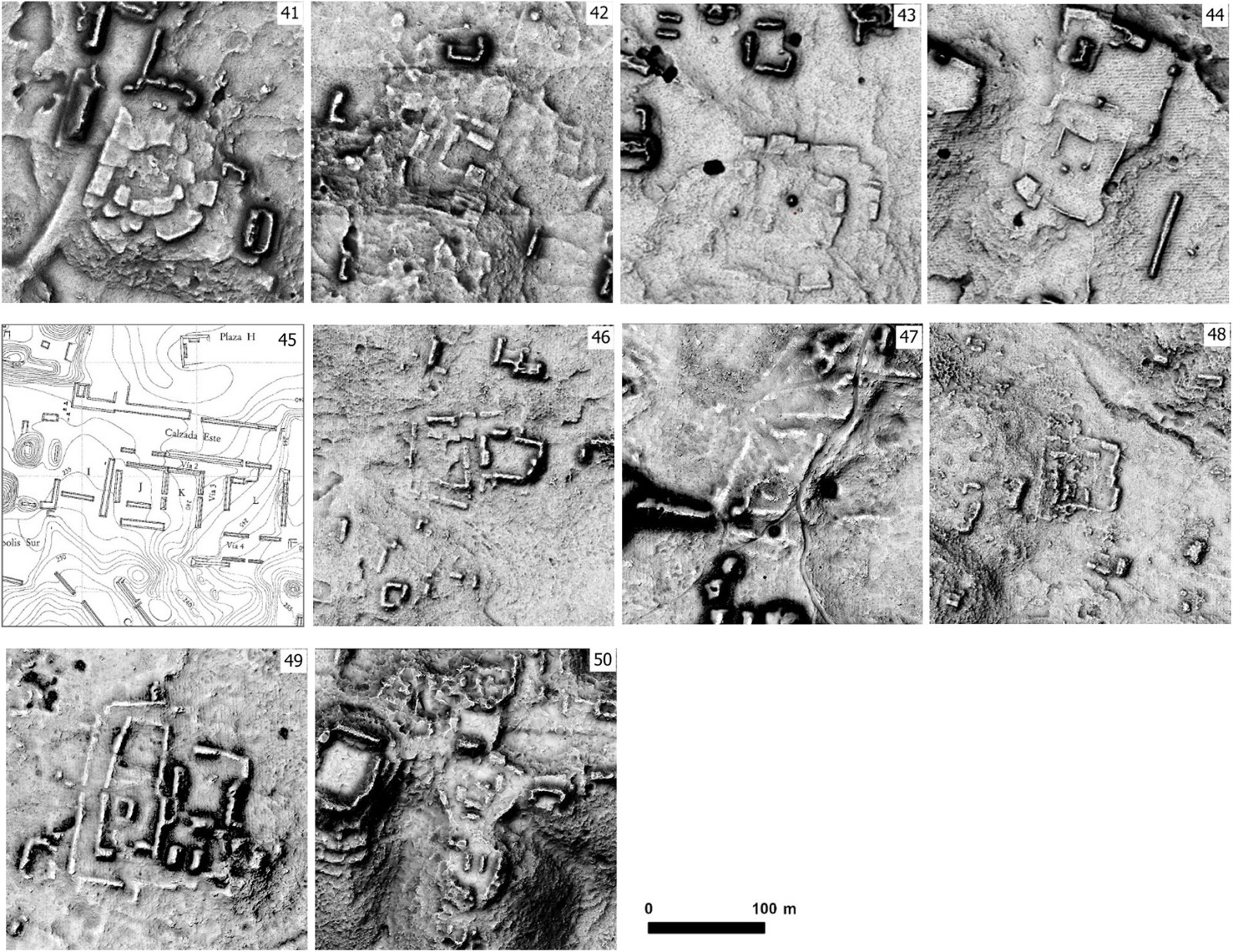
The mounds likely supported temporary stalls constructed from perishable materials, with pathways weaving between them to accommodate heavy marketplace traffic. Šprajc notes that the structural design resembles marketplace descriptions from central Mexico during the Spanish Conquest. Certain sites also include adjacent courtyards and larger buildings, possibly serving administrative or storage functions. As he points out:
“The idea that complexes with this distinctive configuration represent the remains of built markets appears to be the most viable interpretation in light of the available data.”
Additionally, some locations feature nearby courtyards and expansive buildings, which were probably used for managing goods or administration.
Trade Centers Intertwined with Religious and Social Functions
The function of these sites extended beyond commerce. Archaeologists unearthed stone altars, shrines, and ball courts within several complexes, indicating these were hubs where trade, ritual, and social life intersected.
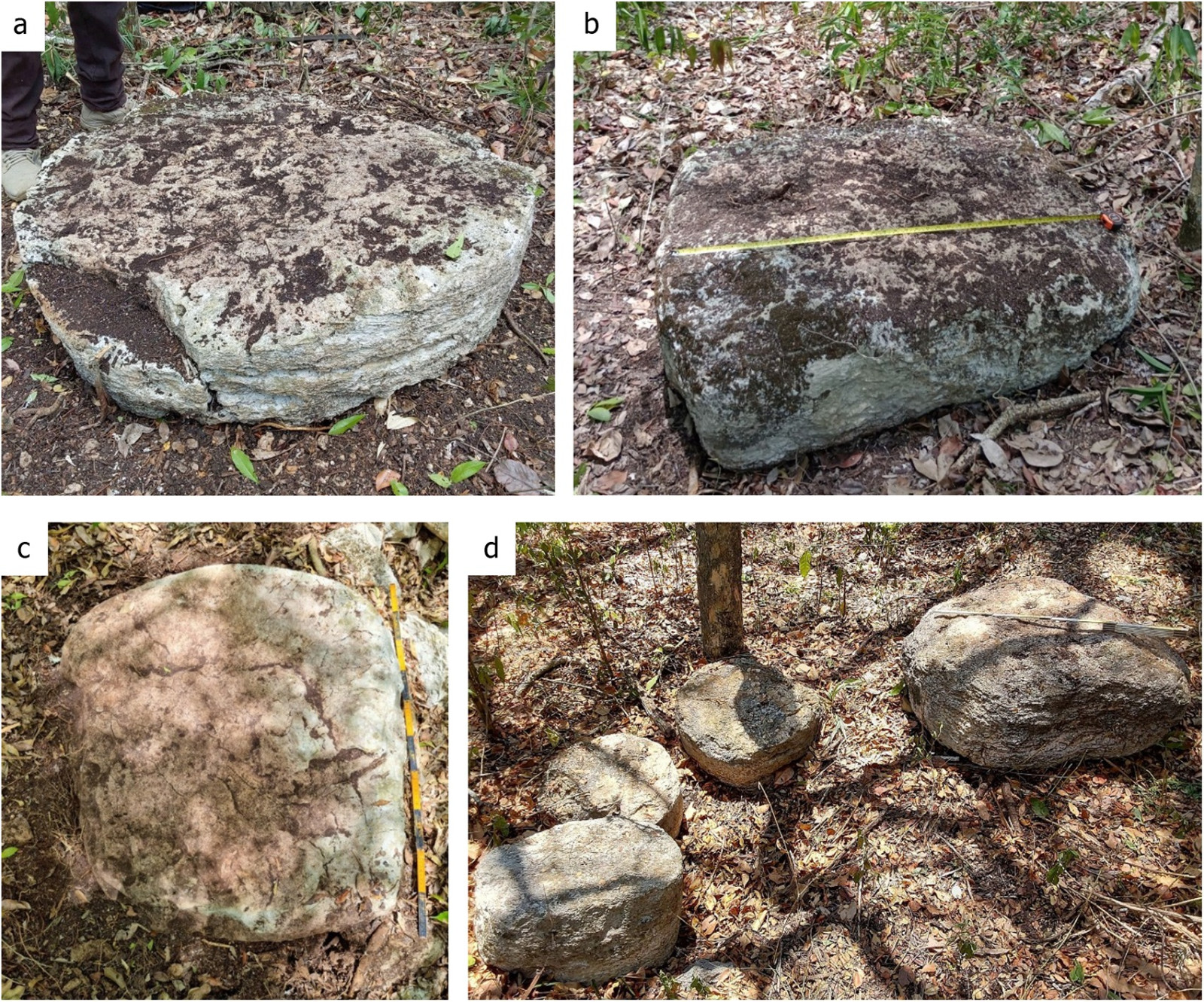
The research highlights ceremonial structures at certain sites, with paintings depicting marketplace scenes that underscore the cultural importance of these locations. These markets likely functioned as communal spaces for both exchanging goods and conducting shared rituals and festivities.
Natural Landscape Influenced Marketplace Distribution
Ivan Šprajc emphasizes many marketplaces are situated in regions with limited agricultural potential, suggesting local communities depended heavily on trade and resource redistribution.
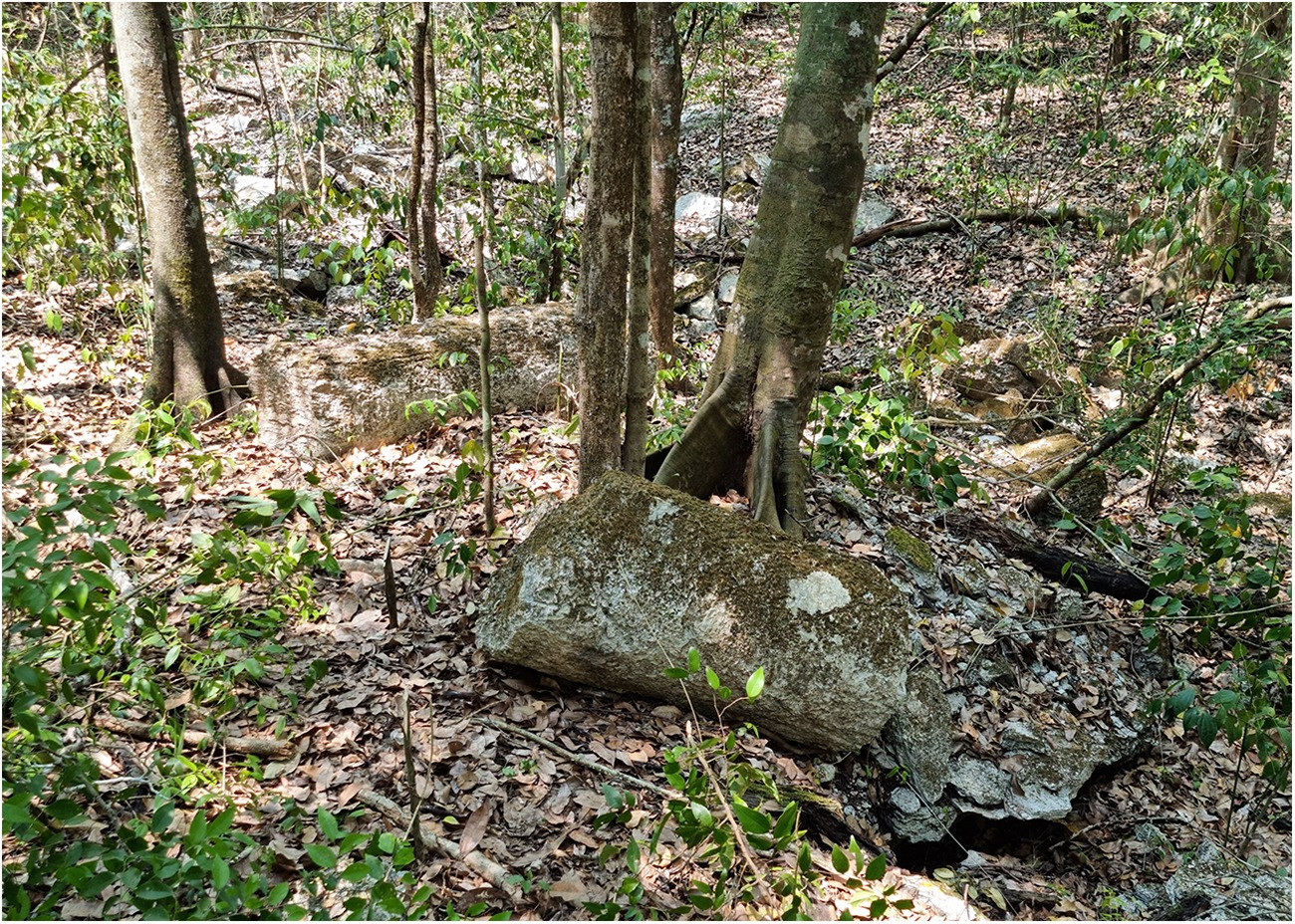
Another notable cluster lies near the La Rigueña River, known for its abundant fish. Evidence hints these marketplaces specialized in fish trade, illustrating how natural resources shaped commerce. Šprajc adds that many marketplaces may have left minimal archaeological footprints.
“Given the known regional variability in diverse cultural expressions, it seems obvious that the same activities could have taken place in compounds with different architectural configurations or even in spaces without permanent structure,” he said.
This suggests trading venues varied widely, and some may have vanished without leaving material traces. The currently identified sites likely represent only a segment of a broad and diverse ancient Maya market system.
- Categories:
- Science









0 comments
Sign in to Comment