
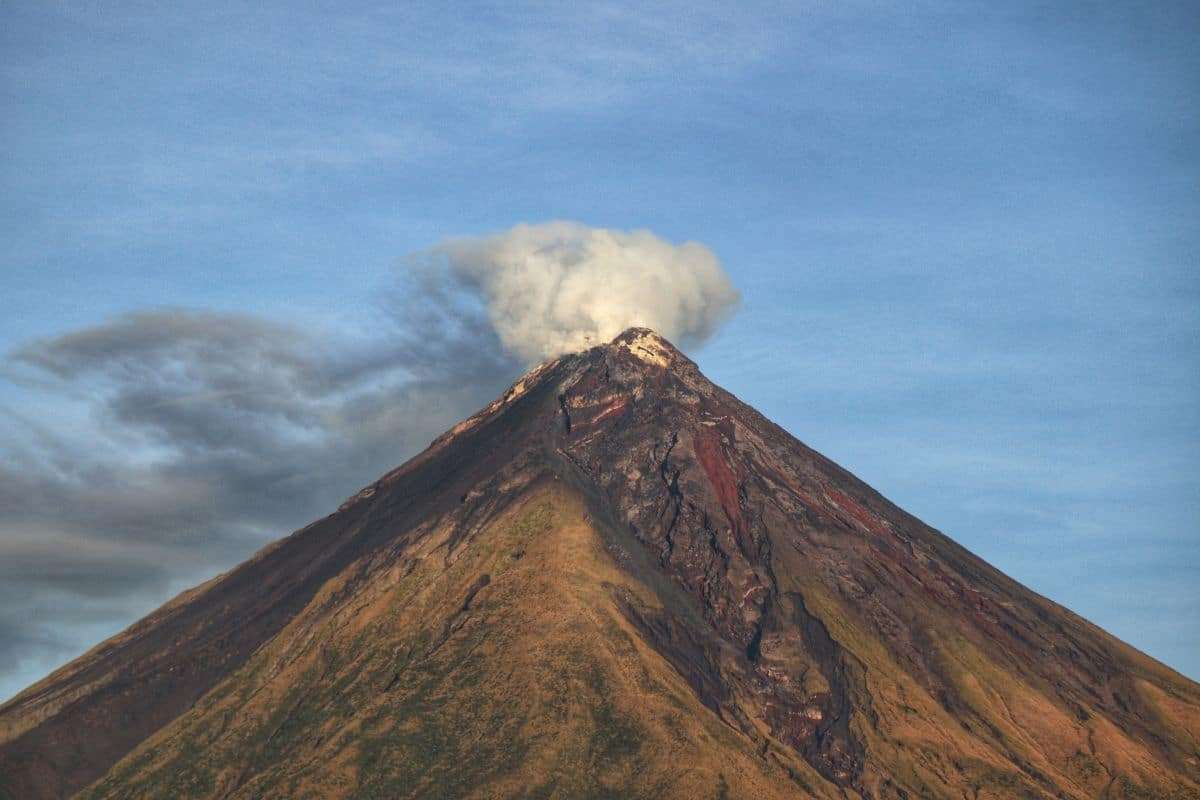
For billions of years, Earth's atmosphere contained almost no oxygen, making the emergence of complex life impossible. While it is widely accepted that photosynthetic microbes gradually oxygenated the air, recent findings indicate that volcanic eruptions may have been key drivers in initiating this vital change.
A research article from the University of Tokyo suggests that massive volcanic events caused temporary oxygen surges in the atmosphere, which were crucial precursors to the Great Oxygenation Event (GOE).
Earth’s Atmosphere: From Oxygen-Free to Oxygen-Rich
Today, oxygen makes up about 21% of Earth's air, but around 2.5 billion years ago, it was nearly nonexistent, with the atmosphere dominated by carbon dioxide and other gases.

The common explanation credits early cyanobacteria that performed photosynthesis, gradually enriching the air with oxygen over millions of years.
However, this study proposes that before the GOE, Earth experienced fleeting episodes of increased oxygen—called "whiffs"—likely triggered by intense volcanic activity.
Volcanic Influence on Oxygen Levels
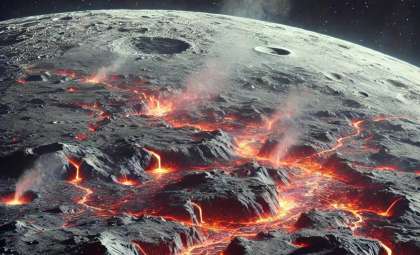
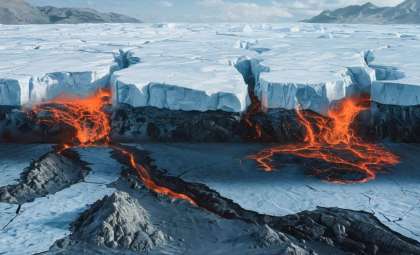
These volcanic eruptions expelled vast amounts of carbon dioxide, intensifying the greenhouse effect and warming the planet. The warmer climate enhanced the weathering of rocks, which released vital nutrients like phosphate into ocean waters.
Professor Eiichi Tajika, a co-author of the study, explains that photosynthetic life alone did not immediately oxygenate the atmosphere due to limited ocean nutrients. “Microbial activity in the oceans was fundamental in driving changes to atmospheric oxygen,” he notes.
He adds that volcanism played a pivotal role: “Significant geological phenomena, such as continent formation and, as our research indicates, intense volcanic eruptions, were essential in enriching oceans with nutrients.”
Geological Clues Supporting the Hypothesis
The team analyzed redox-sensitive elements including molybdenum, rhenium, and selenium to trace oxygen fluctuations. One notable oxygen increase 2.5 billion years ago is recorded within the Mt. McRae Shale deposits in Australia.
Lead researcher Yasuto Watanabe highlights the difficulty of simulating these ancient biogeochemical dynamics: “Creating a numerical model that accurately reflects the complex late Archean environment was a significant challenge.”
The Impact of Brief Oxygen Surges
Although these oxygen increases were short-lived, they possibly were instrumental in establishing conditions that enabled the GOE. The ongoing volcanic activity over millions of years likely pushed Earth's atmosphere beyond a critical threshold toward sustained oxygenation.
Watanabe emphasizes the value of these episodes:
“Understanding the whiffs is critical for constraining the timing of the emergence of photosynthetic microorganisms. The occurrences are inferred from concentrations of elements sensitive to atmospheric oxygen levels in the geologic record,”
Such oxygen pulses probably promoted the evolution of oxygen-utilizing enzymes in early life forms, enabling adaptation to increasing oxygen levels over time.
- Categories:
- Science






0 comments
Sign in to Comment