
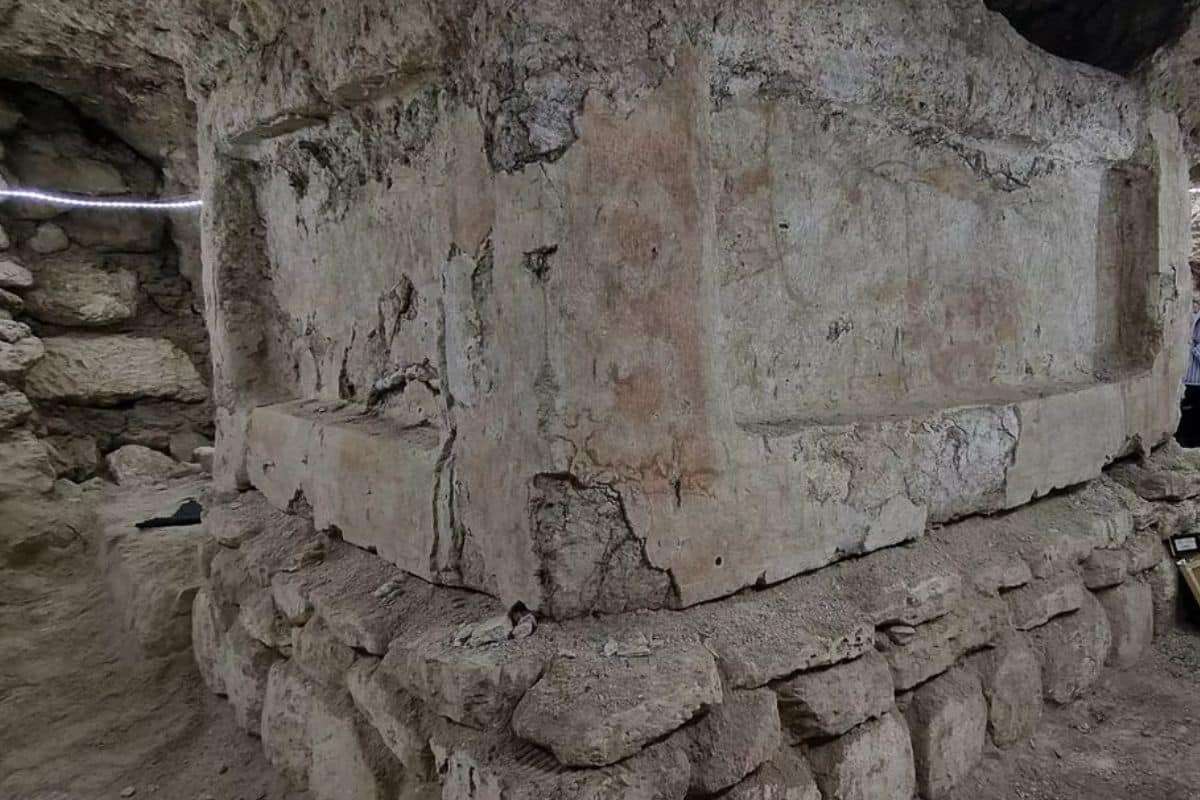
Archaeologists exploring the depths of the Guatemalan jungle have uncovered a remarkable altar at Tikal, shedding light on the complicated dynamics of Maya civilization during a period of intense interaction with the powerful city of Teotihuacan.
Exceptional Craftsmanship from the Ancient Maya
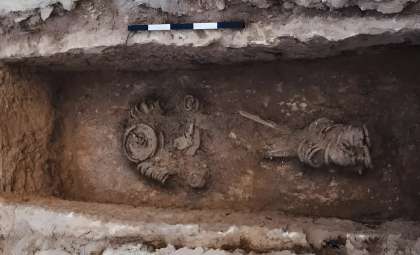
As detailed by Popular Science, this altar is an exquisite representation of Maya artistry, adorned with four panels painted in striking shades of red, black, and yellow. The imagery features a deity figure donning a feathered headpiece alongside shields and ceremonial items, closely resembling the Maya "Storm God".
Stephen Houston from Brown University, a co-author of the study, commented, “This era at Tikal was marked by considerable upheaval. The altar indicates that elites from Teotihuacan migrated to Tikal and replicated religious installations from their origin city, demonstrating a profound cultural footprint.”

The Expansion of Tikal and Its Teotihuacan Connection
Tikal, as a thriving center of Maya civilization, eventually established contact with the distant and influential Teotihuacan, situated roughly 600 miles away near modern Mexico City.
Teotihuacan, renowned for its expansive temples and populous urban environment, dominated the region between 100 BCE and 750 A.D. Initially, trade defined the interactions, but tensions soon arose. Houston observed, “It seems that Tikal inadvertently provoked Teotihuacan’s attention, leading to an influx of foreigners in the area.”
Insights into Maya Sacrificial Practices
Lorena Paiz, the lead archaeologist on this project, revealed, “Remains of three children under the age of four were discovered on three sides of the altar.” This finding implies that the altar played a role in ritual sacrifices, a significant aspect of Teotihuacan’s spiritual customs.
The Effect of Teotihuacan's Presence in Tikal
The arrival of Teotihuacan influence disrupted traditional Maya practices. Andrew Scherer, also a co-author, explained, “The Maya typically rebuilt over old structures by burying them, but in this case, they intentionally covered the altar and its surroundings and left it untouched, even as the land remained valuable centuries later.”
He continued, “This suggests the site was treated almost like a sacred monument or a forbidden zone.”
Enduring Consequences of Teotihuacan’s Influence
While Teotihuacan’s intrusion challenged Tikal, it also contributed to its evolving identity and eventual prominence.
Houston reflected, “There’s a wistful memory of the era when Teotihuacan was at its zenith and deeply engaged with the Maya. Despite setbacks, Tikal eventually emerged as one of the dominant Maya city-states.”
He further noted, “Much like the fate of the Aztec civilization faced during the Spanish conquest, our research reveals that powerful central Mexican civilizations historically extended their reach into the Maya region. They coveted its vast riches—exotic feathers, jade, and cacao—making it a land of unrivaled abundance in their eyes.”
- Categories:
- Science







0 comments
Sign in to Comment