
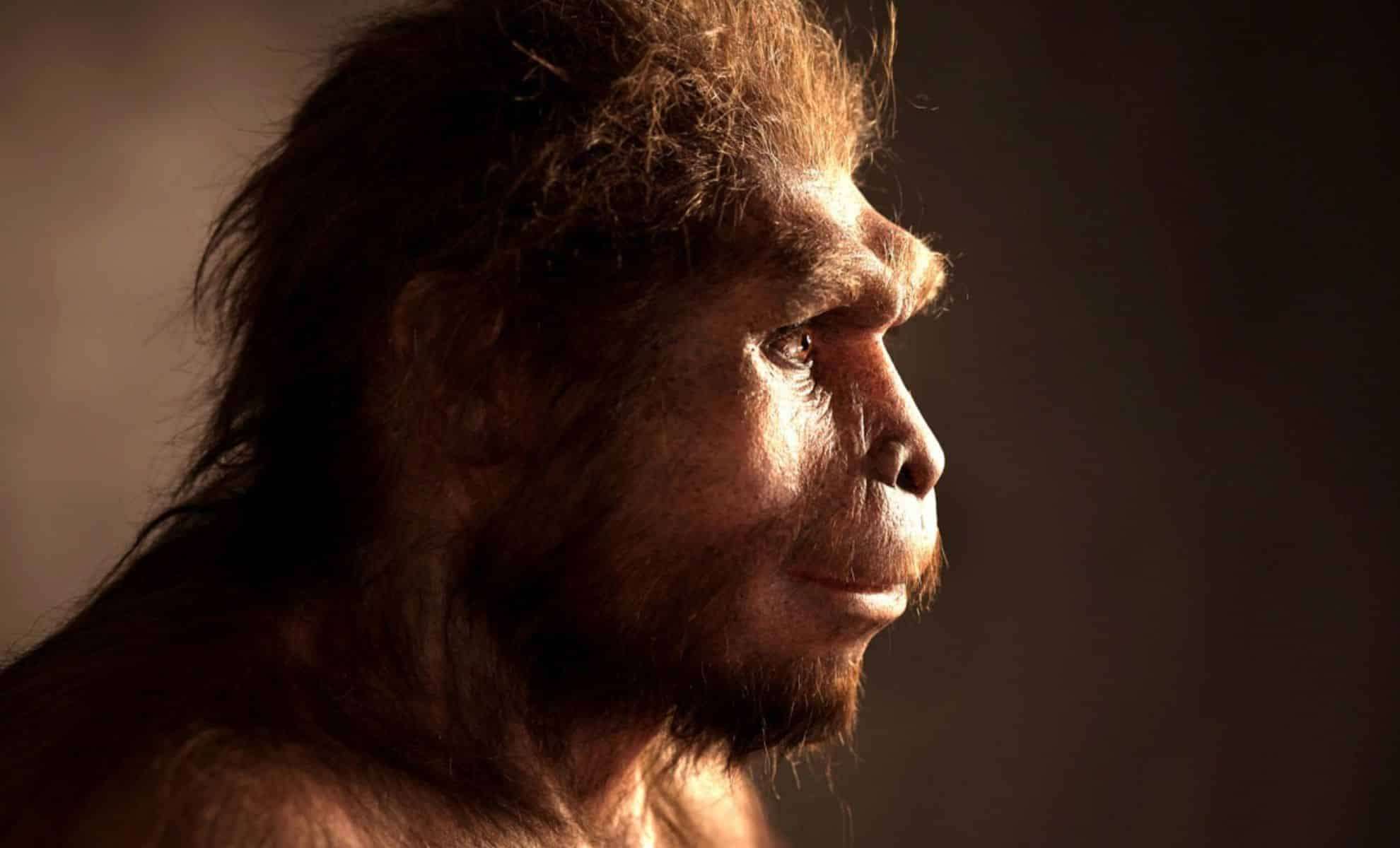
Groundbreaking research has uncovered that up to 20% of the genetic blueprint in modern humans originates from an enigmatic population that diverged from our lineage approximately 1.5 million years ago. This revelation offers fresh insights and challenges existing beliefs about how humans evolved.
A Tale of Two Diverging Groups
Previously, the development of humans was thought to be a linear progression where a single ancestral population gradually gave rise to modern Homo sapiens. However, a recent study spearheaded by researchers at Cambridge University paints a far more intricate picture.
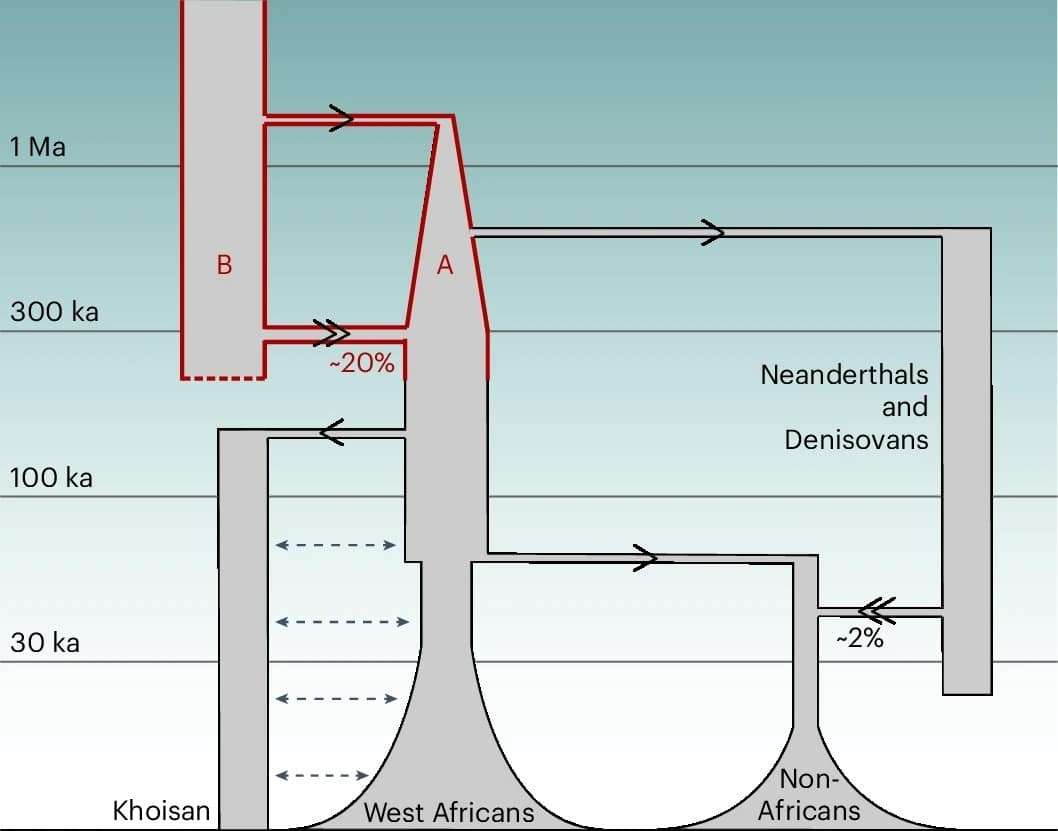
Published in Nature, the investigation indicates that two separate human groups diverged roughly 1.5 million years ago but later reconnected about 300,000 years ago, merging their genetic legacies.

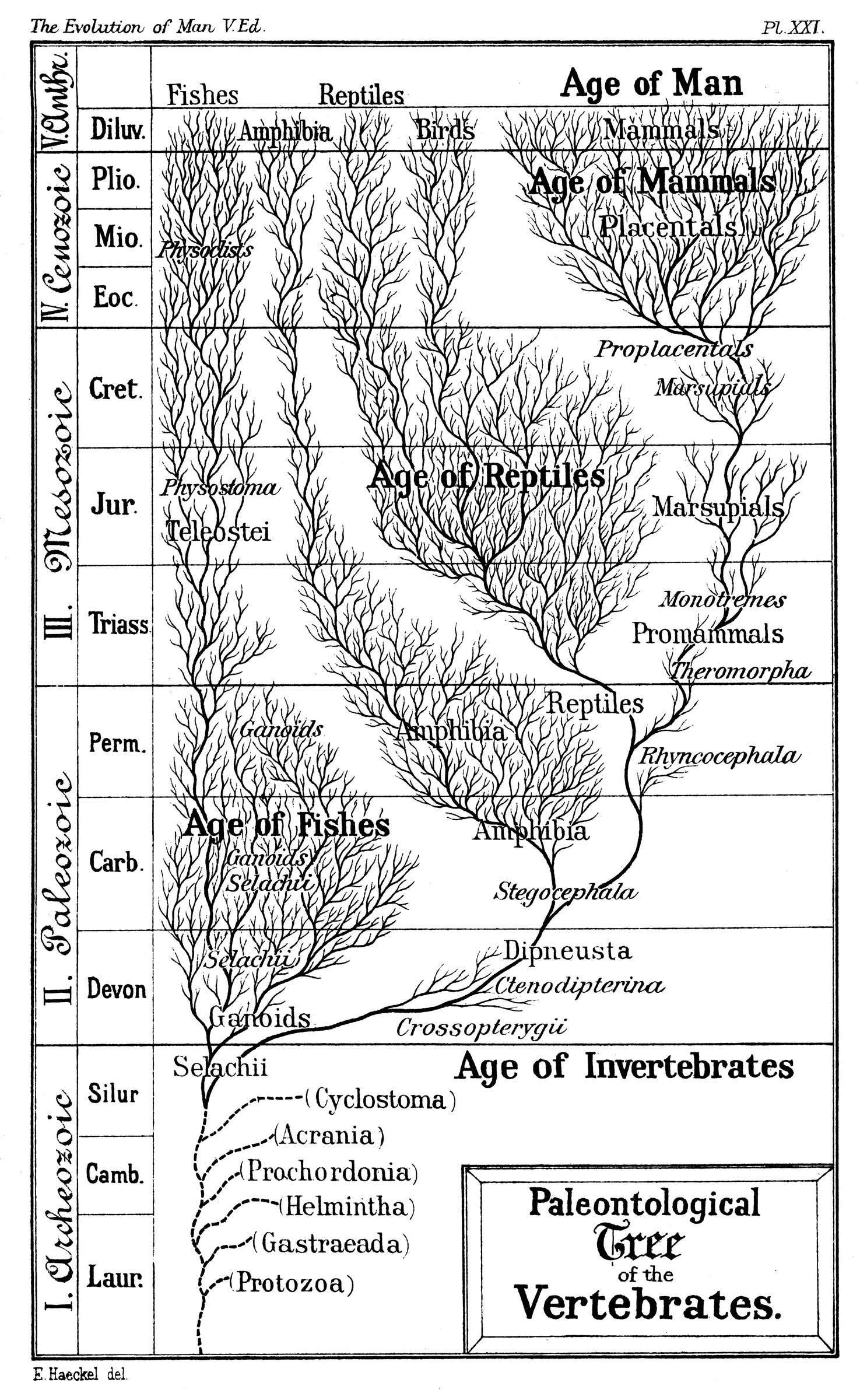
This new model disrupts the classic notion of human evolution as a straightforward branching tree, instead revealing a dynamic history marked by periods of divergence followed by recombination, adding layers of complexity to our ancestry.
Significant Genetic Contributions from Distinct Lineages
Surprisingly, the research reveals that one ancestral group accounts for nearly 80% of the DNA found in present-day humans. After their split, this population experienced a major genetic bottleneck, drastically reducing its size before gradually expanding over a million years.
This contraction and expansion shaped much of the modern human genome and is believed to have given rise to Neanderthals and Denisovans, our archaic human cousins.
Intriguingly, the other group, contributing just 20% of the genetic pool, bore genes vital to the development of advanced brain functions and neural networks. These genetic traits were essential to the cognitive advancements that distinguish Homo sapiens.
Unraveling a More Intricate Evolution
Complementing these findings, a feature in ScienceAlert explores the complexity of human origins further. It highlights that our evolutionary history cannot be accurately represented by simple diagrams.
Scientists have identified that while the split occurred about 1.5 million years ago, a significant reunion took place roughly 300,000 years ago, melding the lineages and forming what we now recognize as the modern human genome.
Though the smaller lineage contributed a lesser percentage, its genetic input, particularly genes linked to brain development, was pivotal in human evolution. This underscores how even minor genetic contributions can have a profound impact.
Entwined Histories: Neanderthals, Denisovans, and Human Origins
This revised evolutionary framework aligns with earlier studies demonstrating close genetic links between modern humans, Neanderthals, and Denisovans. Remnants of Neanderthal DNA persist in non-African populations today, making up about 2% of their genomes.
These findings imply that early human groups were not as isolated as once assumed. Instead, they frequently interbred, facilitating gene flow and blending populations that ultimately shaped modern humanity.
The analysis reinforces the idea that interspecies mixing was commonplace, blurring previously rigid distinctions and playing a fundamental role in molding both physical characteristics and mental capabilities of Homo sapiens.
- Categories:
- Science


0 comments
Sign in to Comment