
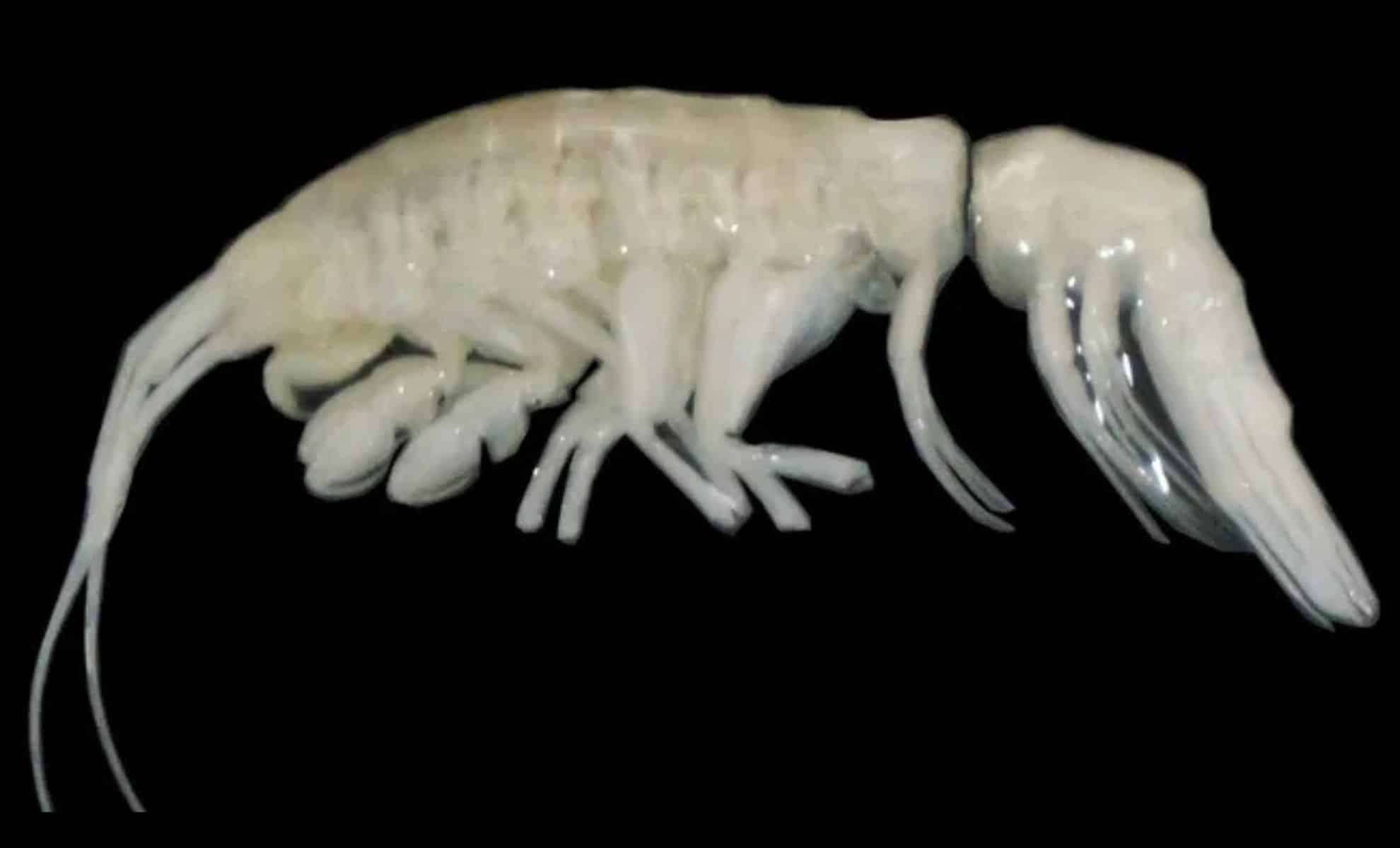
The Atacama Trench, known for its extreme depth and harsh conditions, has once again surprised scientists by revealing a newly discovered predator. This amphipod species, named Dulcibella camanchaca, underscores the rich and diverse forms of life thriving in the pitch-dark, high-pressure environment of the deep ocean. This remarkable finding advances our understanding of how organisms adapt to one of the planet’s most challenging habitats.
An Apex Amphipod from the Abyss
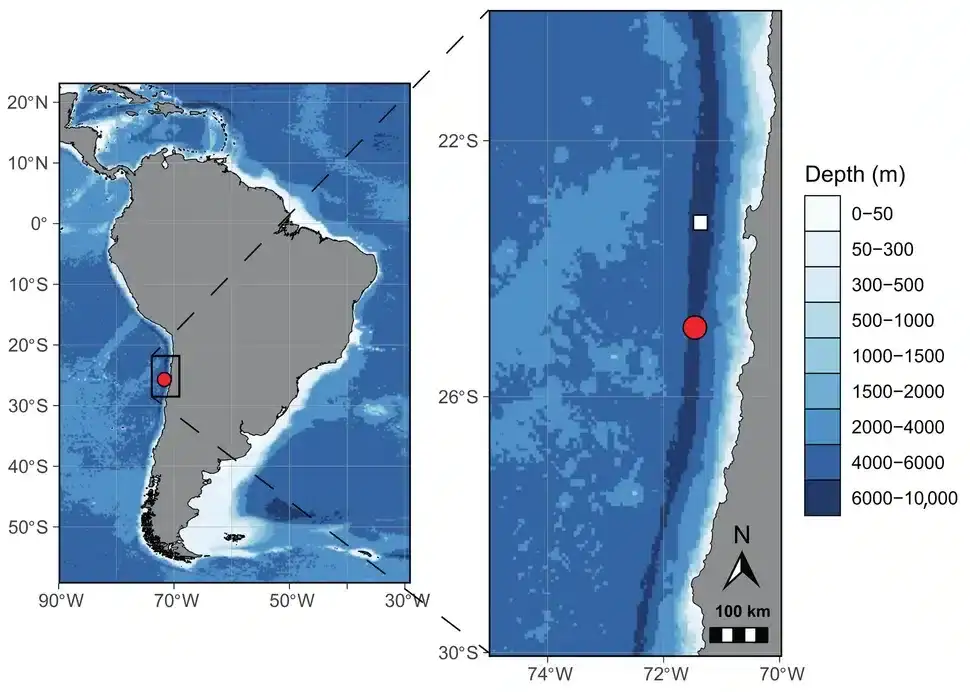
Situated off the shores of Chile and Peru, the Atacama Trench plunges over 8,000 meters into the ocean’s hadal zone — an environment devoid of light and subjected to crushing pressure. Despite these extreme conditions, it hosts a surprising variety of life. A recent publication in Systematics and Biodiversity introduced the scientific community to Dulcibella camanchaca, marking it as the first large predatory amphipod identified at such profound depths.
Measuring just shy of four centimeters, this tiny yet tenacious crustacean possesses raptorial limbs specially evolved to seize smaller amphipod prey. The discovery was made during the 2023 Integrated Deep-Ocean Observing System (IDOOS) Expedition aboard the R/V Abate Molina, involving international collaboration. Specimens were retrieved from an astonishing 7,902 meters below sea level, positioning this predator among the deepest ever recorded.

“Dulcibella camanchaca exhibits agile swimming and predation skills, named after the indigenous term for ‘darkness’ to reflect its deep ocean habitat,” explained Dr. Johanna Weston, co-author and hadal ecologist at Woods Hole Oceanographic Institution (WHOI).
Introducing a New Genus: Spotlight on Atacama’s Endemism
The classification of Dulcibella camanchaca as both a new species and genus highlights the Atacama Trench’s significance as a site of unique evolutionary processes. Genetic sequencing and morphological studies performed at Universidad de Concepción revealed distinctive features that warranted the establishment of an entirely new genus.
“Our DNA and structural analyses strongly support Dulcibella camanchaca as a novel genus, emphasizing the Atacama Trench as a hotspot for unique species,” Dr. Weston added.
These insights emphasize the value of deep-sea research for uncovering the complexity of marine biodiversity. Though isolated, the trench benefits from nutrient-rich surface waters that sustain an exceptional array of endemic organisms, reshaping scientific views on deep-ocean ecosystems.
Cutting-Edge Tools Unlock the Abyss
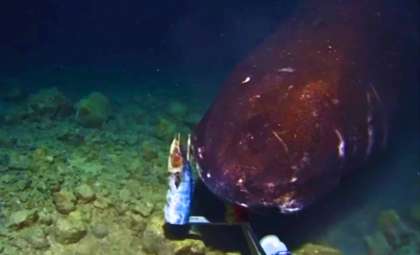
This breakthrough was enabled by state-of-the-art deep-ocean exploration technology. Utilizing an autonomous lander equipped with baited traps and monitoring devices, scientists collected specimens from unprecedented depths. Immediate freezing upon retrieval preserved the animals for comprehensive anatomical and genetic examination. This achievement reflects the crucial role of interdisciplinary teamwork in modern marine science.
“By combining expertise, our team verified Dulcibella camanchaca as a previously unknown species, highlighting continuous biodiversity discoveries in the Atacama Trench. This underscores the necessity for ongoing deep-sea exploration, particularly along Chile’s coasts,” stated Dr. Carolina González, co-lead author from the Instituto Milenio de Oceanografía (IMO).
Survival in an Extreme Realm
Life in the hadal environment demands extraordinary specialization. Dulcibella camanchaca’s powerful raptorial limbs enable it to hunt successfully in an ecosystem where food is scarce and competition is intense. Such adaptations are critical for survival amid severe resource constraints.
The trench’s isolation amidst nutrient-rich upper layers fosters a distinctive ecological niche. Ongoing research promises to reveal more species with fascinating survival strategies, potentially informing our understanding of life in other extreme settings, including beyond Earth.
Safeguarding Mysterious Deep-Sea Habitats
The identification of Dulcibella camanchaca highlights the scientific and conservation importance of deep-sea environments. Emerging challenges like climate change, pollution, and deep-sea mining threaten these delicate ecosystems. Gaining a comprehensive picture of Atacama Trench biodiversity is vital to inform preservation efforts.
With advancing exploration technologies, scientists will unlock further secrets from these remote depths, enhancing knowledge of evolution and ecosystem resilience. Each new finding reveals more about life's ability to endure under Earth’s harshest conditions.
“We anticipate more exciting discoveries as investigations in the Atacama Trench continue,” Dr. González concluded.
- Categories:
- News











0 comments
Sign in to Comment