
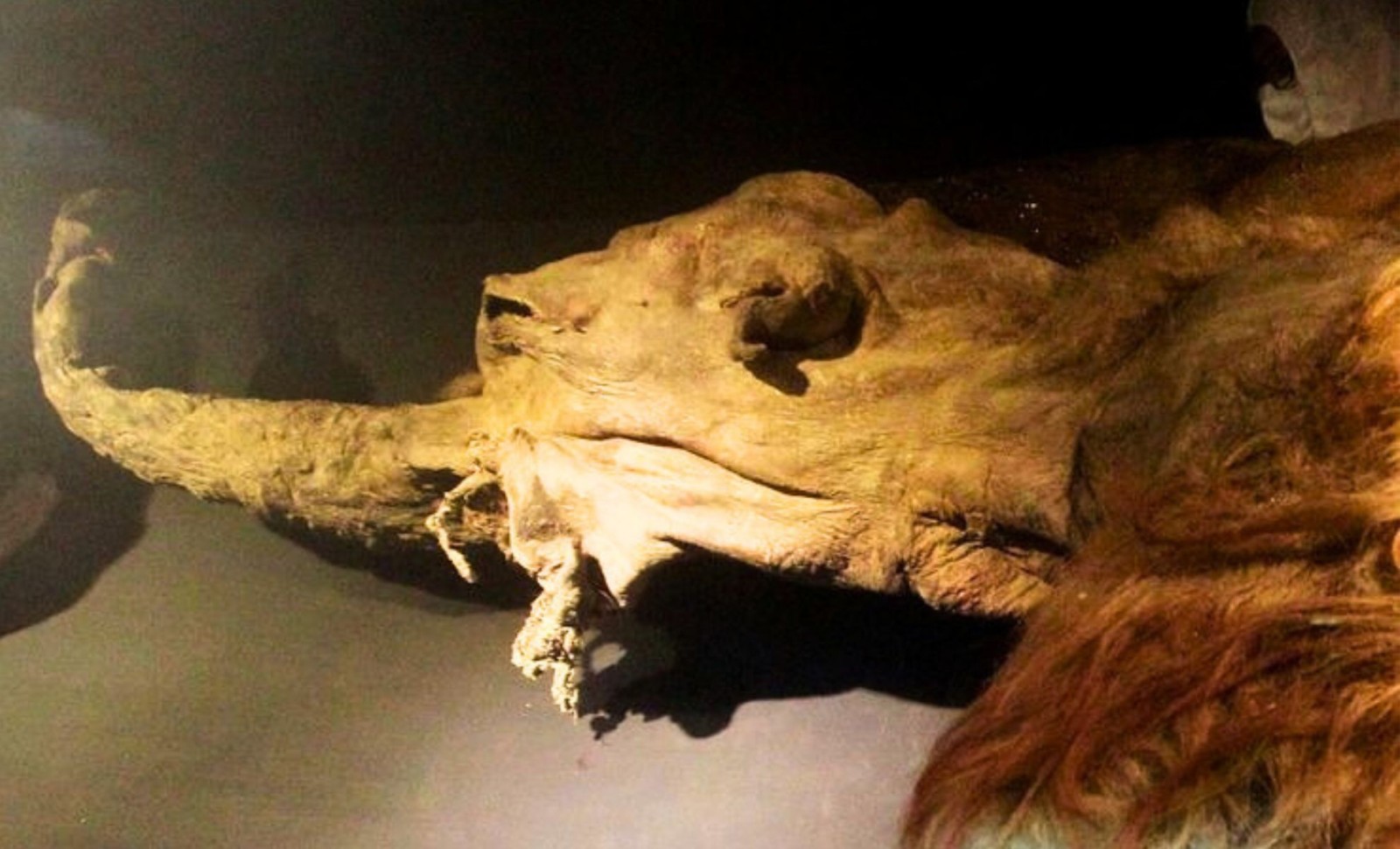
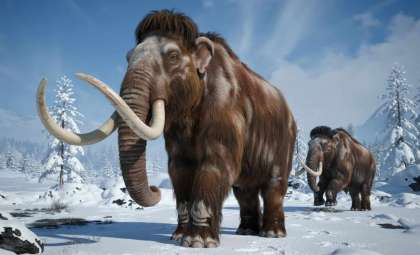
Scientists have extracted fully intact RNA molecules from a woolly mammoth that perished nearly 40,000 years ago in Siberia. This marks the most ancient RNA ever sequenced from an extinct vertebrate and represents the first successful isolation of RNA from a mammoth specimen.
This groundbreaking discovery challenges previous assumptions about how long RNA can persist after an organism's death. RNA molecules are known to be fragile and were believed to degrade within days, yet tissues preserved in the thawing permafrost of northeastern Siberia revealed otherwise.
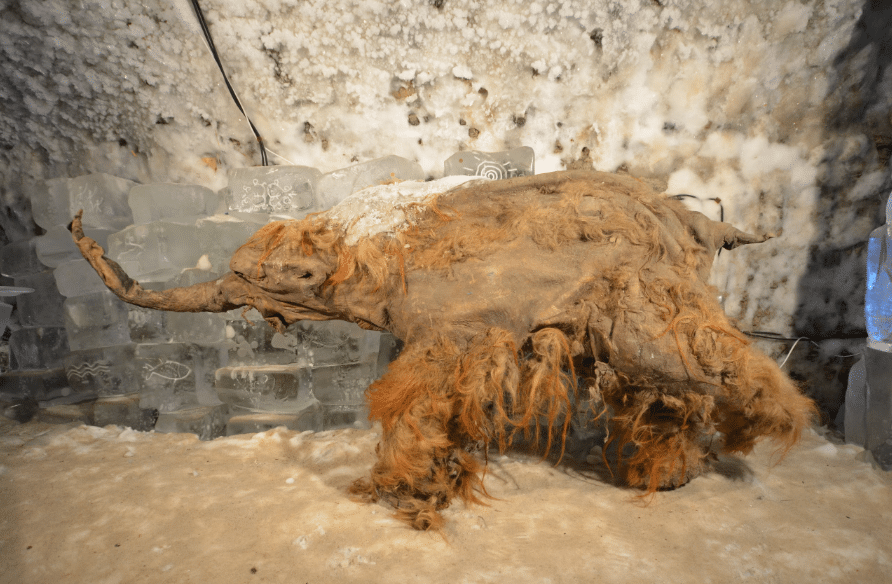
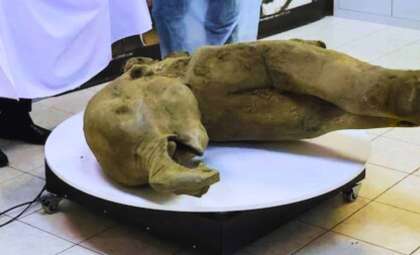
The ancient RNA was retrieved from muscle tissue of a juvenile mammoth called Yuka, providing valuable insights into genetic functions during the mammoth’s last moments. Beyond historical significance, this breakthrough holds promise for enhancing studies into extinct species’ characteristics that are crucial in current de-extinction initiatives.

RNA Surviving Beyond Expectations
Previous recoveries of ancient RNA mostly involved relatively recent specimens, such as a 5,300-year-old ice mummy from Europe or 130-year-old preserved tissue from a Tasmanian tiger. Until now, the oldest recovered RNA dated back only 14,300 years from a Siberian canid. In contrast, Yuka’s RNA is nearly triple that age.
“Finding RNA that has endured for 40,000 years is astonishing. It was widely assumed impossible,” commented Marc Friedländer, a computational biologist at Stockholm University, in remarks to GB News.
The samples taken from Yuka’s hind leg contained RNA fragments connected to genes responsible for muscle function and metabolic stress responses. This suggests the mammoth was under physical strain shortly before death—likely due to trauma consistent with a cave lion attack, as indicated by deep scratch wounds on its body.
Yuka was discovered in 2010 by indigenous Yukagir hunters near the Siberian Arctic coastline. The permafrost environment preserved key aspects of its body, including reddish fur, brain tissue, and pink muscle, ranking Yuka among the best-preserved mammoths known.
Clarifying Genetic Identity
Analysis of the RNA also rectified a previous classification error: although Yuka was initially identified as female based on external traits, genetic sequencing confirmed it was male, overturning prior conclusions.
“Mistakes like this are not uncommon in paleogenetics,” explained Love Dalén, an evolutionary geneticist at Stockholm University, as reported by GB News. He attributed the misidentification to tissue degradation and incomplete preservation around the genital area.
The team also detected unique microRNA molecules—small regulatory RNA sequences never before seen in living animals. According to Dr. Emilio Mármol, a lead study author quoted in the Daily Mail via GB News, these may be exclusive to mammoths or their close elephant relatives.
Unlocking Traits and Ancient Viral Secrets
While the discovered RNA does not enable cloning or direct species resurrection, it opens fresh genetic vistas that may inform future de-extinction science. Ancient RNA could elucidate how Ice Age megafauna regulated fur thickness, thermal adaptation, and fat storage.
“RNA profiles from mammoths could in the future tell us how certain traits, like mammoth hair, were controlled genetically,” Dalén explained to GB News.
This knowledge could bolster synthetic biology projects, including those at Colossal Biosciences, which aims to recreate mammoth characteristics in modern elephants to restore ecosystems.
Moreover, there is growing curiosity about ancient RNA's capacity to reveal long-extinct viruses—since many viruses use RNA as their genetic material. Researchers anticipate uncovering Ice Age viral genomes trapped within frozen tissues.
Although Yuka showed no evidence of active viral infection, co-author Love Dalén told National Geographic that other permafrost remains may hold RNA viruses, offering a glimpse into the evolution of RNA viruses, including those resembling Ebola or zoonotic pathogens.
“If you’re investigating a specimen that has a relatively high viral load in the tissue, we should be able to isolate those RNA viruses,” Dalén said.
Rapid Arctic Thaw Opens a Genetic Window to the Past
With the Arctic permafrost melting faster due to climate change, new discoveries of Ice Age species are emerging. Remains of saber-toothed cats, prehistoric birds, and other megafauna have surfaced, acting as natural molecular archives.
This latest extraction shows that RNA can persist far longer than previously believed—surviving for tens of thousands of years under ideal conditions. This finding transforms our understanding of genetic degradation, preservation, and biochemical signatures of death.
Each excavation provides scientists not only glimpses of ancient life’s appearance but also clues about its biological functions in moments before extinction. These advances pioneer the field of forensic paleogenomics.
Further technical discussions on RNA extraction and molecular decay are detailed in publications within Oxford Academic’s MBE journal and previous studies archived on ScienceDirect.
- Categories:
- Science







0 comments
Sign in to Comment