
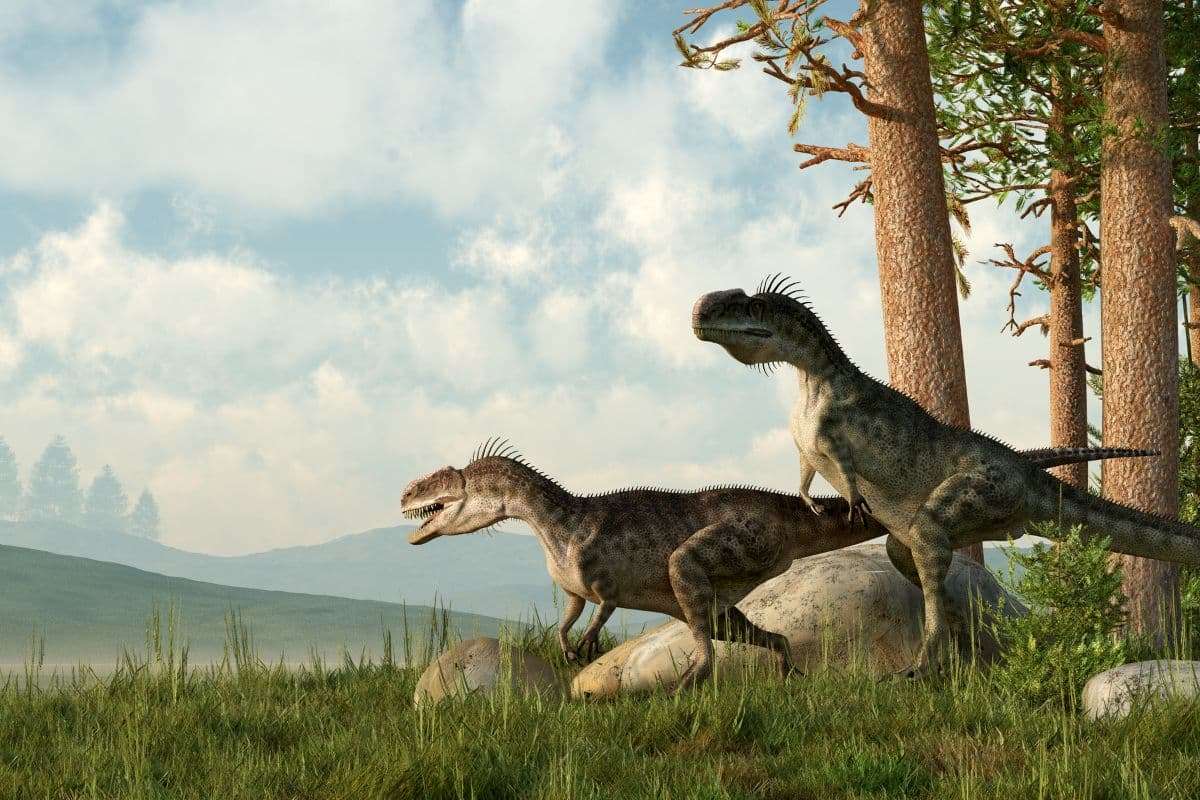
For many years, scientists have accepted that a massive asteroid collision 66 million years ago was responsible for the extinction of the dinosaurs, initiating a global climate catastrophe often described as an ‘impact winter.’
The prevailing explanation stated that the Chicxulub asteroid’s impact released enormous amounts of sulfur and other particles, causing severe global cooling that devastated life on Earth. Yet, a recent groundbreaking study brings a fresh perspective by calling into question the true quantity of sulfur emitted during this event.
A Revised Perspective on Dinosaur Extinction
The research, led by chemist Katerina Rodiouchkina, revisited the environmental consequences following the Chicxulub impact. Instead of focusing solely on the immediate aftermath, the team analyzed core samples extracted from the Mexican crater to examine the sulfur isotopic makeup and more precisely assess sulfur emissions into the atmosphere.
Findings revealed that earlier sulfur release estimates were overblown by approximately a factor of five. This suggests that the post-impact climate adjustment was far less severe than formerly thought, indicating a more moderate cooling phase.
Reevaluating the Impact Winter Hypothesis
Previously, experts believed the asteroid collision triggered a ‘nuclear winter’ scenario, characterized by a sharp temperature drop caused by atmospheric soot, dust, and sulfur compounds blocking sunlight. This prolonged chilling was assumed to be the main driver behind the mass extinction.
However, this new study provides solid data indicating sulfur emissions were considerably lower than prior approximations. The researchers estimated total sulfur released at approximately 67 ± 39 billion tons, much less than originally projected.

Implications for Earth’s Biota
If the impact event led to a gentler and shorter-lived cooling than believed, it explains how an estimated quarter of Earth's species survived the catastrophe. The milder environmental changes allowed some organisms to adapt or find refuge, facilitating the persistence of certain plants and animals despite the disruption.
This survival window underscores the resilience of life amid significant planetary disturbances.
The Influence of Sulfur on Climate and Extinction
Sulfur compounds play a critical role in modulating climate by reflecting solar radiation and inducing cooling. While this study confirms sulfur’s participation, it also reveals that its impact was not as overwhelming as once assumed. This shift in understanding could reshape viewpoints on various mass extinction events linked to atmospheric disturbances triggered by extraterrestrial impacts.
Moreover, these findings have broader relevance for assessing how ecosystems might respond to climatic factors such as climate change or volcanic eruptions, highlighting the complex interplay between environmental stressors and biological survival.
Revisiting the Chicxulub Impact's Legacy
This investigation marks a pivotal evolution in our comprehension of the Chicxulub asteroid event. Although the collision unquestionably had devastating effects, the tempered sulfur emissions imply the resulting cooling was less extreme and shorter in duration than previously believed. Instead of an extended global freeze, Earth’s climate rebounded relatively swiftly, offering a lifeline to certain species across the extinction boundary.
Ongoing research focused on detailed environmental analysis continues to illuminate how life endured one of Earth’s most profound crises.
- Categories:
- Science









0 comments
Sign in to Comment