
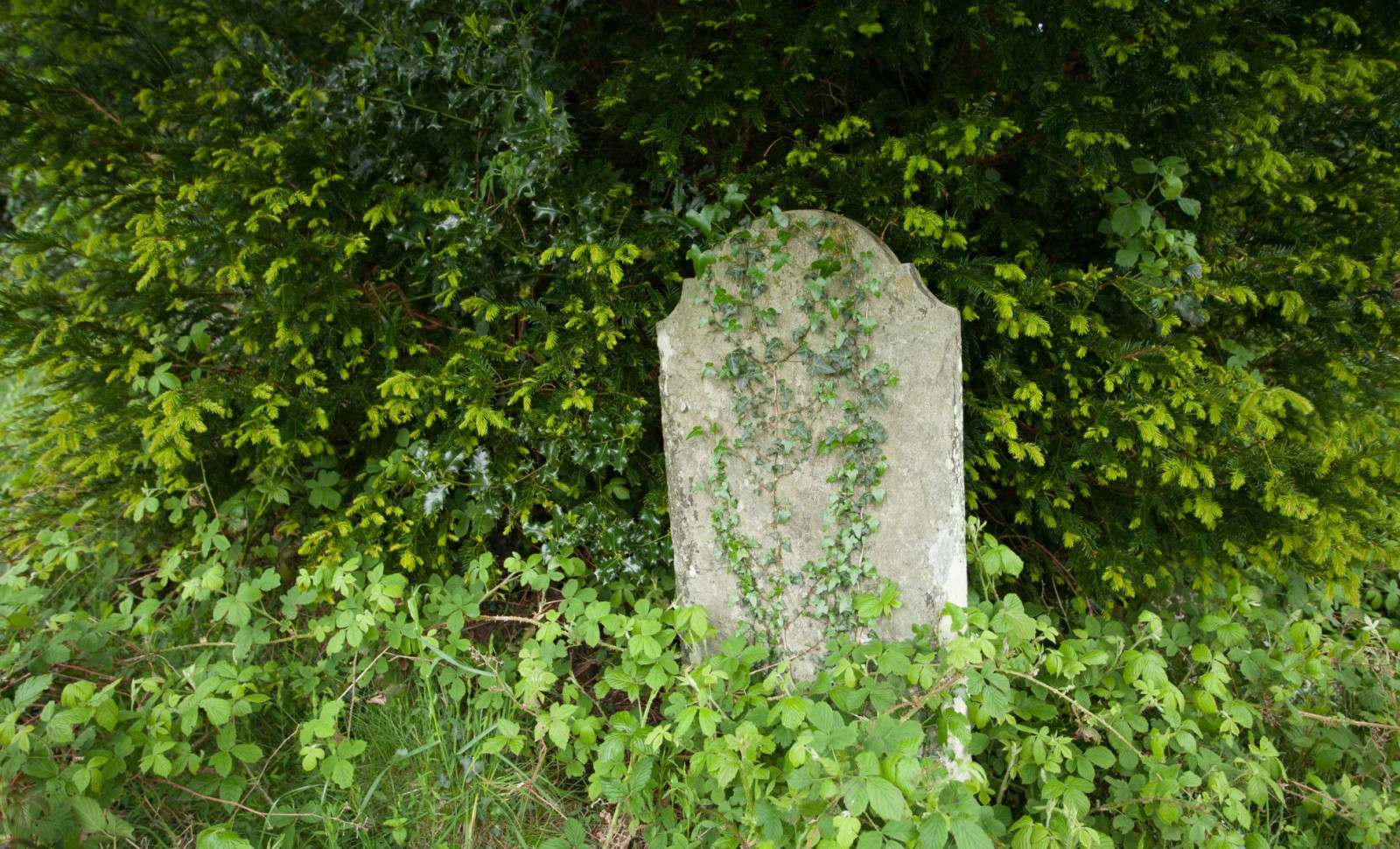
A New Orleans couple uncovered an almost 2,000-year-old Roman gravestone while tidying their backyard. The marble relic was connected to a museum in Italy where it had been missing for decades before its eventual repatriation.
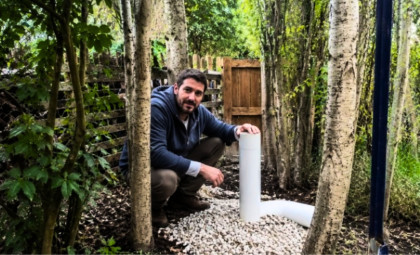
Daniella Santoro, an anthropologist at Tulane University, along with her husband Aaron Lorenz, found a marble slab engraved with Latin text beneath dense vegetation behind their Carrollton neighborhood home. Initially suspecting it was from a local historic cemetery, Santoro reached out to D. Ryan Gray, an anthropology professor at the University of New Orleans, for assistance.
The finding rapidly gained international interest. Scholars at both the University of Innsbruck and Tulane University translated the inscription, arriving at a remarkable consensus regarding its origin.

Identification of the Tombstone’s Subject
The Preservation Resource Center of New Orleans reports that the inscription was independently deciphered by experts at the University of Innsbruck and Tulane University, who confirmed it commemorates Sextus Congenius Verus. He belonged to the Bessi tribe of Thrace, lived to 42 years old, and served 22 years aboard the trireme Asclepius. His heirs, Atilius Carus and Vettius Longinus, had commissioned the monument.
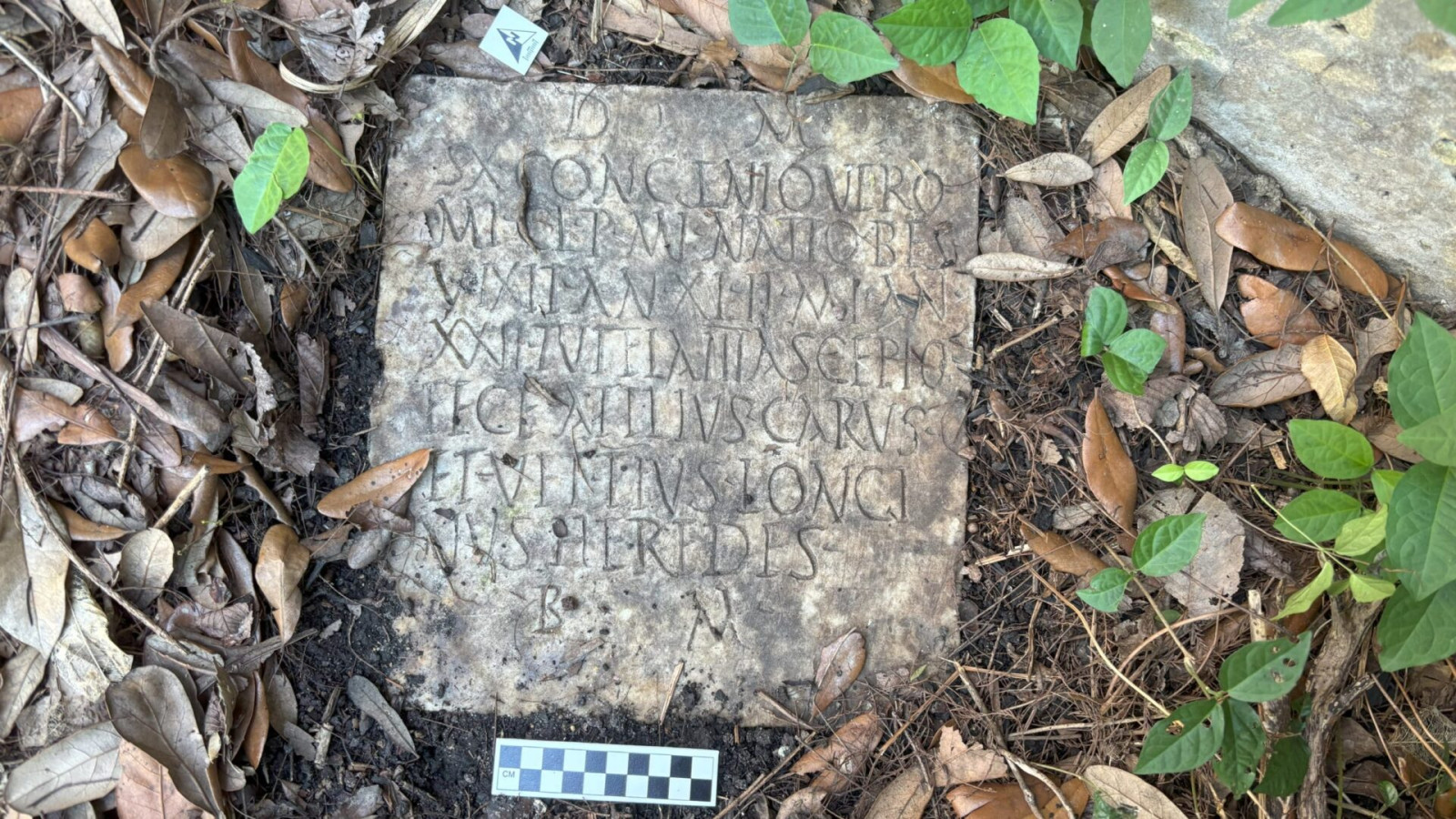
It soon became clear the inscription was not new to scholars. The Preservation Resource Center of New Orleans states an identical monument had been cataloged previously at the civic museum in Civitavecchia, near Rome, but vanished many years prior. This revelation came as a surprise to D. Ryan Gray, who reflected:
“I never feel like I’ve seen it all. There are always surprises and new mysteries to solve.”
Tracing Its Disappearance to WWII in Italy
To investigate how the grave marker disappeared, Susann Lusnia, associate professor of classical studies at Tulane, visited Italy during planned research. Museum officials revealed that Allied air raids severely damaged Civitavecchia in 1943 and 1944, destroying the local museum and causing the loss of many artifacts.
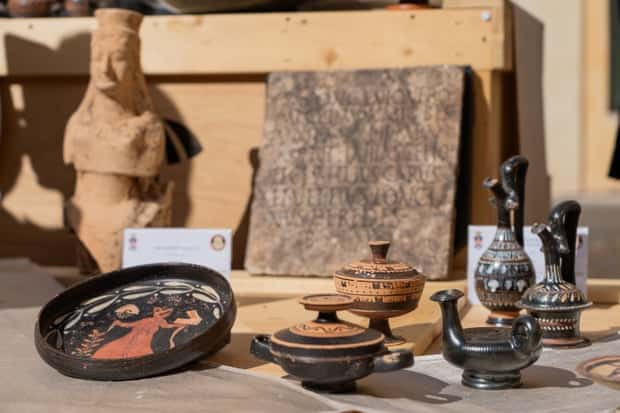
Lusnia also verified that the 34th Division of the U.S. Fifth Army moved through Civitavecchia following Rome’s liberation, with some troops stationed nearby. This historical connection suggests a possible pathway for the tombstone’s journey to the United States, though who transported it remains unknown.
Local Insight Sheds Light on Its Modern History
After the discovery made headlines locally, former homeowner Erin Scott O’Brien recognized the artifact and reached out to investigators.
Preservation in Print reported that O’Brien recalled placing the stone in the yard about 20 years ago while planting a tree, assuming it was a decorative piece.
“I just thought it was a piece of art,” O’Brien said. “I had no idea it was a 2,000-year-old relic.”
She further explained that the tombstone had belonged to her grandfather, Charles Paddock Jr., a U.S. Army serviceman stationed in Italy during World War II. He returned to New Orleans with his wife, Adele, whom he met overseas, in 1946. The marble artifact stayed in the family home for decades until O’Brien inherited it after her grandparents’ passing in the 1980s.
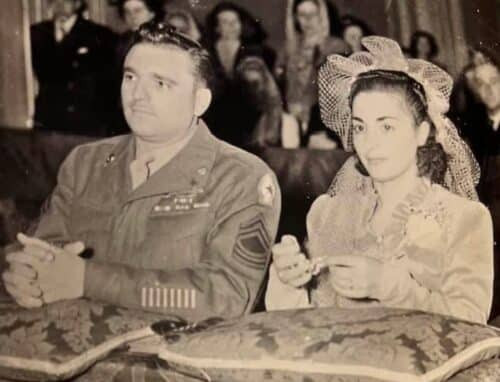
Though much of the artifact’s history has been pieced together and it has been repatriated to Italy, one mystery remains: how exactly Charles Paddock Jr. acquired the tombstone before bringing it stateside is still unclear.
- Categories:
- News








0 comments
Sign in to Comment