
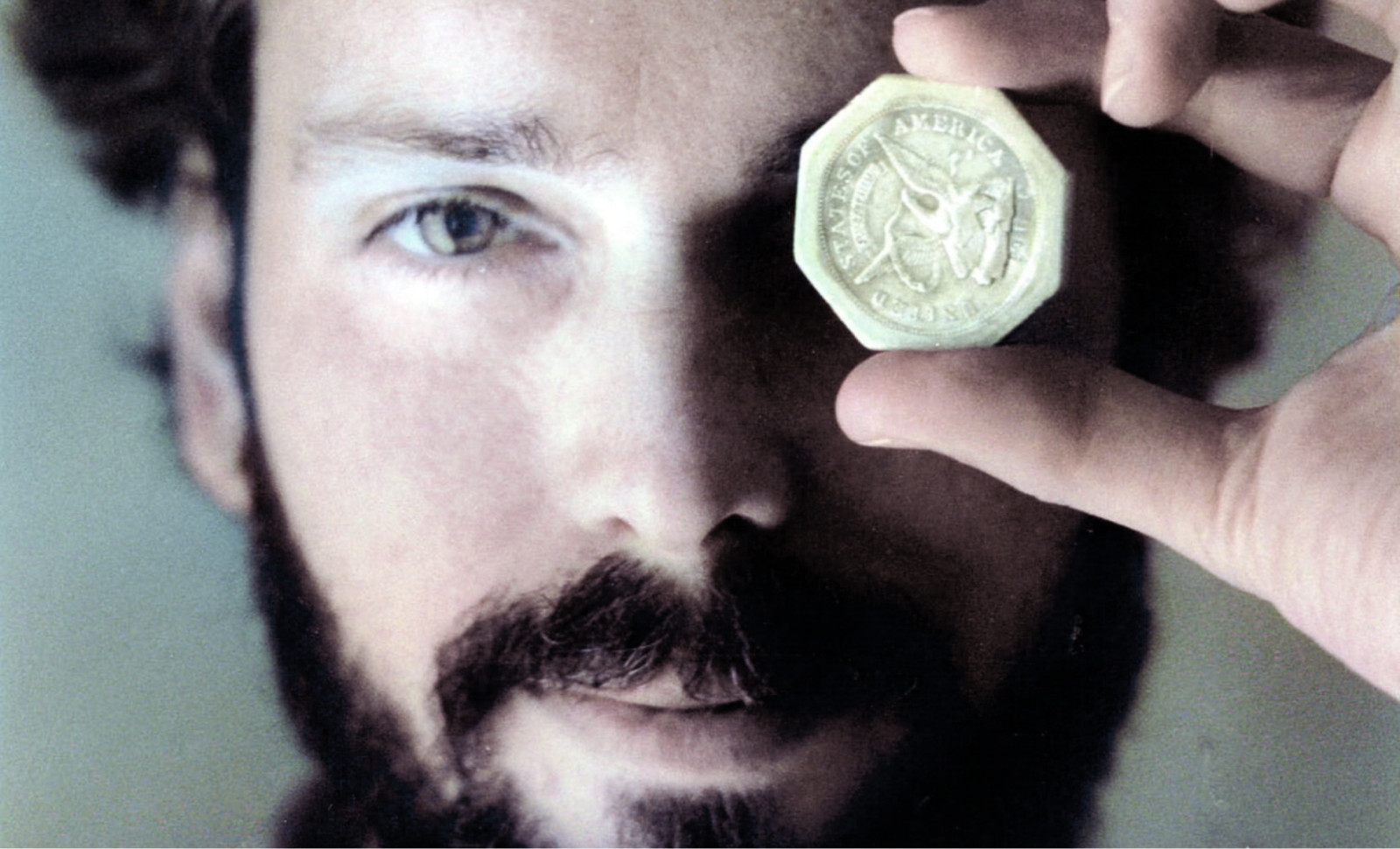
Tommy Thompson has finally walked free from federal prison, concluding a remarkable chapter in one of the most unusual legal sagas connected to a modern maritime treasure hunt. The engineer credited with locating the S.S. Central America found himself entangled in a complex courtroom drama that extended well beyond the initial excitement of uncovering the legendary wreck. By the time of his release, the man once celebrated for his pioneering salvage work became notorious for a legal mystery that never found resolution.
This unresolved issue shadowed Thompson far longer than his famed Atlantic expedition. His imprisonment was an uncommon outcome in shipwreck recovery disputes, rooted not in new discoveries but in disagreements over treasure already recovered, sold, and fiercely contested in court.
Decades before Thompson became embroiled in controversy, the wreck itself was infamous. Known as the Ship of Gold, the S.S. Central America sank in September 1857 after falling victim to a fierce hurricane along the Carolina coast. Onboard were passengers, crew, and a substantial cargo of gold en route from San Francisco during a critical economic period for the United States.

The Shipwreck That Shook the Economy
The disaster was more than a maritime tragedy; it contributed to financial turmoil. According to the Library of Congress, the failure of the New York branch of the Ohio Life Insurance and Trust Company on August 24, 1857 was a key trigger for the Panic of 1857. The subsequent sinking of the S.S. Central America just weeks later deepened the economic fear gripping the nation.
The catastrophe claimed the lives of 425 people and sank thousands of pounds of gold with them. This loss transformed the wreck into a legend long before technology allowed salvagers to reach it. For over a hundred years, the treasure lay undisturbed on the seafloor, representing both a powerful symbol of the Gold Rush era and a mystery about lost wealth.
In 1988, Thompson and his team at the Columbus-America Discovery Group located the wreck nearly 7,000 feet (2.13 km) beneath the Atlantic Ocean. The recovery was one of the era’s most significant deep-sea salvage feats, yielding coins, bars, and ingots tied directly to the California Gold Rush. Initially, Thompson was hailed as a trailblazer who had unlocked a century-old oceanic secret.
The Turning Point in the Treasure Narrative
The narrative changed as financial disputes arose years later. CBS News reports that in 2005, investors sued Thompson, claiming they had yet to receive their share of about $50 million from gold sales. The dispute wasn’t over the find itself but focused on the distribution of the recovered treasure and a set of coins that both authorities and investors demanded be produced.
By 2012, Thompson had missed a court appearance and vanished. He was later apprehended in Florida in 2015, living under an alias. The case shifted from a treasure hunt controversy to a protracted legal standoff centered on Thompson’s refusal to disclose information. Crucially, 500 gold coins valued around $2.5 million remained unaccounted for.
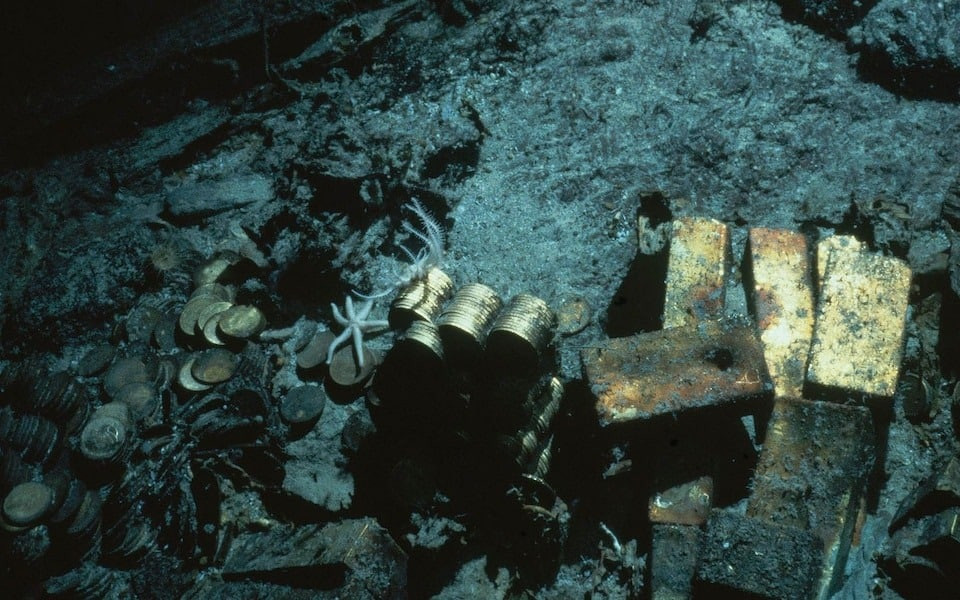
Thompson repeatedly informed the court that he could not provide the whereabouts of the missing coins. According to recent AP and CBS News reports, he claimed the coins had been placed into a trust in Belize, beyond his control. Judges remained skeptical, leading to nearly a decade of incarceration for Thompson while he either refused or professed inability to reveal the treasure’s location.
Release After Prison Term Leaves the Mystery Unsolved
Thompson’s release is notable because the core issue remains unanswered. Reports indicate that Judge Algenon Marbley determined that further detaining Thompson was unlikely to yield new information. After serving a separate two-year sentence for skipping a 2012 hearing, Thompson exited prison recently.
The S.S. Central America’s gold continues to captivate collectors and historians alike. In 2019, Numismatic News highlighted that five out of the six highest-value lots at Heritage Auctions’ Long Beach sale were gold ingots from the wreck. The most valuable piece, a 174.04-ounce ingot from Harris, Marchand & Co., fetched $528,000, contributing to an auction total exceeding $11 million.
Even larger treasures have commanded higher prices. On January 14, 2022, Heritage Auctions sold a Justh & Hunter ingot weighing 866.19 ounces (32.74 kg) for $2.16 million, noted as the largest of its kind from the wreck ever auctioned. These sales illustrate how the ship’s treasures persist, living on through passionate collectors and auction houses rather than underwater.
The Enduring Value of a Lost Treasure
Some artifacts became famous well before the latest auctions. In 2001, SFGATE reported that an 80-pound bar called Eureka sold for $8 million. Made by Kellogg & Humbert, this ingot demonstrated that relics from the S.S. Central America could hold significant standalone value, apart from the ongoing legal battles involving Thompson.
Today, the tale takes an unusual form: while Thompson is free, the mystery of the 500 missing gold coins remains unresolved. Nearly 169 years following the sinking, the legacy of the S.S. Central America continues to intertwine tangible historic wealth with an enigmatic judicial saga.
- Categories:
- News













0 comments
Sign in to Comment