
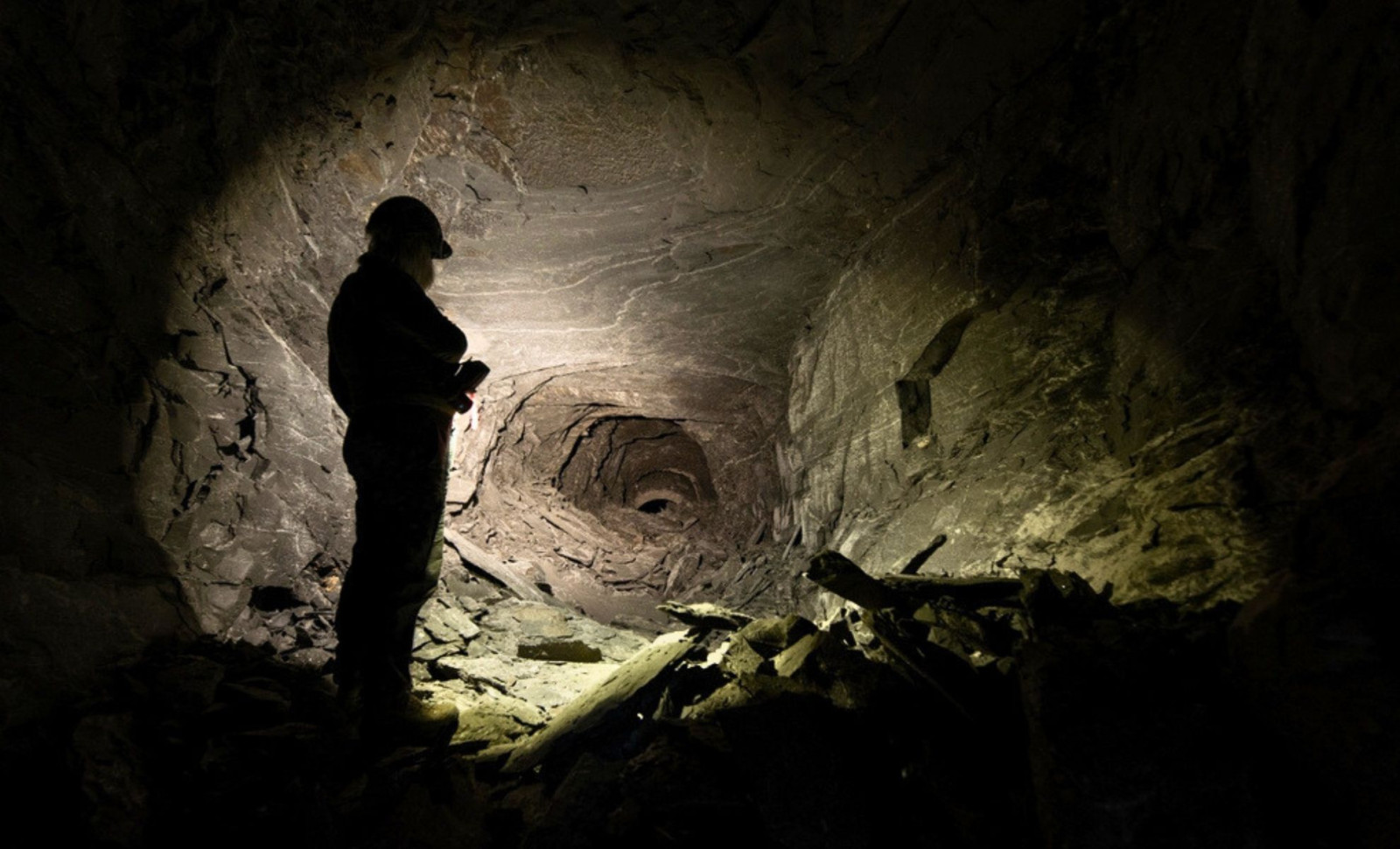
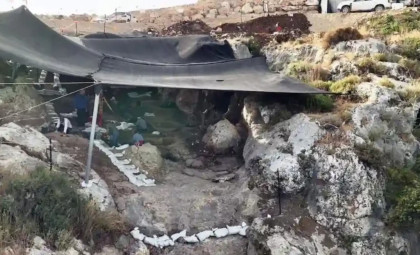
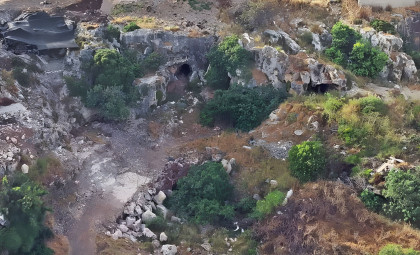
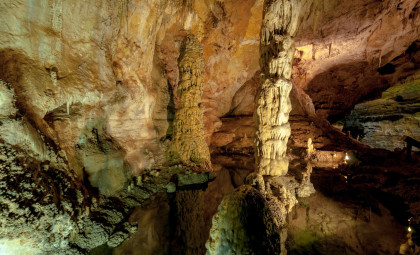
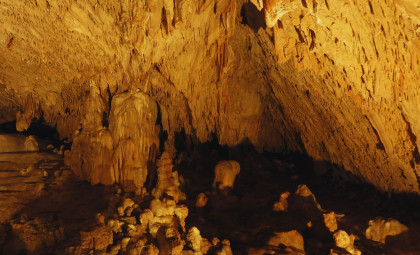
Archaeologists have uncovered a prehistoric cave estimated to be between 400,000 and 250,000 years old on the outskirts of Fureidis, a town located south of Haifa near the Zikhron Ya’akov junction. The Israel Antiquities Authority described this site as an extraordinary time capsule that remained sealed for hundreds of millennia, preserving its ancient contents intact.
The excavation, funded by the Ayalon Highways Company, is being led by Dr. Kobi Vardi and Amit Gabbay from the Israel Antiquities Authority, in collaboration with Prof. Ron Shimelmitz of the Zinman Institute of Archaeology and the School of Archaeology and Maritime Cultures at the University of Haifa.
This cave is attributed to the Acheulo-Yabrudian culture, known from the Levant region during the final stages of the Lower Paleolithic period, preceding the spread of Neanderthals and early modern humans.

An Ancient Site Preserved Through Time
Experts refer to the cave as a time capsule due to its long-lasting sealed condition, which sheltered it from external influences and preserved its archaeological record exceptionally well. Such extensive preservation is rare and elevates the significance of this discovery compared to other prehistoric locations nearby.
Prof. Shimelmitz expressed how privileged the team felt to excavate such a critical site, highlighting the unique circumstances that protected the cave’s contents from decay. He pinpointed the cave's temporal context at a narrow phase toward the close of the Lower Paleolithic era, just before the rise of Neanderthals and modern humans as dominant species in the region.
Dr. Vardi, head of the Prehistory Branch at the Israel Antiquities Authority, emphasized how infrequent it is to discover sites preserved at this extraordinary level. He compared its importance to the renowned Nahal Me’arot site, dating from the same era, and noted the exceptional opportunity it affords for in-depth research into early human life.
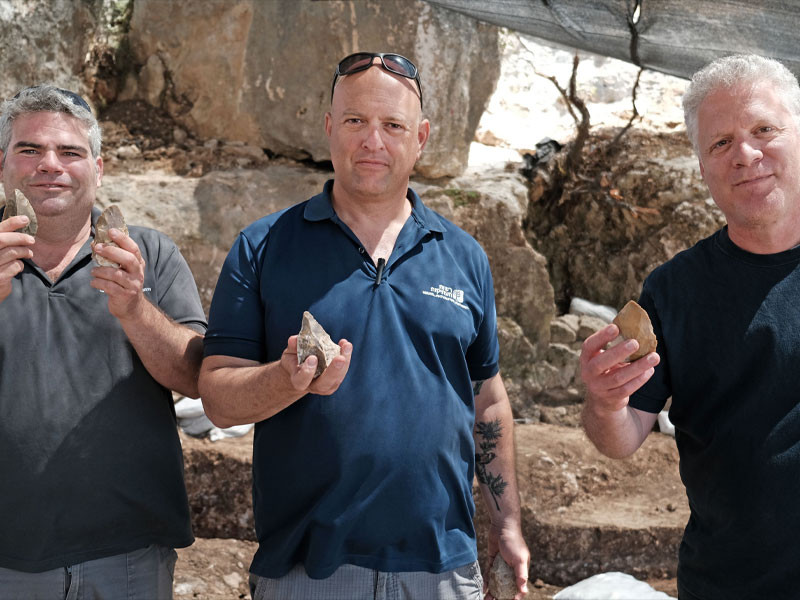
Given the rarity of well-preserved sites from this specific timeframe, every piece of data gleaned from the cave is significant. The archaeological team views this discovery as a rare window into the everyday activities and environment of a poorly understood chapter in prehistory.
Artifacts and Faunal Remains Indicate Recurrent Human Habitation
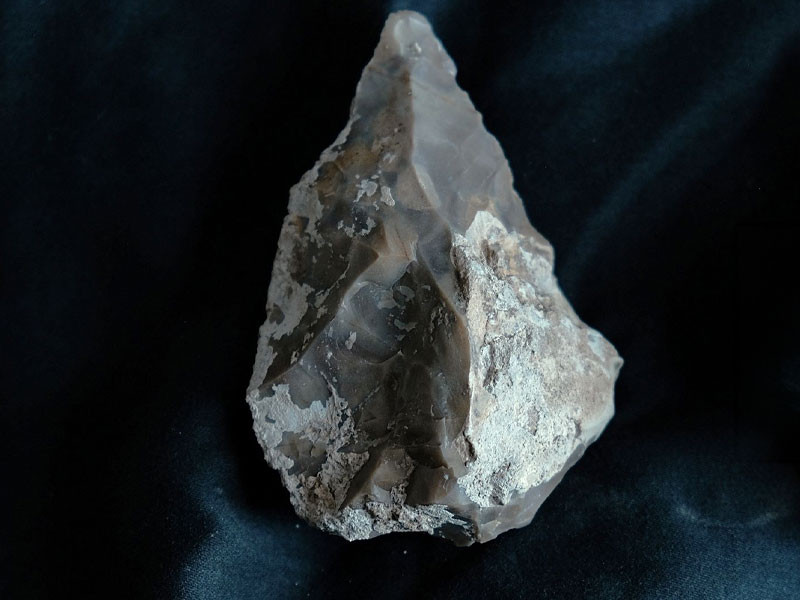
Excavation revealed a variety of flint implements inside the cave, including finely crafted handaxes, blades, and scrapers. As reported by The Jerusalem Post, these tools exemplify advanced workmanship typical of the Acheulo-Yabrudian culture, known for advancing stone tool techniques during the Lower Paleolithic.
Handaxes functioned as multipurpose cutting instruments, while scrapers and blades served specific roles. Finding a diverse toolkit supports the idea that the cave's inhabitants engaged in various daily tasks rather than merely passing through.
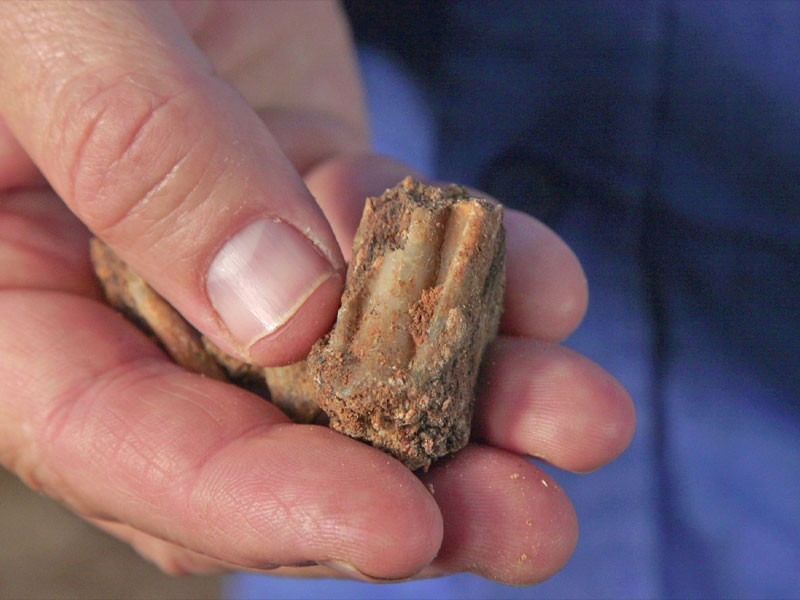
Animal bones from species such as fallow deer, gazelle, and prehistoric horses were also discovered. These remains shed light on local wildlife from that era and, together with the tools, indicate that hunting and processing of game animals took place at this recurrent campsite.
Additionally, signs of water availability at the site suggest it likely attracted prehistoric hunter-gatherers seeking dependable resources. The combination of tool fragments, animal remains, and evidence of water reinforces the interpretation that this location was used repeatedly rather than temporarily visited.
Insight Into a Crucial Transitional Epoch
Prof. Shimelmitz pointed out that this phase, positioned near the end of the Lower Paleolithic, comes just before Neanderthals and modern humans became predominant in the area. The site captures early developments in human anatomy, technology, and societal patterns that presaged the distinct characteristics of both species.
He noted that these shifts can be seen as the initial foundations of cultural complexity that later emerged. A key change during this time was the trend toward larger group living and longer-term occupation of settlements, rather than brief stays.
Discoveries from comparable caves reveal consistent fire use and extended human presence, suggesting established camp life. This shift likely correlates with increased social cooperation and knowledge transfer—crucial factors in human evolution.
Because few sites from this critical interval have survived so well, this cave offers an exceptional opportunity to study these evolutionary changes in greater detail. The findings promise to enrich broader understanding of behavioral developments leading up to the dominance of Neanderthals and modern humans.
Highway Development Spurs Groundbreaking Discovery
This archaeological project originated from a routine salvage excavation required before construction work in Israel, funded by the Ayalon Highways Company. Such pre-construction surveys aim to identify and protect archaeological remains ahead of development.
What started as a standard precaution unexpectedly evolved into a major research effort after the site's importance was recognized. The Israel Antiquities Authority and the University of Haifa are now collaborating to expand excavation and study, intending to reconstruct how people lived, adapted, and innovated during this ancient period.
The research team expressed gratitude toward the highway company for facilitating excavation alongside ongoing construction. They hope the site will soon be accessible to the public, including local residents, school children, and anyone interested in the region’s distant past.
- Categories:
- Science





0 comments
Sign in to Comment