

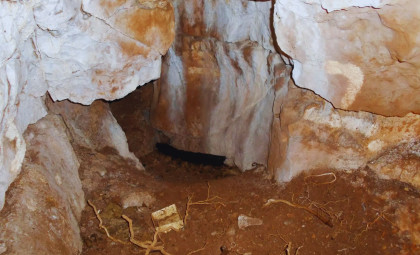
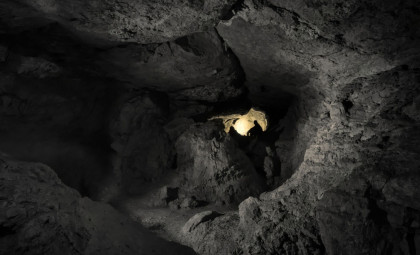
Hidden from the world for hundreds of millennia, a recently uncovered cave near Fureidis, Israel, reveals traces of human presence dating between 250,000 and 400,000 years ago.
Experts from the Israel Antiquities Authority and the University of Haifa report that the cave's pristine condition has safeguarded artifacts from an era with limited archaeological records. Among the findings are stone implements, animal bones, and indicators that early humans frequented the site extensively.
This location offers an exceptional glimpse into the Lower Paleolithic, a period with relatively few surviving sites, providing fresh insight into early human lifestyles and their adaptation long before modern civilizations emerged.

A Time Capsule Buried Underground
Situated south of Haifa near the Zikhron Ya’akov junction, the excavation team estimates the cave’s age between 400,000 and 250,000 years, linking it to the Acheulo-Yabrudian culture.
Early discoveries include flint tools such as handaxes, scrapers, and blades. These implements illustrate refined stone tool craftsmanship characteristic of the late Lower Paleolithic era.
“The culture we are investigating here was characterized by a variety of advanced methods for producing flint tools, including small sharp handaxes, scrapers, and blades,” said Dr. Kobi Vardi, co-director of the excavation and head of the Prehistory Branch at the Israel Antiquities Authority.

The research team is impressed not only by the volume of artifacts discovered but also by their exceptional preservation. As noted by Vardi, sites with such intact remains are exceptionally scarce, making this cave a rare treasure for studying ancient prehistory.
Insights into Evolving Human Lives
The era this cave represents predates when Neanderthals and anatomically modern humans dominated various parts of the globe. This was a critical phase marked by shifts in technology, social structures, and everyday behaviors.
Professor Ron Shimelmitz from the University of Haifa remarks that only a limited number of sites from this timeframe have been discovered in Israel and the Levant, and many are challenging to analyze thoroughly.
Shimelmitz adds that the transformations witnessed during this time set the foundation for behaviors seen later in both Neanderthals and modern Homo sapiens, underscoring the cave's potential to illuminate early human developments.
“We have been fortunate to excavate a unique site of global importance that has been protected from the ravages of time thanks to the exceptional conditions that existed here,” he said.
Discoveries Within the Ancient Cavern
Archaeologists have uncovered signs of extensive controlled fire use, a highlight among the site's fascinating finds. This evidence points to sustained human occupation over long periods.
Findings indicate what researchers describe as a complex and vibrant camp environment. Ongoing analysis aims to unravel how these early inhabitants structured their daily lives and utilized the cave and surrounding landscapes.
Animal bones unearthed within the cave further enrich the historical record. Vardi mentions the discovery of skeletal remains from fallow deer, gazelles, and an ancient horse species, including a fallow deer tooth. The presence of nearby water sources may explain why prehistoric hunter-gatherers favored this location.
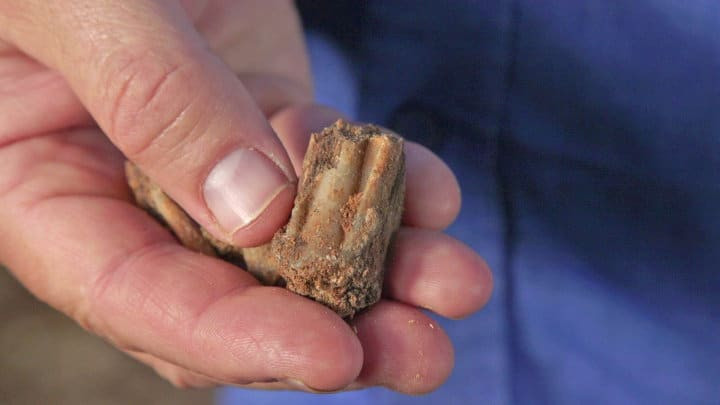
The team has launched an extensive research initiative to further analyze this cave, aiming to reconstruct how early humans thrived, adapted their technologies, and evolved culturally during a pivotal moment in human history.
- Categories:
- Science









0 comments
Sign in to Comment