
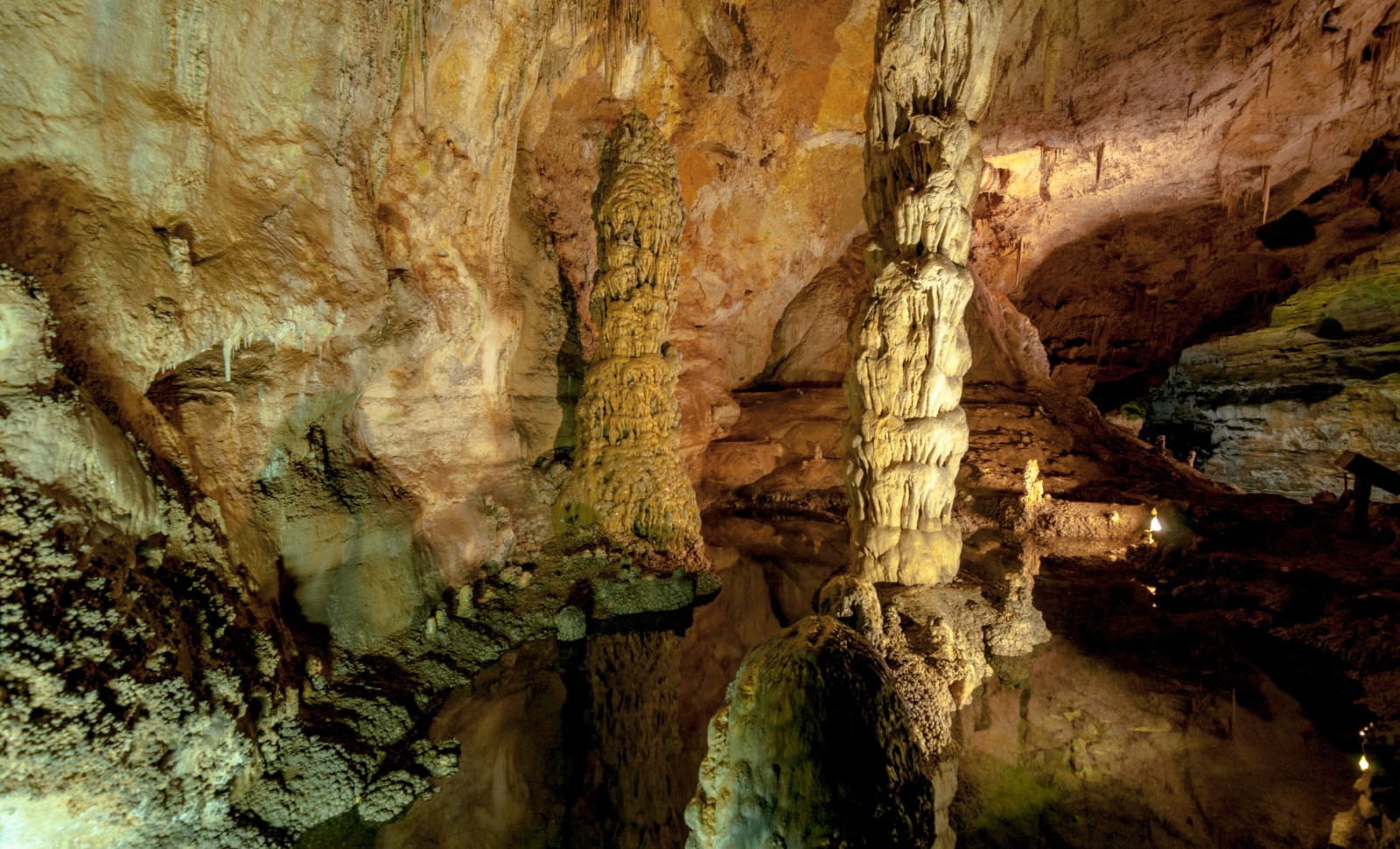
Hidden beneath the Guadalupe Mountains in New Mexico lies Lechuguilla Cave, an extraordinary subterranean marvel recognized for its massive crystal structures, distinctive geology, and a rare phenomenon where the cave appears to "breathe." This cavern has remained largely untouched and sealed off for millions of years.
The remote and intricate passages of Lechuguilla have captivated scientists, explorers, and filmmakers who seek to investigate this nearly unparalleled underground domain. Yet, a considerable portion of the cave still remains to be mapped.
An Underground System That "Breathes"
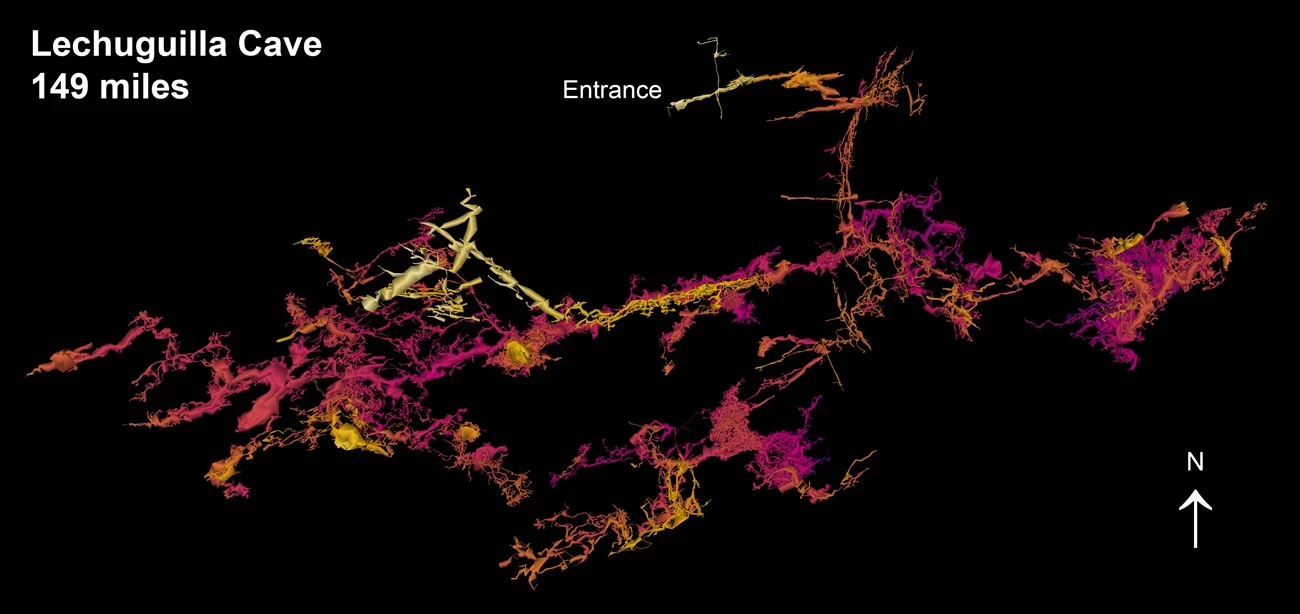
Situated inside Carlsbad Caverns National Park, Lechuguilla Cave spans an impressive 152.11 miles (244.80 kilometers), ranking it as the ninth-longest explored cave worldwide. Scientists date its origin to roughly five million years ago, as the cave extends deep within the Guadalupe Mountains. One of its most fascinating features is the cave’s ability to "breathe".

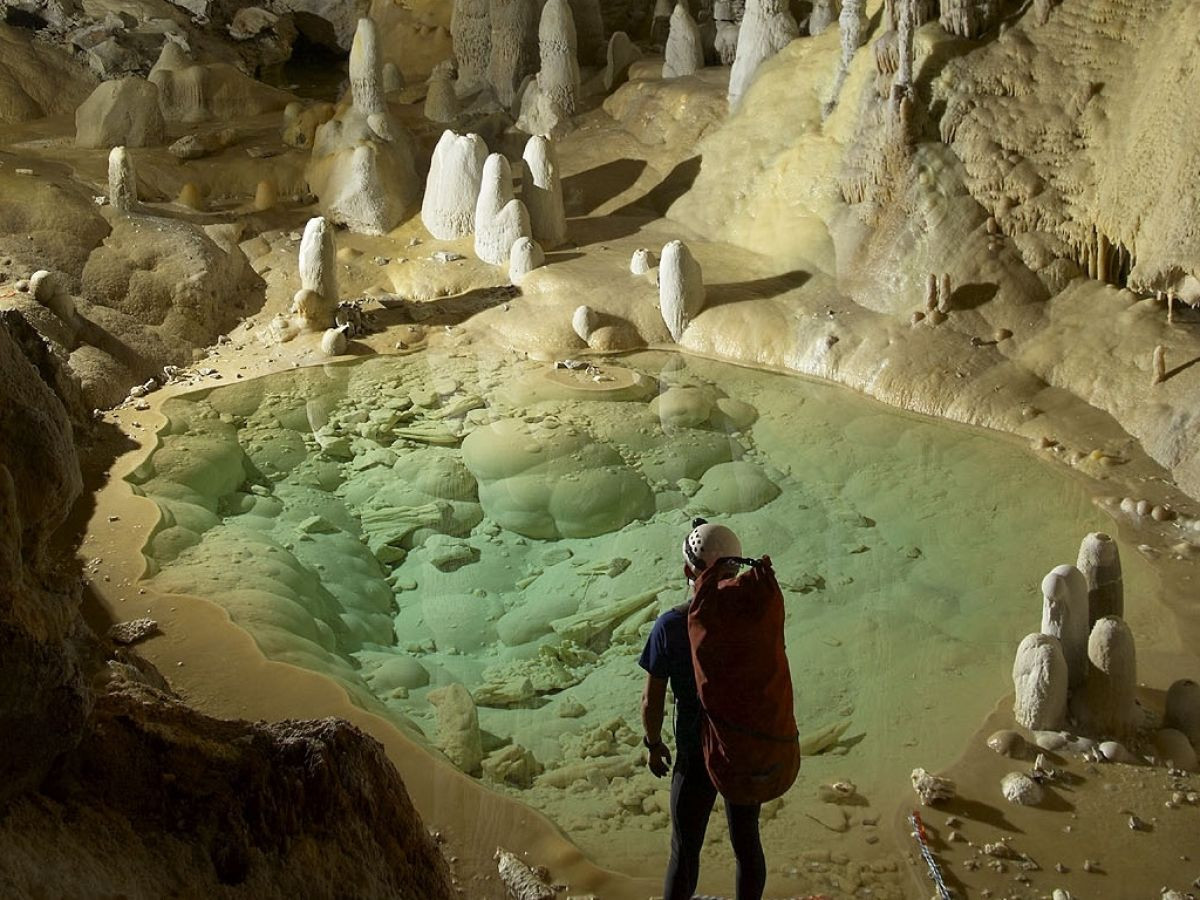
As external air pressure fluctuates, air is pushed through the cave’s chambers in and out. Although airflow is typical in caves, Discover Wildlife notes that such breathing is usually driven by temperature changes, not atmospheric pressure shifts.
Lechuguilla is part of a rare classification known as breathing caves. These caves primarily exist in the United States, with a handful found in Europe and Malaysia. There appears to be a connection between cave size and this breathing phenomenon, with four of the ten longest cave systems globally exhibiting it—Lechuguilla among them.
Enormous Crystals and Uncommon Mineral Deposits
Unlike most subterranean formations carved mainly by surface water, Lechuguilla formed through hypogenic processes, where water rises from below and mingles with rainfall before dissolving bedrock. This unique development explains the cave’s array of rare mineral structures. Among these are distinctive lemon-yellow sulfur deposits and large gypsum formations scattered throughout the cave system.
The most renowned feature is found within the Chandelier Ballroom, where vast gypsum crystal clusters hang from the ceiling like immense chandeliers, some measuring up to 20 feet (6.1 meters) in length.
This cavern has become emblematic of Lechuguilla’s grandeur and is hailed as one of the most spectacular subterranean chambers documented.
An Unforeseen Marvel Beneath the Surface
The cave gained broader recognition when the BBC’s Planet Earth crew filmed within its depths in the early 2000s. Access was challenging; the team spent over two years securing permission before embarking on an eight-hour journey to transport equipment inside.
Producer Huw Cordey recounted rappelling 60 meters down Boulder Falls in pitch-black darkness, entering a sequence of chambers whimsically named Snow White’s Passage, Tinseltown, Land of Awes, and Prickly Ice Cube Room.
The highlight, however, was the Chandelier Ballroom, where Cordey described encounters with gypsum crystals extending six meters from the ceiling.
“The sight was utterly other-worldly,” he said. “I felt as if I’d been miniaturised and stuck in a large empty freezer compartment.”
- Categories:
- Science

0 comments
Sign in to Comment