
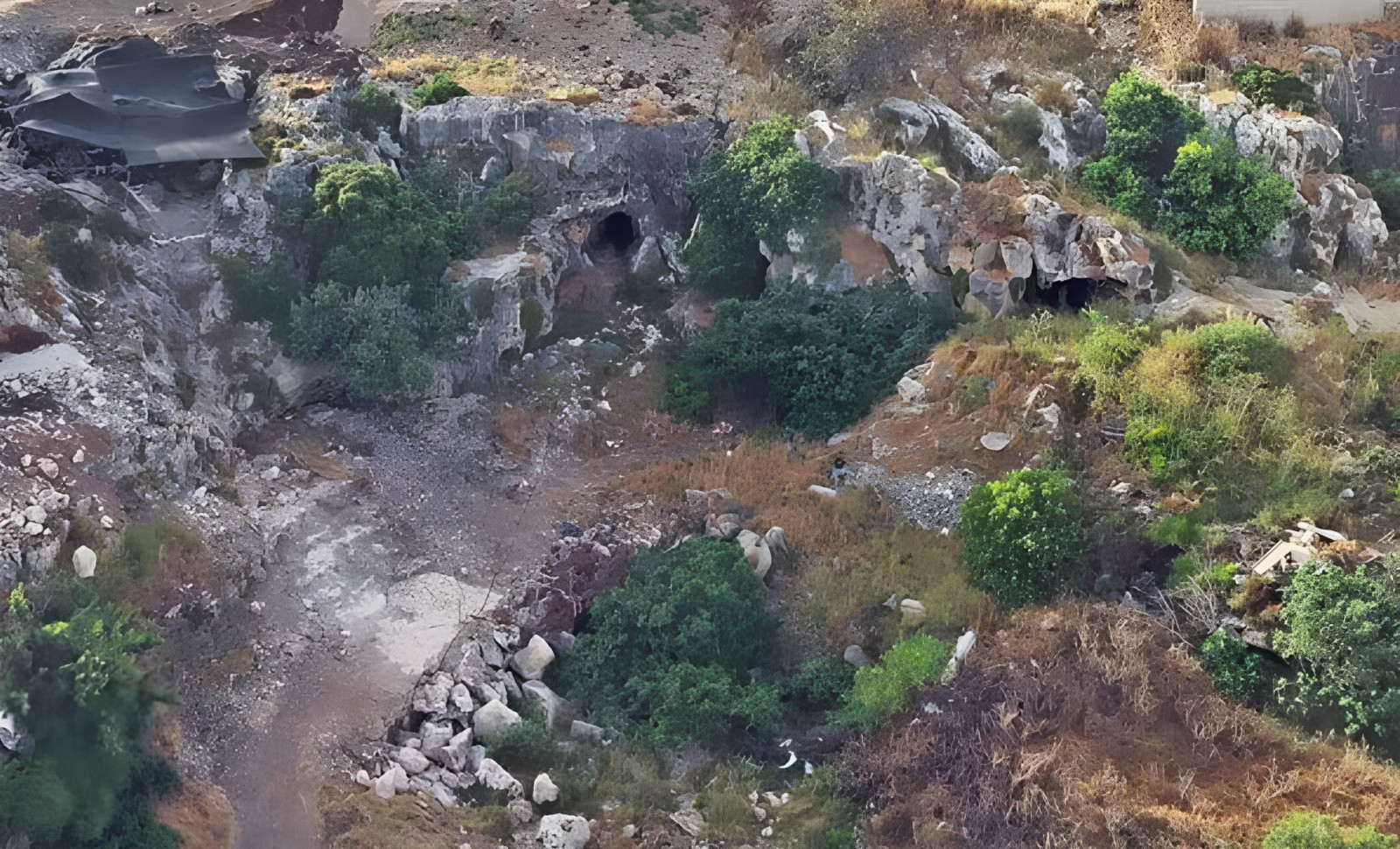
Archaeologists working in northern Israel have uncovered an extraordinary cave concealed beneath the terrain near Fureidis. This site has revealed stone implements, animal remains, and signs of controlled fire use, illustrating sustained human activity dating back hundreds of thousands of years.
Originally unearthed as a precaution before local construction, further analysis revealed the cave’s association with the Acheulo-Yabrudian culture. What was once thought to be around 200,000 years old is now dated to approximately 400,000 years ago, making it one of the region’s rare, well-preserved prehistoric locales available for study.
Flint Artifacts Extend the Cave’s Timeline
The site was initially surveyed in the 1970s, with researchers estimating an occupation age near 200,000 years. However, recent digs led by Kobi Vardi of the Israel Antiquities Authority and Ron Shimelmitz from the University of Haifa have dramatically revised this understanding.

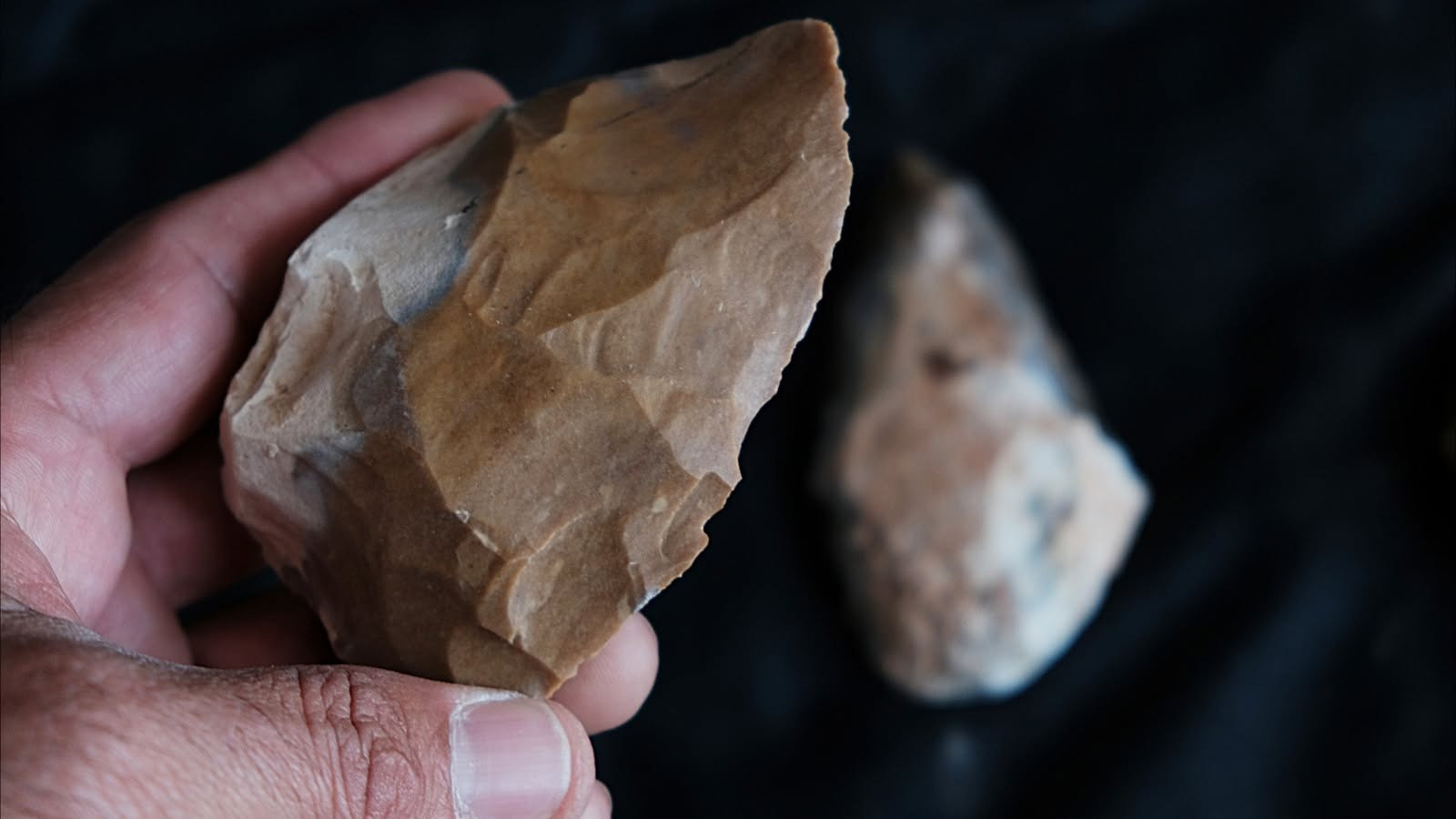
Their team uncovered a variety of flint hand axes, scrapers, and blades tied to the Acheulo-Yabrudian industry, which thrived in the Levant between roughly 400,000 and 250,000 years ago. In an interview with CNN, Vardi described the discovery as “a significant surprise” due to the cave’s much greater antiquity.
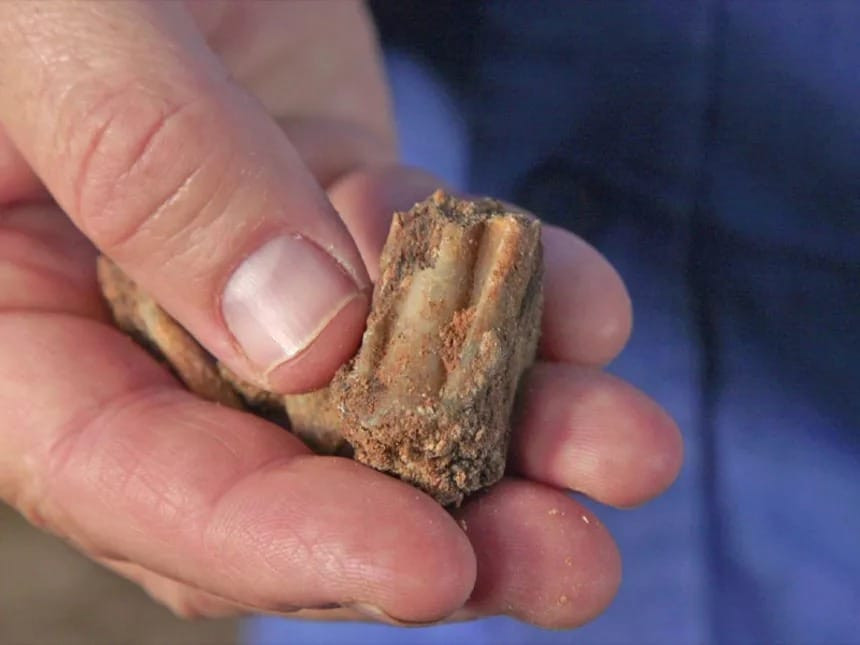
Alongside the stone tools, animal bones from species such as fallow deer and gazelles were found. The mixture of artifacts and faunal materials suggests repeated occupation over a prolonged time span.
Findings Indicate Structured Group Living
The evidence points to substantial hominin groups that hunted wildlife and routinely inhabited the cave, engaging in the use of fire. Israel’s Ministry of Foreign Affairs quoted Shimelmitz as saying the discoveries reveal a "complex and vibrant camp life."
Although the archaeological collection is abundant, the team has yet to locate significant human fossils at the site. Shimelmitz emphasized the cave’s extraordinary significance, describing it as “a globally important site,” from the final Lower Paleolithic period, just before Neanderthals and early Homo sapiens rose in prominence.
The researchers hope ongoing work will yield hominin remains. As Vardi stated:
“Our big hope in the excavation of these caves is that maybe we’ll find hominin remains,” he added, “We’re very anxious to meet them.”
The immense scientific importance of the cave also influenced development plans nearby. After the archaeologists shared their results, the construction firm agreed to adjust its project, constructing a road bridge to both preserve the cave and maintain access for future exploration.
Unlocking an Essential Link to Prehistoric Life
The excavation has drawn attention beyond the excavation team itself. Armando Falcucci, a Palaeolithic archaeology lecturer at the University of Southampton not involved in the dig, remarked:
“What makes this find valuable is that it pulls the spotlight back to a much earlier and equally pivotal window (roughly 400,000 to 200,000 years ago); a period of profound behavioural and technological change across both Africa and Eurasia in its own right, including the shift toward intensive, repeated use of caves as central places in the landscape.”
Falcucci also underscored the evidence for intensive fire use, highlighting that sites from this era offer some of the clearest proof of habitual, controlled fire application—considered a critical evolutionary milestone.
Catriona Pickard, a professor of prehistory and archaeometry at the University of Edinburgh, emphasized the cave’s unique insights into early hominin material culture and lifestyles. She suggested the site has the potential to revolutionize understanding of the Levant's Lower Paleolithic era, where comparable well-preserved cave sites are exceedingly rare.
- Categories:
- Science











0 comments
Sign in to Comment