
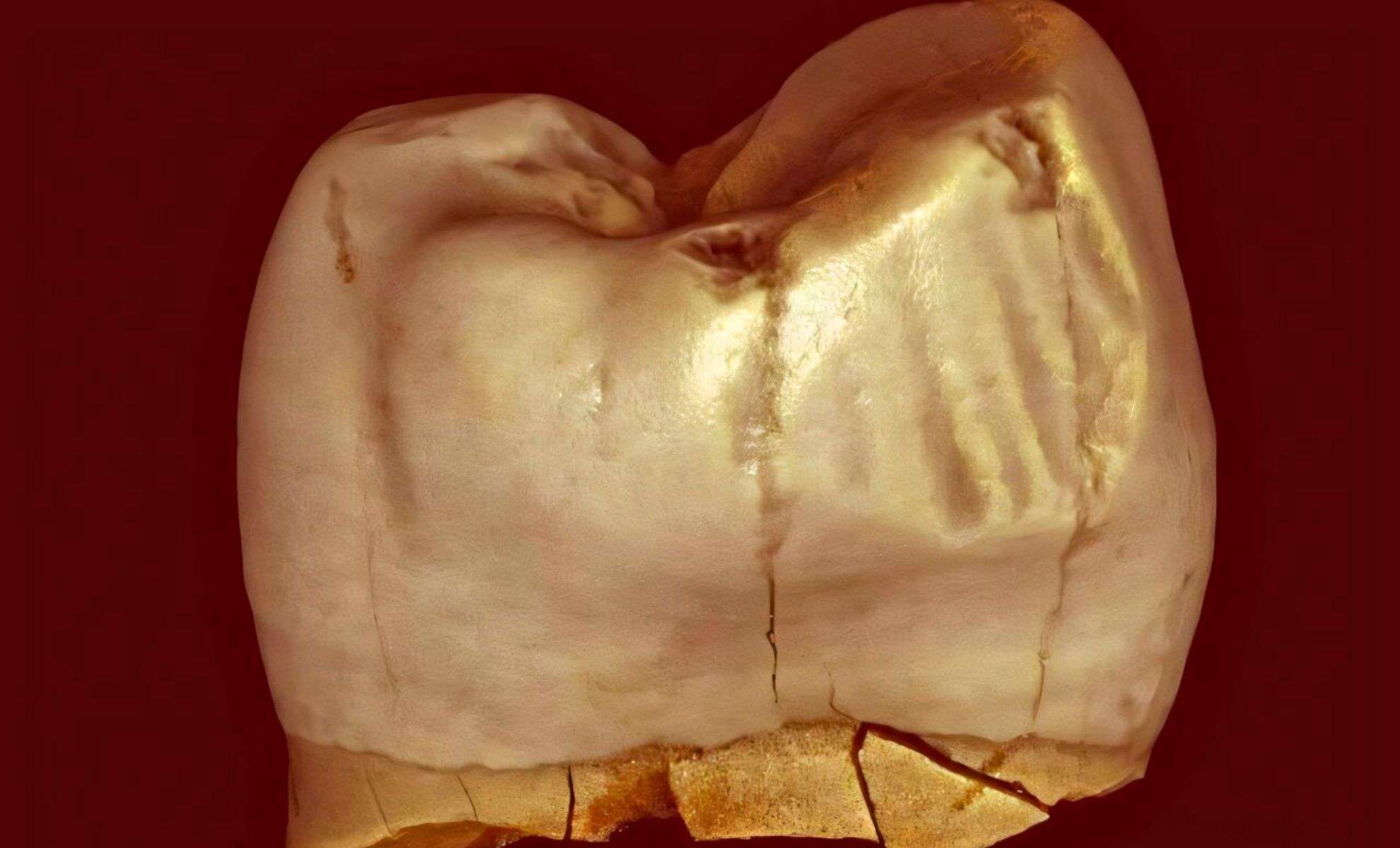
For many years, researchers believed that small grooves found on fossilized human teeth marked early attempts at dental care, suggesting that prehistoric people used sticks or plant fibers as rudimentary toothpicks. However, recent investigations involving wild primates indicate these patterns might not be intentionally created by humans.
Featured in the American Journal of Biological Anthropology, this research challenges prior assumptions about human evolution. Scientists from Monash University identified similar grooves on teeth from various wild primate species, casting doubt on the long-held belief that such marks on ancient human teeth were the result of deliberate tool use.
Natural Patterns on Teeth Instead of Early Hygiene
Teeth, known for their durability, often remain preserved long after other body parts decay, serving as valuable tools for anthropologists to reconstruct ancient diets, habits, and health status. Even minute features such as grooves near tooth roots have been interpreted as evidence of dental cleaning or efforts to relieve gum discomfort.

Yet, this fresh study questions these interpretations. Rather than focusing solely on human remains, researchers examined over 500 fossil and modern teeth across 27 wild primate species—including macaques, orangutans, and colobus monkeys—that had no exposure to processed foods, toothbrushes, or acidic drinks.
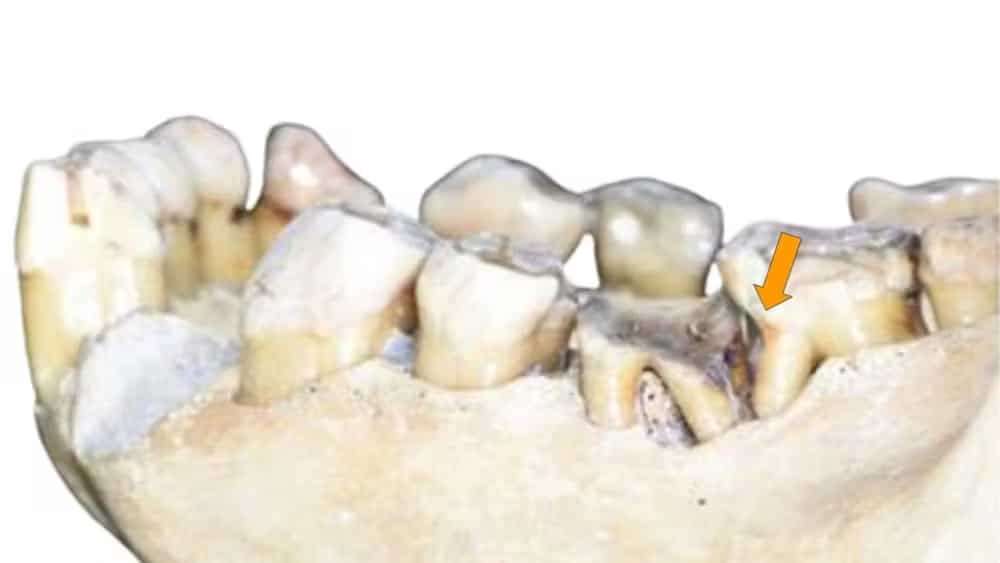
Marks Resembling Tool Use Appear Naturally
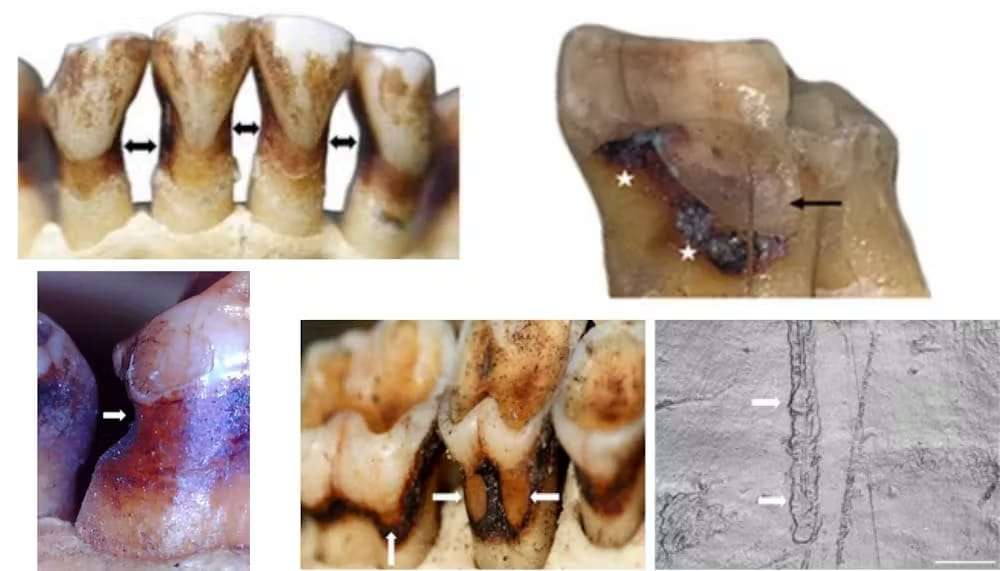
A key discovery revealed that about 4% of the examined wild primate teeth exhibited grooves similar to those previously attributed to toothpicking in ancient humans. The markings included fine, parallel scratches and tapered shapes on root surfaces, which closely resemble the characteristic lesions once thought to show deliberate manipulation.
Authors Ian Towle and Luca Fiorenza suggest these markings likely arise from natural processes. They highlight factors such as abrasive diets, grit embedded in plants, or repetitive stripping of vegetation as probable causes. Some smoother, shallower scratches on the anterior teeth might be linked to frequent consumption of acidic fruits commonly consumed by primates.
The researchers, quoted by The Conversation, caution that interpreting every groove in fossil teeth as evidence of tool use could lead to misleading conclusions.
Absent Abfraction Lesions Highlight Uniquely Human Issues
Despite observing these natural grooves, the team found no signs of abfraction lesions—distinctive deep, V-shaped notches at the gumline commonly present in modern human teeth—in any of the 500-plus primate samples.
Abfraction lesions are typically linked to contemporary factors such as tooth grinding, vigorous brushing, or acidic dietary habits. Even though many primates endure demanding chewing routines and tough diets, none exhibited this dental condition.
These results support the idea that abfraction is a dental problem rooted in modern human behavior rather than evolutionary or biological necessities, aligning with the principles of evolutionary dentistry, which explores dental health through an evolutionary perspective.
Reevaluating Fossil Evidence with Fresh Insight
The study urges greater caution in interpreting fossil records. Since similar grooves naturally occur in other primates, these markings should not be automatically regarded as indications of early tool use or primitive dental care.
This challenges a century-old perspective that these grooves represented one of humanity’s earliest behaviors. Instead, the findings encourage considering alternative factors such as chewing habits, food texture, or environmental influences when studying fossilized teeth.
Towle and Fiorenza plan to expand their comparative dataset and investigate lesion formation across additional species. Currently, their evidence points to routine chewing activities as the source of these grooves, rather than innovative tool use.
- Categories:
- News









0 comments
Sign in to Comment