
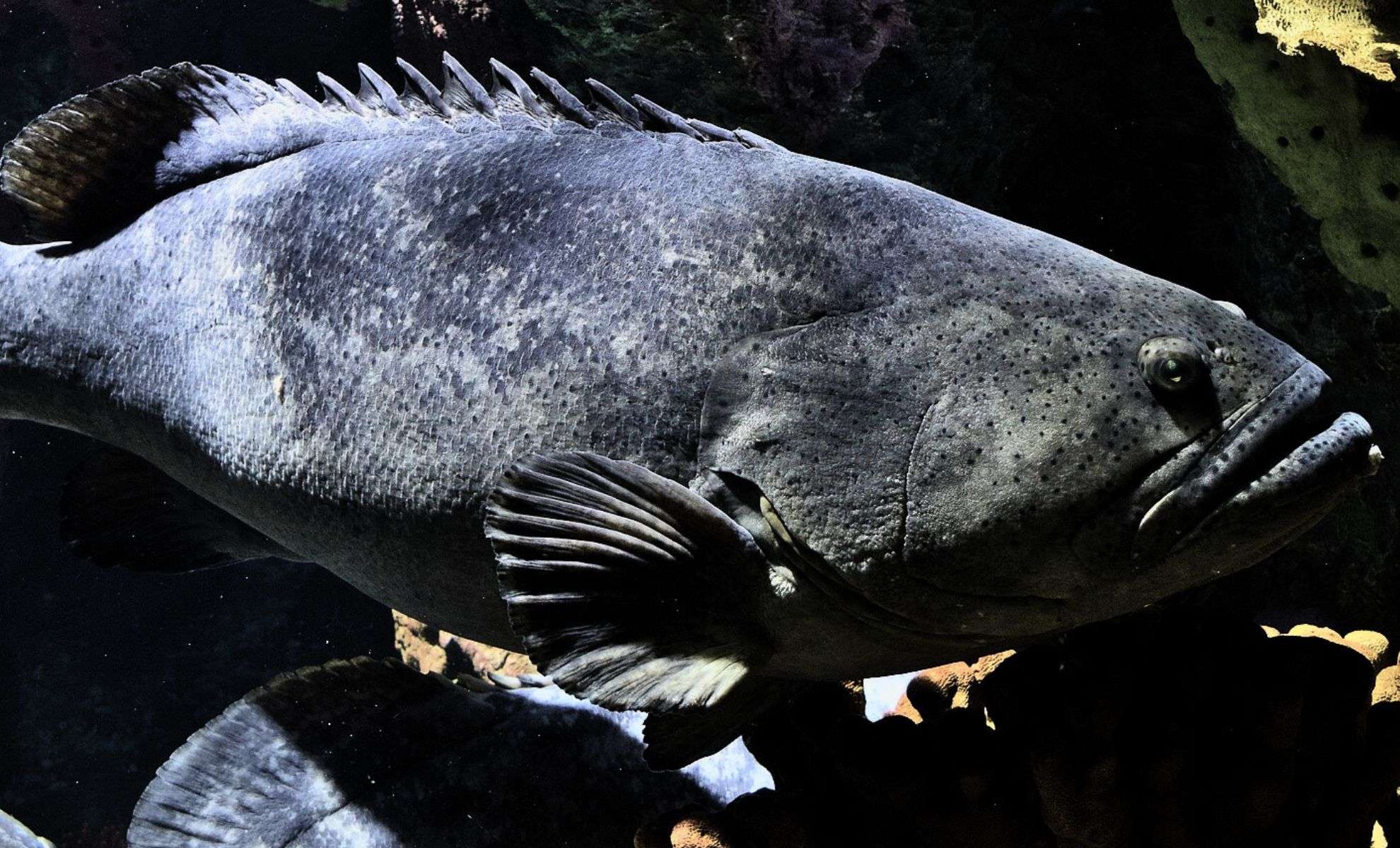
Recent research suggests that the sensitivity humans experience in their teeth—those sharp stings from cold drinks or unexpected pains—might originate from structures unrelated to chewing. These features trace back to protective coverings on fish living more than half a billion years ago.
A paper published in Nature challenges the traditional view by showing that the earliest tooth-like formations, called odontodes, may have developed first on the outer skin of ancient fish, rather than inside their mouths. Scientists propose these formations originally functioned as sensory apparatus, not tools for feeding, prompting a reconsideration of the evolutionary timeline and the original purpose of teeth.
Fossils That Redefine History
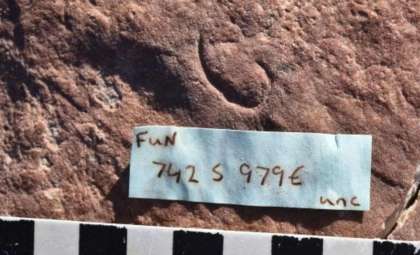
The investigation started with an analysis of what was thought to be the oldest vertebrate fossil. Yara Haridy, a researcher at the University of Chicago, examined tiny fossil pieces the size of rice grains from various U.S. museums. Among these was a disputed Cambrian fossil named Anatolepis, once considered the earliest fish.

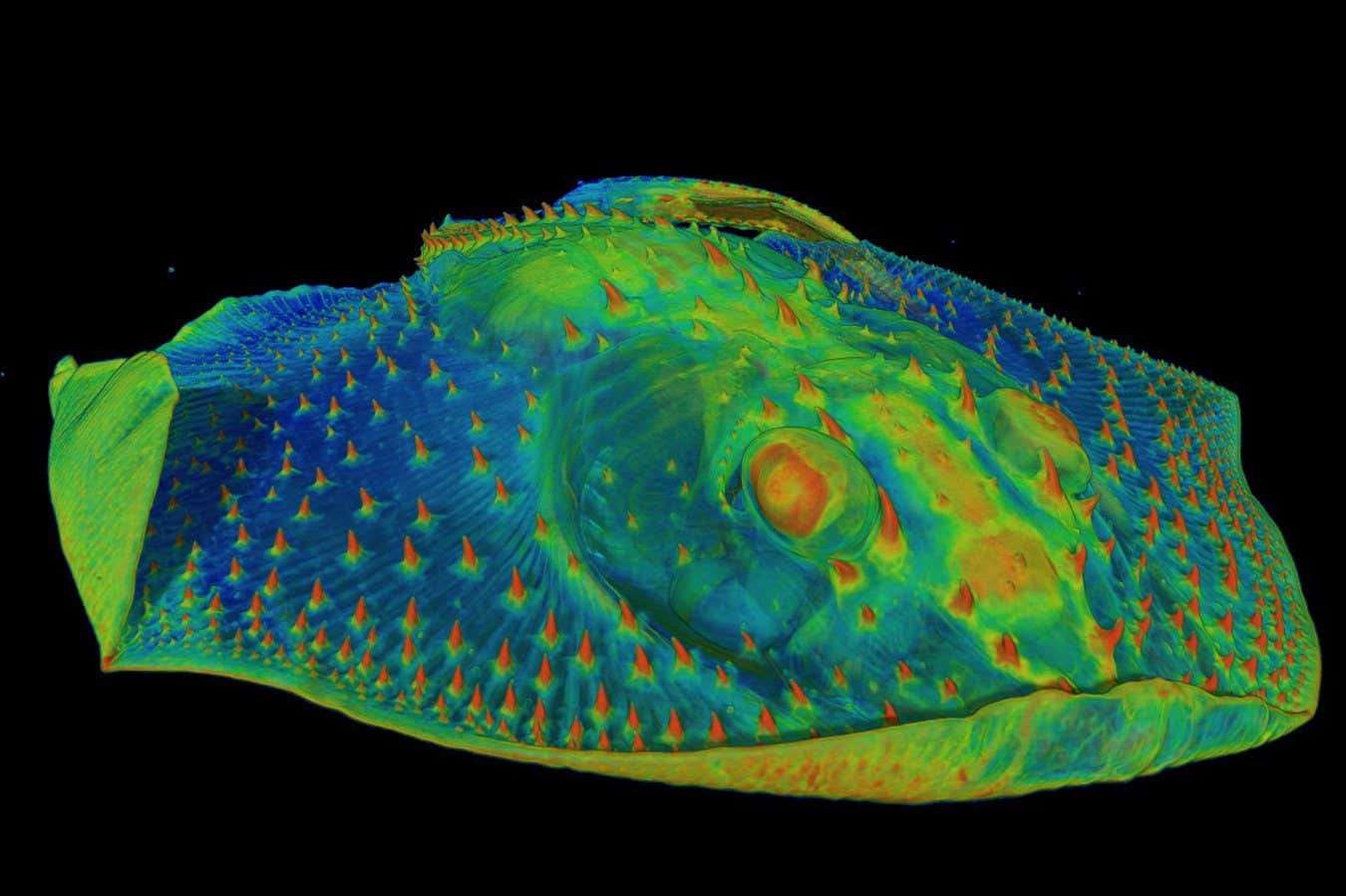
Initial imaging seemed to support this, revealing surface structures resembling odontodes that appeared to contain dentine, the sensitive part of human teeth. However, further examination with high-resolution CT scans uncovered more intricate details.
When compared with both fossil and living species, the supposed dentine tubules in Anatolepis actually matched sensory organs known as sensilla common in arthropods like insects and crustaceans. These sensilla detect environmental factors such as temperature, vibration, and odors. As a result, researchers reclassified Anatolepis as an invertebrate arthropod rather than a vertebrate.
Adjusting the Evolutionary Timeline
This new classification has considerable consequences. Since Anatolepis was the only recognized Cambrian fossil exhibiting vertebrate dentine, its exclusion pushes the earliest confirmed presence of hard vertebrate tissues back by roughly 40 million years, landing in the Middle Ordovician era.
The attention now turns to other Ordovician creatures, such as Eriptychius, a jawless vertebrate bearing elongated odontodes on its protective exoskeleton. These possess broad dentine tubules stemming from a central pulp cavity, directly exposed to external stimuli, which the researchers interpret as evidence of sensory functionality.
“Odontodes located externally can detect stimuli—likely, those initial odontodes operated in a similar capacity,” Haridy explained to Agence France-Presse. This observation points to early vertebrates evolving these outer structures primarily to sense their surroundings, especially in challenging environments described by lead scientist Neil Shubin as a “highly competitive predatory world.”
Dental Features Serving Sensory Roles
To test the sensory hypothesis, Haridy’s group studied living animals like catfish, sharks, and skates. Utilizing tissue clearing and immunofluorescence techniques, they detected nerve fibers at the base or even within the pulp cavities of these external odontodes.
In Ancistrus, a bristlenose catfish, nerves extended into the pulp cavity of odontodes on the pectoral fins. Similarly, in the catshark species Scyliorhinus retifer, nerves surrounded tail dermal odontodes. These findings reinforce the idea that nerve sensitivity linked to tooth-like structures is an ancient trait predating jaw development.
The study also revealed sensory differences among Ordovician vertebrates. The open pulp cavity and absence of protective enameloid in Eriptychius suggested heightened sensitivity. Conversely, the contemporary Astraspis had thick enameloid layers blocking external stimuli, indicating reduced sensory capability.
Evolutionary Insight Through Sensory Similarities
The resemblance between early vertebrate odontodes and arthropod sensilla showcases a compelling example of convergent evolution. Both groups independently developed external sensory systems—one via dentine-based structures and the other through cuticular organs—that likely evolved in response to comparable environmental demands. The researchers highlight this as evidence that environmental perception played a crucial role in shaping evolutionary developments.
The team concludes that what we perceive as a “toothache reflects an ancient sensory adaptation” inherited from aquatic predecessors reliant on environmental awareness for survival. Shubin emphasized, “Detecting changes in their watery habitat would have been essential.”
- Categories:
- News







0 comments
Sign in to Comment