
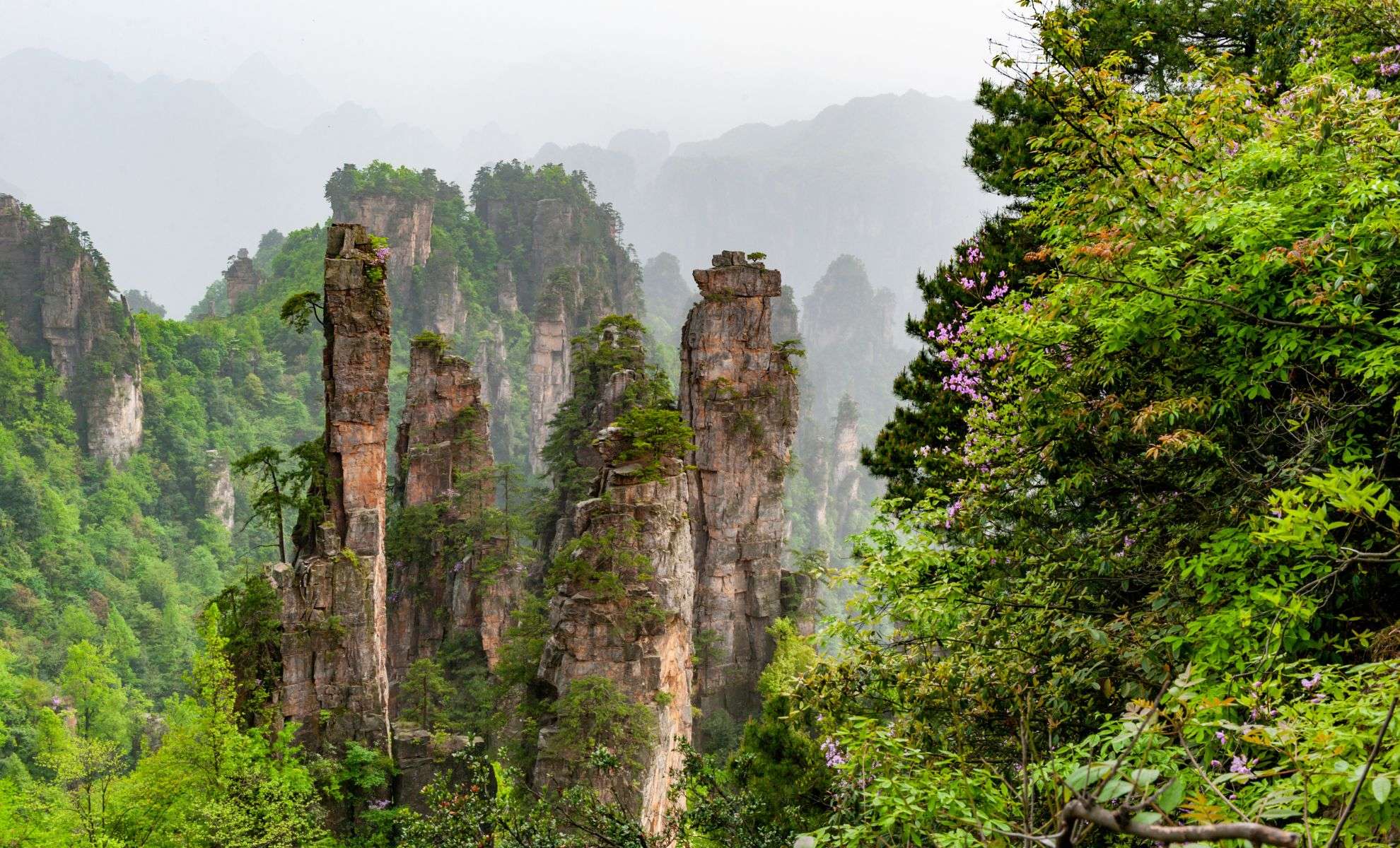
Zhangjiajie National Forest Park, nestled in China’s Hunan Province, has been renowned for its breathtaking scenery that famously inspired the visual creation of Pandora in James Cameron’s 2009 film Avatar. The park’s remarkable sandstone pillars and dense greenery earned it the nickname “wonderland on Earth,” symbolizing pristine and untouched natural beauty.
Yet, recent situations have cast a shadow over this pure image of the park.
UNESCO Site Faces Environmental Challenges
Zhangjiajie National Forest Park is part of a UNESCO World Heritage Site celebrated for exceptional natural landscapes. Unfortunately, recent reports show that the park’s ecological integrity has been compromised. Investigations inside one of the park’s ancient caves have uncovered alarming amounts of accumulated trash—ranging from plastic bottles to food wrappers—discarded over years of tourist activity. This accumulation has transformed the cave into what officials describe as a “stinking cesspit.”

Video evidence reveals explorers horrified by the multicolored heaps of refuse overwhelming the once-spotless cave environment. Authorities note that much of the waste has been dropped by visitors during more than a decade of tourism, with some plastic bottles dating back to 2015, indicating the long-term nature of the problem.
Pollution Impacts Local Wildlife and Waterways
Reports from Daily Mail highlight that the pollution issues extend beyond visual damage. The cave’s interior is contaminated with murky water mixed with sewage, producing a potent odor and exacerbating harm to the fragile ecosystem. Investigations suggest illegal sewage disposal by nearby farmers is steadily entering the cave system.
This sewage has begun flowing into surrounding streams, raising alarms among nearby residents regarding drinking water safety. In response, authorities have initiated a comprehensive inquiry in the district to evaluate the pollution levels and trace their origins. These developments raise serious concerns about the sustainability of such treasured natural sites amidst increasing tourist pressures.
Visitor Boom Brings Environmental Strain
The popularity surge of Zhangjiajie is strongly linked to the success of Avatar, with the park renaming the Qiankun Pillar as “Avatar Hallelujah Mountain” just a year after the film’s debut. Themed merchandise and photo spots inspired by the movie further boosted its appeal. Already a renowned tourist location, this increased recognition led to a sharp rise in visitor numbers.
This wave of tourists, however, has stressed the park’s natural resources. Landmark features such as the Bailong Elevator—the tallest outdoor elevator in the world—and infrastructure including glass bridges and cable cars have drawn large crowds, intensifying environmental strain. The park now faces challenges in balancing tourist demand with conservation efforts to protect its unique landscapes.
- Categories:
- News











0 comments
Sign in to Comment