
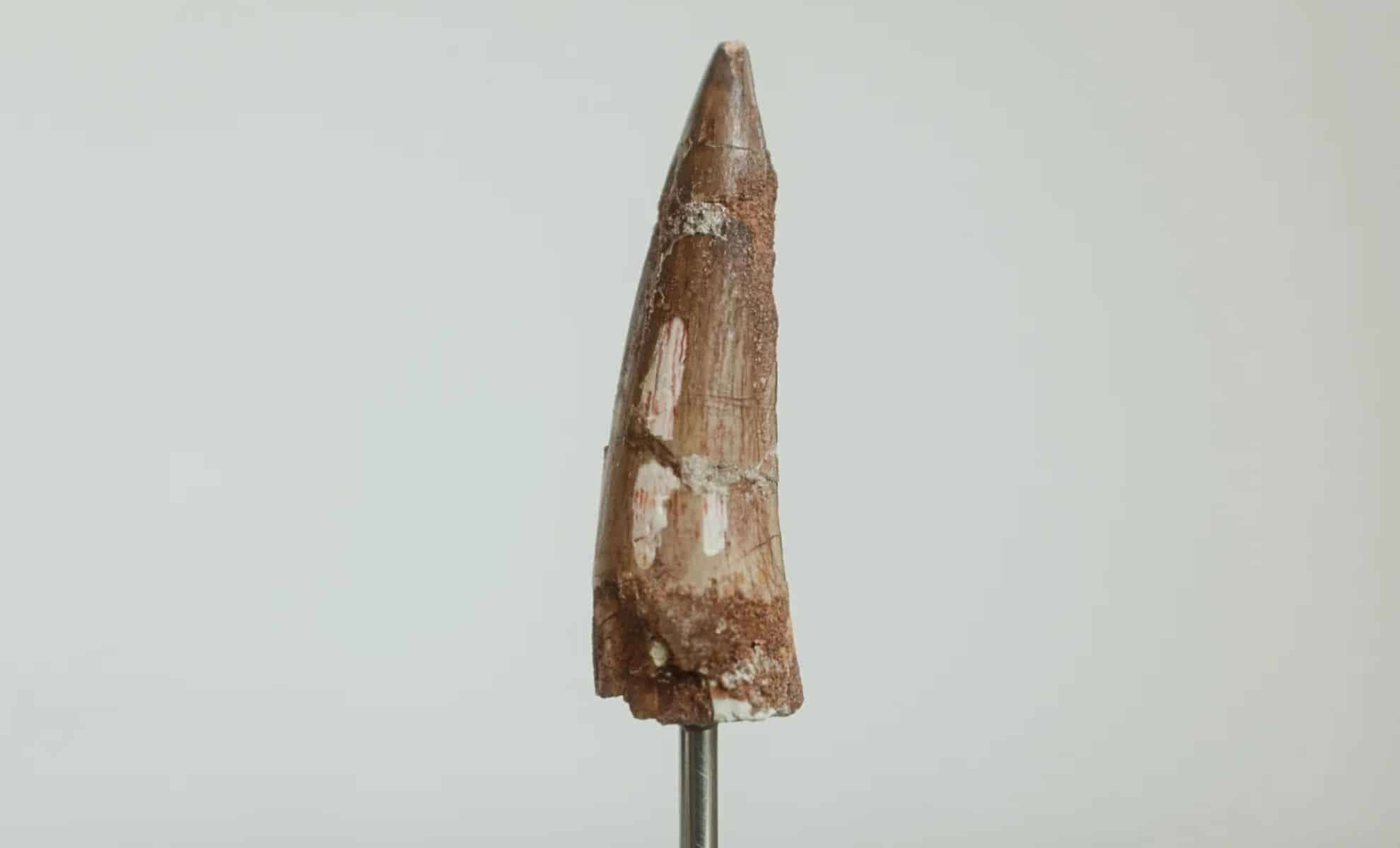
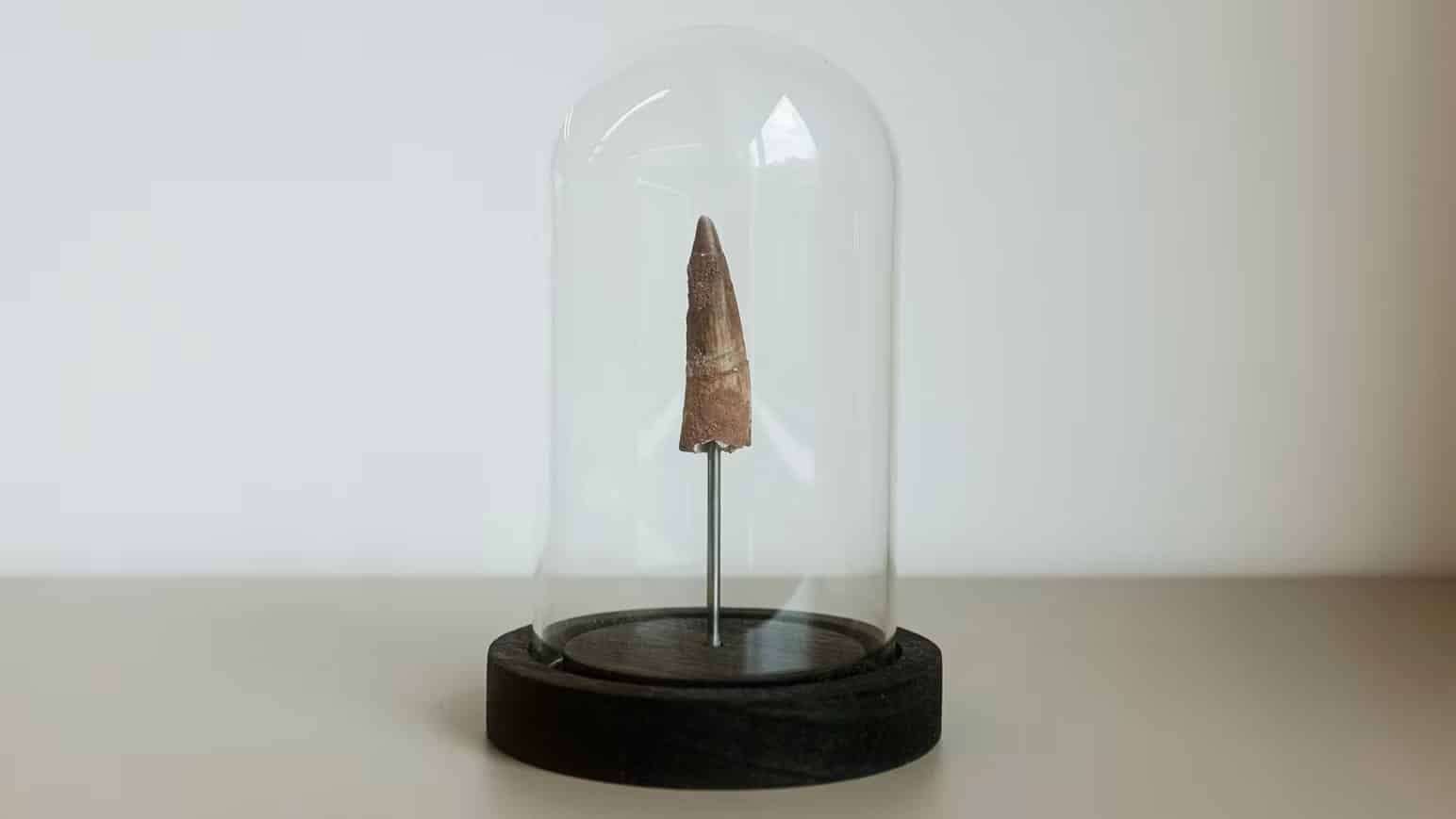
Journalist Jacopo Prisco’s online purchase of a $100 Spinosaurus tooth, presented under a glass dome with an authenticity certificate, initially seemed like a fascinating glimpse into prehistoric life. Sourced from a vendor in the UK, it promised a tangible link to one of the largest carnivorous dinosaurs. However, as detailed in Prisco’s CNN investigation, the story was far more layered than it first appeared.
An Expanding Market Fueled by Dinosaur Teeth
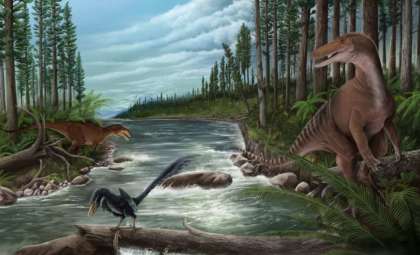
Targeted social media advertisements quickly flooded Jacopo Prisco’s feeds after showing interest, featuring numerous ancient artifacts, often traced back to North Africa. This is where he discovered the Spinosaurus tooth. These creatures, towering up to 60 feet and semi-aquatic, roamed modern-day Morocco nearly 95 million years ago. Their distinctive long, ridged teeth are among the most common dinosaur fossils on the market.
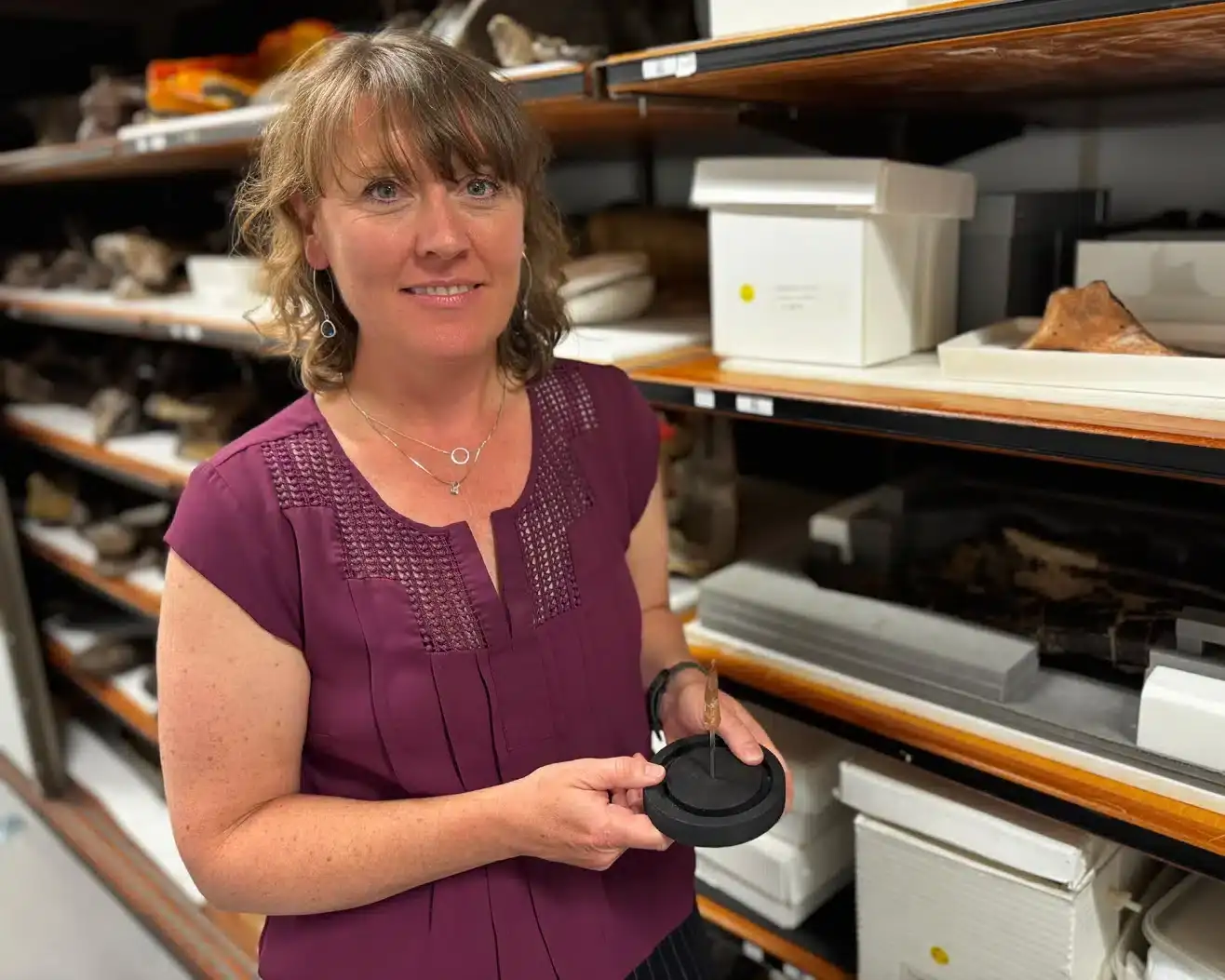
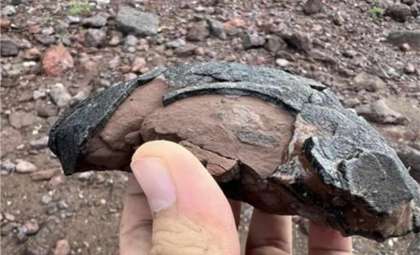
Upon arrival, the fossil’s color and surface texture appeared authentic, although some cracks raised suspicions it might be reconstructed from several pieces. To verify, Prisco turned to London’s Natural History Museum, where paleontologist Susannah Maidment confirmed: "Yeah, it’s a fossil, for sure… so it’s probably a Spinosaurus tooth."

Maidment also noted the tooth likely originated from Morocco’s Kem Kem beds, a site abundant in dinosaur teeth due to reptiles shedding them throughout their lives. Consequently, Prisco might have paid a premium for a fossil that is, surprisingly, quite common.
From Museum Exhibits to Multi-Million-Dollar Sales
The fossil trade has soared recently. In 2024, a Stegosaurus skeleton dubbed "Apex" fetched $44.6 million, setting a record for the priciest fossil ever auctioned. Earlier, in 2020, "Stan," a T. rex, sold for $31.8 million. Such headline-grabbing sales, mostly to private collectors, have elevated fossils into luxury market items.
Peter Lovisek, curator at Canada’s Fossil Realm, says social media platforms like Instagram now largely drive fossil sales. "Instagram connects curators, dealers, and diggers," he explained, but this visibility often conceals the questionable origins and legality of many fossils.
Understanding Fossil Trade Regulations
In Morocco, laws require permits for both fossil excavation and export; without these, items like Prisco’s tooth are technically illicitly exported. The UK seller from whom he purchased claims ethical sourcing but declined interview requests.
Several countries, including Brazil, Argentina, China, and Mongolia, strictly prohibit fossil exports. Brazil, for instance, legally designates fossils as state property, making private sales illegal. In contrast, the US and UK permit fossil sales if the finds originate from private lands.
David Martill, a UK-based paleontologist working in Morocco, revealed that fossil smugglers sometimes loot his excavation sites. “Sometimes we find the fossils, and then they take them,” he said. “They resell them on European websites for prices up to 30,000 euros.”
Perilous Excavations and the Human Cost
Behind every fossil are often workers enduring hazardous and poorly compensated conditions. Martill suggests Prisco’s tooth likely came from Hassi el Begaa, where miners tunnel deep horizontally into hills, exposed to dust and severe heat with minimal protective gear.
Elmahdi Lassale, CEO of M2 Rocks & Minerals, estimates that more than 50,000 Moroccans rely on fossil collecting for their livelihoods. Workers earn roughly $13 to $20 daily, with mine collapses leading to fatal incidents relatively frequently. Despite Lassale’s efforts to provide safety equipment, many miners remain unprotected. “It’s easy to profit from this market,” he remarked, “but extracting minerals or fossils is far from simple.”
Experts like Maidment strongly advise against purchasing fossils online, especially without verified export documentation. “These specimens are part of our collective heritage and shouldn’t be privately owned,” she stressed. Others, such as Martill, argue that commonly found fossils like teeth have limited scientific significance. “Still, you might own a tangible fragment of Earth’s amazing biological history by buying a tooth.”
- Categories:
- News





0 comments
Sign in to Comment