
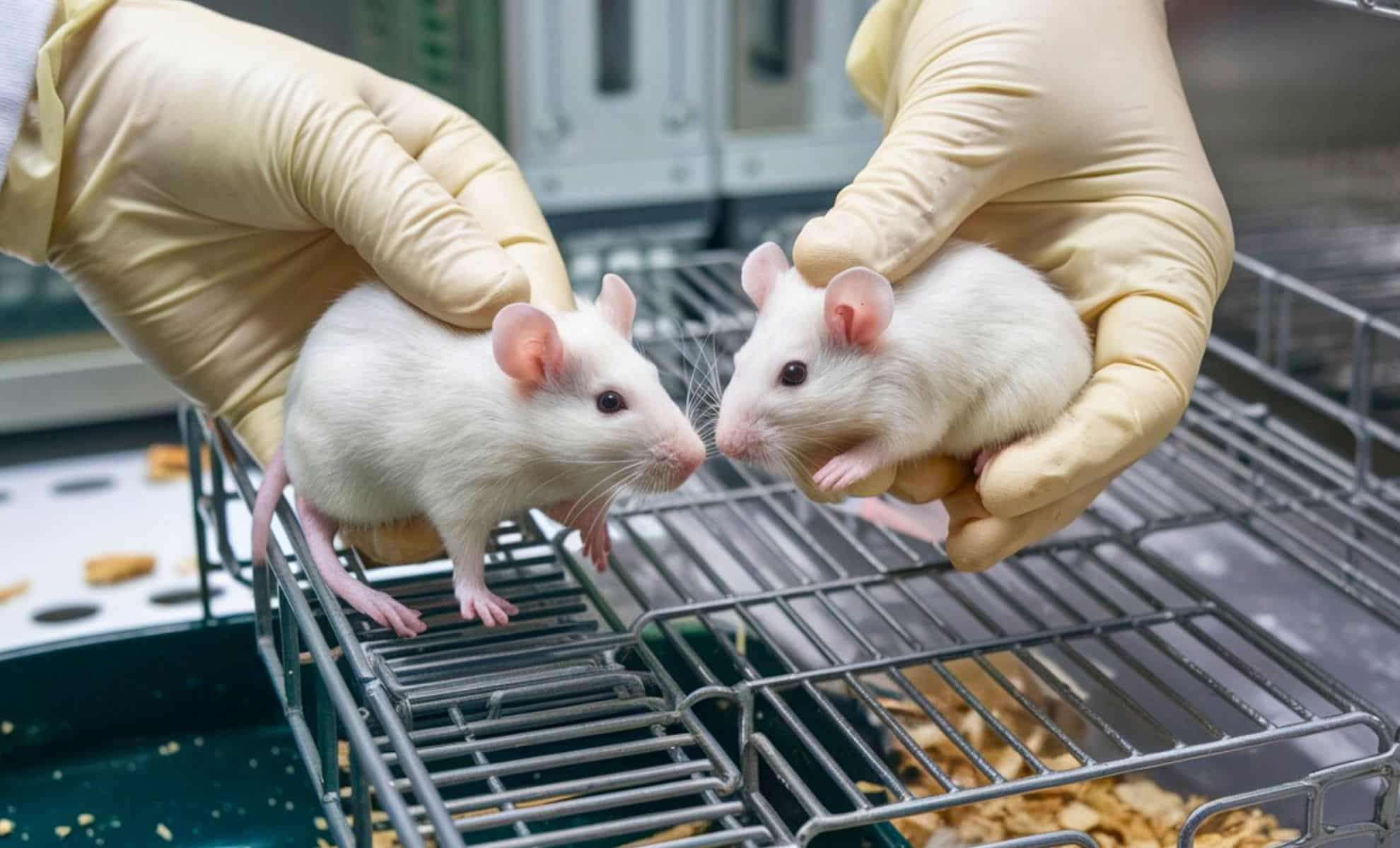
Researchers have achieved a groundbreaking feat by generating a living mouse using stem cells that incorporate genes predating the emergence of animals. This advance could transform perspectives in evolutionary biology and regenerative medicine.
Revolutionary Breakthrough in Genetic Engineering
The team reprogrammed mouse stem cells by integrating the Sox2 gene from choanoflagellates, ancient single-celled organisms considered the nearest relatives to multicellular animals. This gene swap replaced the native mouse Sox2 gene and triggered the transformation of mouse cells into stem cells, demonstrating the powerful role of these primordial genes. The research was spearheaded by Ralf Jauch, a leading stem cell expert at the University of Hong Kong, alongside Alex de Mendoza from Queen Mary University of London.
- Experiment focus: Substituting the Sox2 gene in mouse cells with the version from choanoflagellates.
- Key finding: Successful reprogramming into stem cells revealed that mechanisms for pluripotency existed long before the rise of animals.
Ralf Jauch commented, “Our findings show the molecular toolkit for stem cells is far more ancient than previously appreciated, existing before animal stem cells evolved.”

Choanoflagellates: A Window into Evolutionary Origins
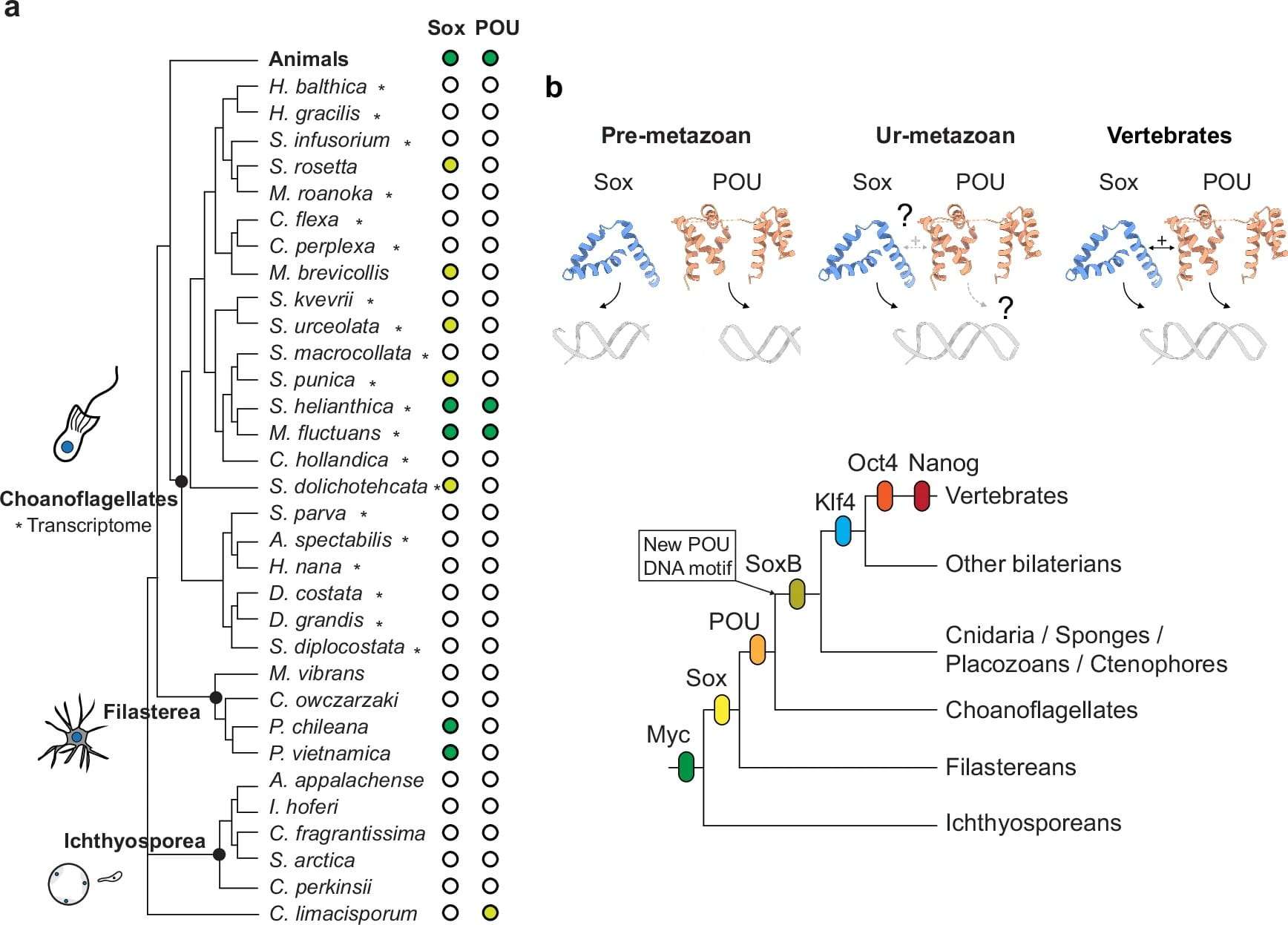
Originating about 600 million years ago, choanoflagellates carry genes such as Sox, critical for the formation of pluripotent stem cells capable of differentiating into a variety of cell types. This discovery challenges the earlier belief that pluripotency was unique to multicellular animals, pushing the timeline for these genetic functions significantly backward.
Alex de Mendoza highlighted the evolutionary implications: “Most animals rely on stem cells for growth and renewal, as these cells divide and give rise to other cell types, an essential biological process.”
Gene Swapping Reveals Functional Differences
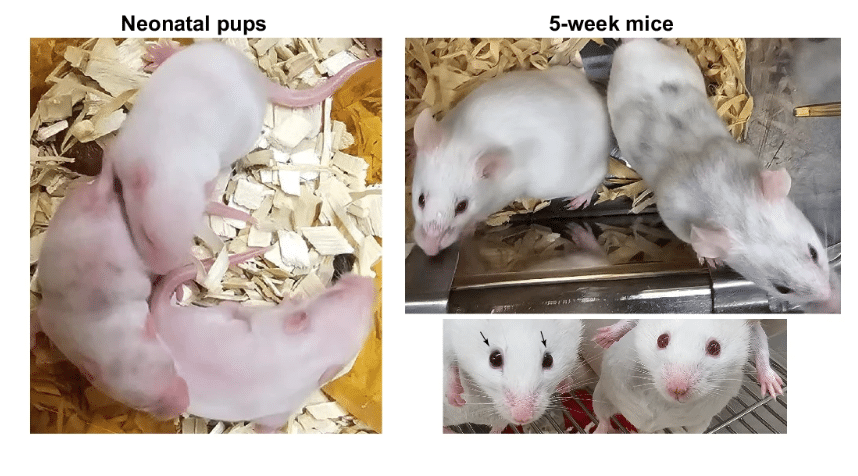
The study involved replacing the Sox2 gene in mouse stem cells with its counterpart from choanoflagellates, which resulted in successful reprogramming and development of a live mouse embryo.
Conversely, swapping the Pou gene from choanoflagellates did not yield stem cell activity in mouse cells, suggesting this gene demands additional evolutionary refinement to function in contemporary animals.
- Success: Sox2 gene swap reprogrammed mouse cells into stem cells.
- Limitation: Pou gene from choanoflagellates failed to induce stem cell activation, indicating evolutionary adaptation is required.
Implications for Regenerative Therapies
This remarkable insight carries promising potential for regenerative medicine. Decoding how these ancient genes govern pluripotency could refine cell reprogramming methods critical for combating illnesses such as neurodegenerative diseases and facilitating tissue repair. Applying these ancestral genetic mechanisms might unlock groundbreaking approaches to tackle disease and aging.
The findings suggest the possibility of advancing therapies centered on cellular reprogramming to better address disorders that currently have limited treatment options.
Shedding Light on Evolutionary Innovation
The research reveals that evolutionary progress often involves repurposing existing genetic tools rather than inventing new ones from scratch. The ancient genes inherited from unicellular predecessors were adapted over millennia to serve the complexities of multicellular organisms.
Studying these genetic legacies opens a window into the foundation of multicellular life and offers strategies for applying these age-old biological systems to contemporary scientific challenges.
Alex de Mendoza summed it up: “Evolution mostly reuses existing parts rather than creating new ones entirely, building new functions upon recycled components.”
The study is documented in the journal Nature Communications.







0 comments
Sign in to Comment