
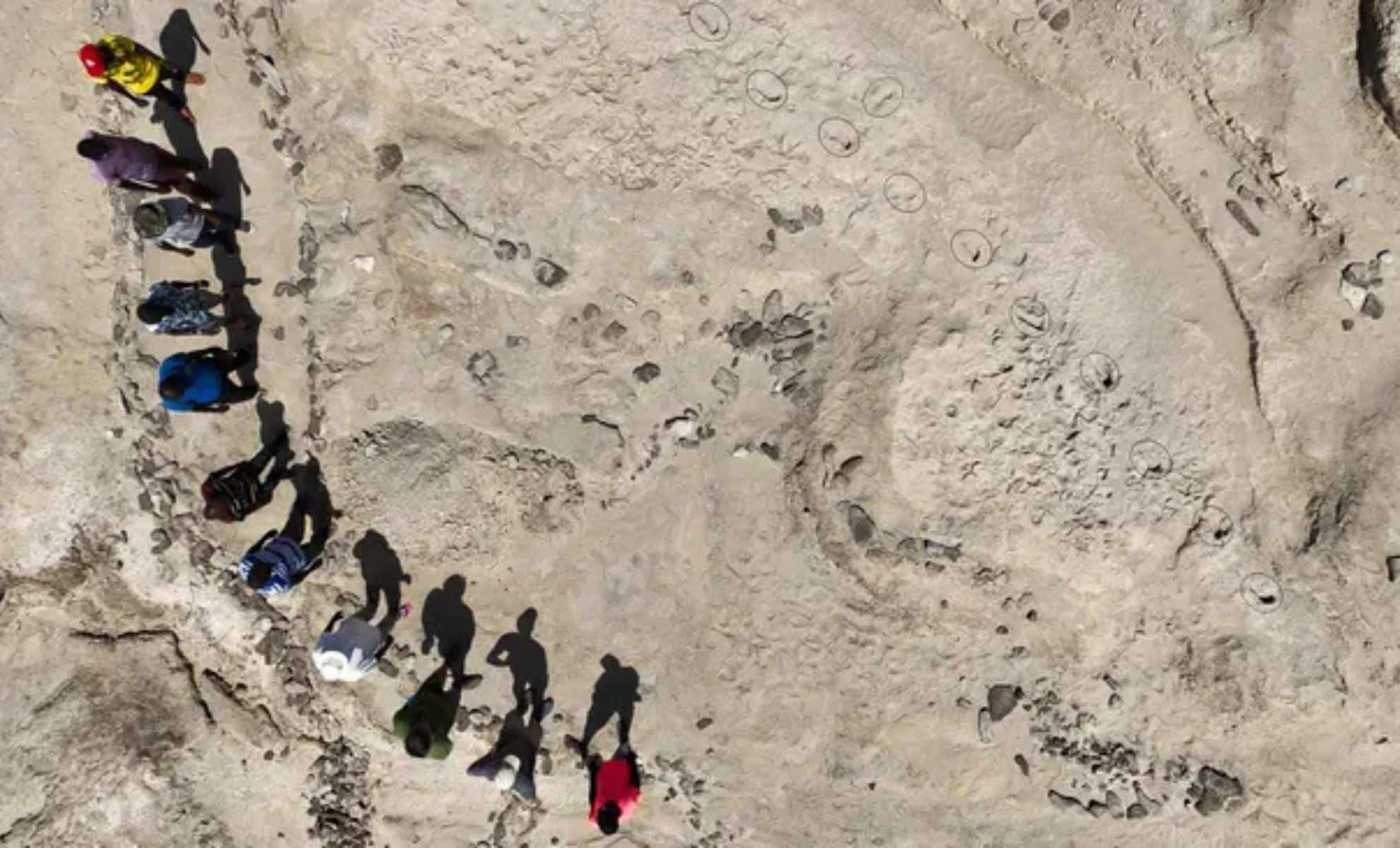
A remarkable paleoanthropological finding has uncovered traces indicating that Homo erectus, among the earliest human ancestors, shared their habitat with another early hominin, Paranthropus boisei, about 1.5 million years ago. Researchers discovered ancient footprints at Kenya’s Koobi Fora site, shedding new light on how these two distinct species may have lived side by side. This breakthrough provides fresh perspectives on the lifestyles and interactions of prehistoric humans.
Unearthing the Ancient Footprints
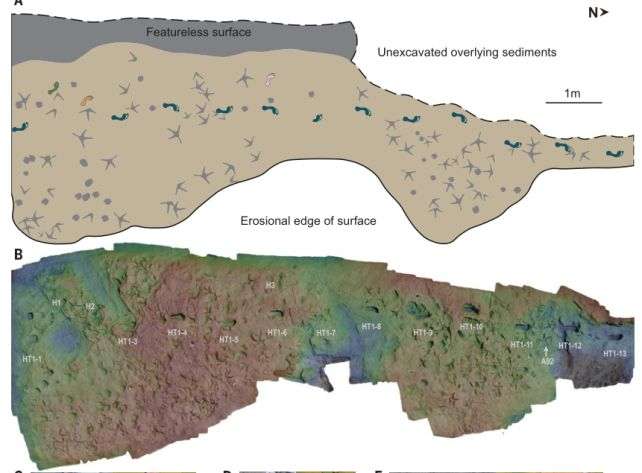
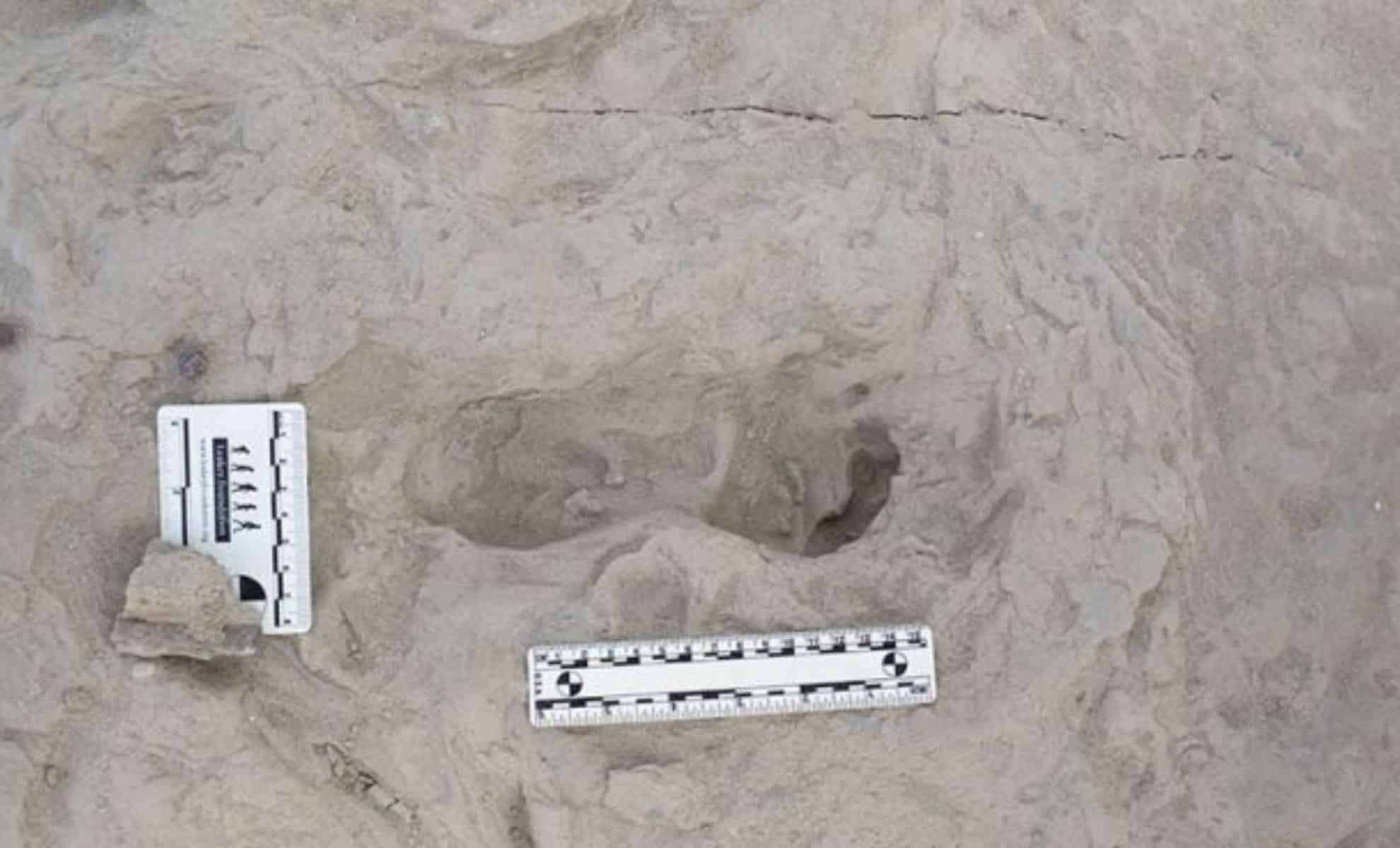
The fossilized pathway, stretching roughly 26 feet, includes footprints belonging to both Homo erectus and Paranthropus boisei. Each set displays unique characteristics that correspond to their differing anatomy and movement styles. Tracks attributed to Homo erectus resemble those of modern humans, showing a defined arch and heel-to-toe stride. In contrast, Paranthropus boisei prints present a flatter foot and distinct toe shapes, highlighting their separate physical traits. The close arrangement of these prints hints at the likelihood that the two species inhabited the same environment and possibly interacted with one another.
This discovery profoundly impacts our understanding of early human species coexistence. Previously, it was believed that early hominin species lived separately, but these overlapping footprints challenge that idea. Kevin Hatala, a paleoanthropologist heading the study, commented: “I would expect the two species would have been aware of each other’s existence on that landscape, and they probably would have recognized each other as being ‘different.’” This suggests that although physically distinct, these hominins possibly shared environments and experienced some form of social or competitive interaction.

New Perspectives on Early Human Evolution
The discovery of these footprints adds complexity to our understanding of early human development. Two distinct hominin species residing simultaneously in the same location offers insight into their possible lifestyles. While Homo erectus showcased more advanced features such as a human-like walking pattern and tool use, making them likely the predominant species, Paranthropus boisei had distinct anatomical adaptations suitable for a specialized diet. Their cohabitation raises questions about how these species may have competed or cooperated for resources within their shared habitat.
Utilizing cutting-edge 3D imaging, scientists meticulously reconstructed the footprints, revealing detailed aspects of the terrain and climate these species endured. The Koobi Fora region near Lake Turkana has long been central to understanding human evolution, and this new finding further reinforces its scientific value.
Why These Footprints Matter
The 1.5 million-year-old footprints rank among the oldest and best-preserved hominin tracks ever discovered. Beyond illustrating physical traits, they offer rare evidence of early hominin behavioral and social dynamics—information often missing from fossil bones alone.
Besides confirming the simultaneous existence of two hominin groups, these tracks challenge prior assumptions about early human social life. Experts now propose that early humans may have had more intricate social structures, with different species living nearby and possibly influencing one another. As paleoanthropologist Zach Throckmorton from Colorado State University noted, this find provides “compelling and convincing evidence of the coexistence of Homo erectus and Paranthropus boisei at Koobi Fora in Kenya about 1.5 million years ago.” It opens new avenues to explore how ancient human species might have shared their worlds.
Peering Back into Prehistoric Life
The ancient footprints serve as a powerful link between bone fossils and the behaviors of early humans. Their preservation offers a unique window into how these hominins moved and engaged with their surroundings. This discovery also highlights the importance of advanced technology in exposing hidden chapters of our evolutionary story. Through modern scanning techniques, scientists are uncovering details that deepen our grasp of human history.
Ongoing research at Koobi Fora aims to unlock further secrets from these footprints. This exceptional find carries both scientific and cultural weight, reminding us of the intricate and diverse forms of life that preceded modern Homo sapiens.











0 comments
Sign in to Comment