
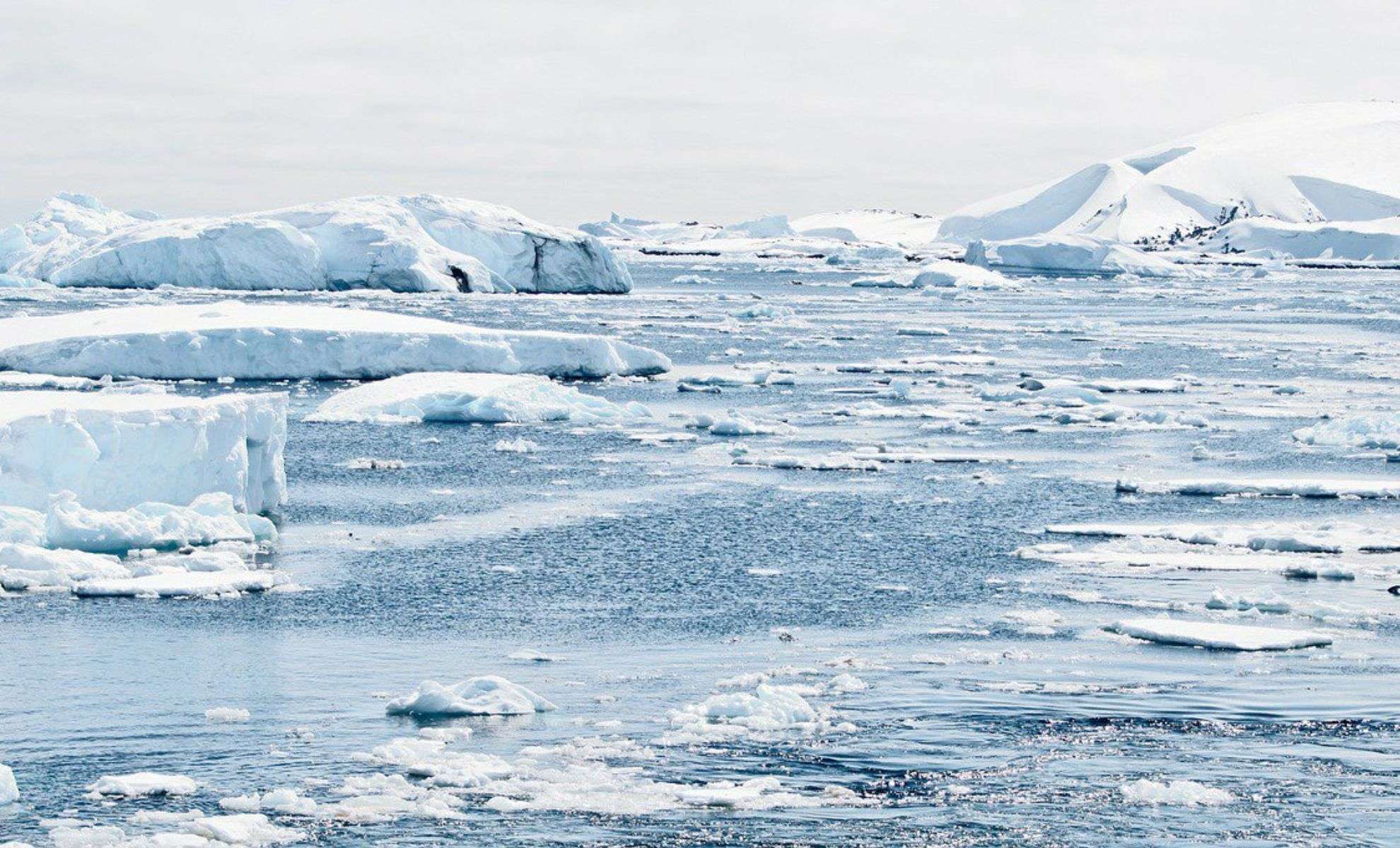
New genetic research reveals how ancient humans adapted to frigid environments following their exodus from Africa.
Scientists have pinpointed a particular gene variant crucial for boosting heat production in brown fat tissue, a vital factor in coping with cold temperatures.
This breakthrough illuminates the intricate relationship between our genes, evolutionary pressures, and the environment, deepening our grasp of human evolutionary dynamics.

The Impact of the FTO Gene on Cold Climate Survival
The FTO gene, widely studied for its association with body fat regulation and obesity, has emerged as a key player in controlling metabolic functions and energy balance. A specific rs1421085 T>C variant within this gene has been linked to increased heat generation in brown adipose tissue—a specialized fat that produces heat by burning calories. Unlike regular white fat, brown fat is essential for preserving core body temperature in low-temperature settings.
This genetic variant likely provided a crucial advantage to early human groups migrating from Africa’s warm zones into colder Eurasian landscapes. Extensive genome-wide studies (GWAS) indicate that populations in frigid climates carry this variant more frequently.
The variant enhances the activity of UCP1, a protein fundamental to heat generation, representing a direct evolutionary shift to withstand cold stress. This trait would have been essential for conserving energy and regulating body heat in harsh, chilly surroundings.
Evolutionary Insights and Distribution Patterns of the Variant
The significance of the rs1421085 T>C variant in evolution is clear when analyzing its prevalence worldwide. There is a notable inverse relationship between the variant’s frequency and average January skin surface temperatures, showing higher occurrence in northern populations of Europe and Asia compared to those dwelling in warmer zones.
This trend suggests natural selection favored the variant due to its cold-weather benefits. The migration patterns of modern humans, who left Africa nearly 70,000 years ago, align with this selection process.
As our ancestors expanded into diverse climates with varying challenges, the demand for efficient heat retention intensified. This favored genetic adaptations like the rs1421085 T>C variant, which likely played a critical role in enabling early populations to endure and flourish in cooler regions.
The Broader Implications for Human Evolution
Investigations into the rs1421085 T>C variant reveal profound insights into how humans have genetically adapted to environmental pressures. Managing body heat in cold conditions exemplifies the wide spectrum of evolutionary adjustments that have contributed to human diversity. The greater frequency of this variant in cold climates underscores natural selection’s role in prioritizing traits that enhance survival.
Furthermore, this research draws attention to how seemingly advantageous genes can have complex effects today. While the variant offered survival benefits in ancient cold environments, its current link to elevated obesity risk highlights the changing impact of genetic traits over time. This dual nature of adaptations showcases the multifaceted character of evolution.
Looking Ahead: Future Exploration and Applications
Although current findings significantly advance our understanding of human genetic adaptation, numerous questions remain. Ongoing studies must explore how various genetic factors interact with environmental influences to shape our biology and health. Investigating additional genetic changes that supported human survival in diverse climates will further enrich our knowledge of evolutionary history.
This research not only deepens our understanding of evolutionary processes but also holds promise for medicine and health care. By unraveling how variants like rs1421085 T>C affect metabolism and energy balance, scientists can develop more personalized approaches to tackling metabolic diseases such as obesity. Understanding these genetic contributions can improve treatment strategies tailored to individual genetic profiles.
Human evolution is a complex journey marked by countless adaptations to environmental challenges. Studying these genetic developments continues to reveal the remarkable resilience and flexibility that have allowed our species to thrive through millennia.













0 comments
Sign in to Comment