
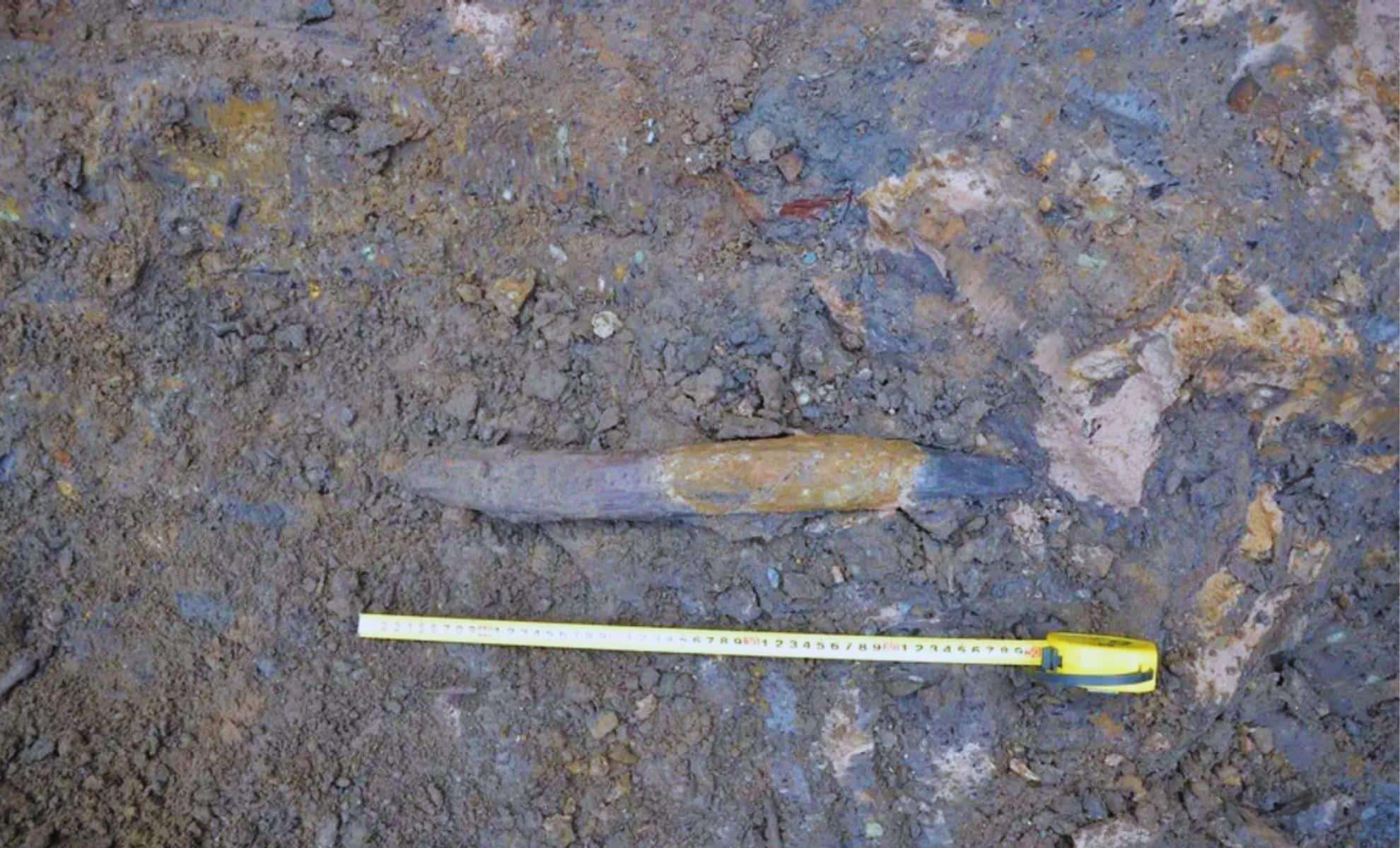
A remarkable find in southwest China has uncovered ancient wooden implements dating back approximately 300,000 years, thought to have been fashioned by Denisovans. Located at the Gantangqing site along a lakeshore, these tools provide new insights into the advanced survival techniques of early hominins in East Asia.
Revealing East Asia’s Prehistoric Innovations
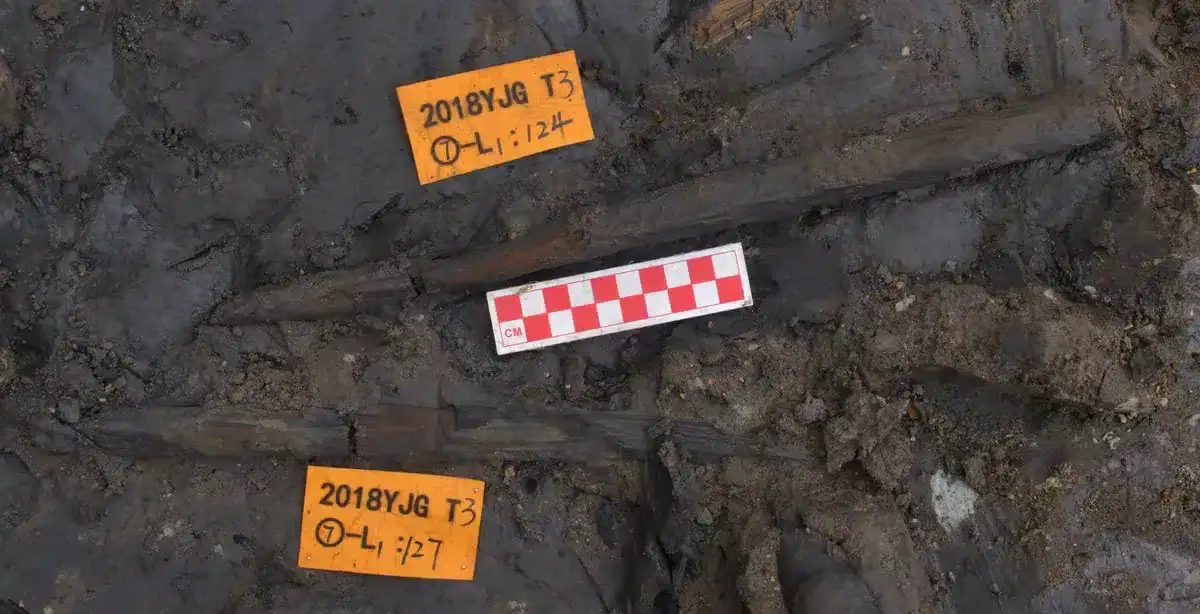
These finely crafted tools, showing unmistakable signs of deliberate shaping, have been dated to a range between 361,000 and 250,000 years ago. Scientists used cutting-edge dating methods focusing on feldspar grains within the nearby sediment to establish their antiquity. This discovery challenges long-held views that Paleolithic technological progress in East Asia lagged behind regions like Europe.
In Europe, the Middle Paleolithic era was marked by significant advances in stone tool technology, whereas East Asia’s toolmaking seemed stagnant until modern humans appeared around 40,000 to 45,000 years ago. Professor Bo Li, the lead researcher on the study, remarked, “This discovery truly transforms our understanding of Paleolithic East Asia’s technological and cultural development.”

Foraging Tools Instead of Hunting Weapons
Contrary to other known Pleistocene wooden artifacts—like the renowned Schöningen spears from Germany, used predominantly for hunting—the Gantangqing items appear tailored for gathering plant resources. The majority are crafted from pine, with some exceptions made from hardwood species. The ensemble includes digging sticks and hook-shaped tools thought to have been utilized to extract subterranean plants such as tubers, rhizomes, and corms.
This collection highlights early human dietary adaptations within subtropical habitats, where foraged vegetation formed a crucial food base. The tools’ curved forms and deliberate carving marks imply they were engineered specifically to cut through plant roots, demonstrating notable skill among their creators.
Identifying the Craftspeople
The origin of these wooden artifacts presents fascinating questions. Professor Bo Li points to the Denisovans as the most plausible makers, an ancient hominin group recognized for advanced stone tool use and known to have lived alongside Neanderthals in Siberia. Additional evidence, including fossil discoveries from the Tibetan Plateau and Harbin area, supports their presence in East Asia during this era.
“Denisovans lived alongside Neanderthals in Siberia and produced sophisticated stone tools akin to theirs—there’s no doubt about their intelligence and technological aptitude,” Professor Li explained.
Insights into Early Human Adaptation
The Gantangqing site reveals distinct survival approaches of early hominins living in subtropical zones. Unlike northern temperate regions where hunting large mammals dominated, these tools suggest that early hominins, possibly Denisovans, strategically exploited lakeside plant resources. The presence of these tools indicates planned, repeated visits to the lakeshore, carefully equipped to harvest edible plants.
Analysis of local plant remains points to usage of the wooden implements for gathering tubers, rhizomes, kiwis, and various nuts, emphasizing the essential role of plant-based foods in supporting early human communities.
- Categories:
- News











0 comments
Sign in to Comment