
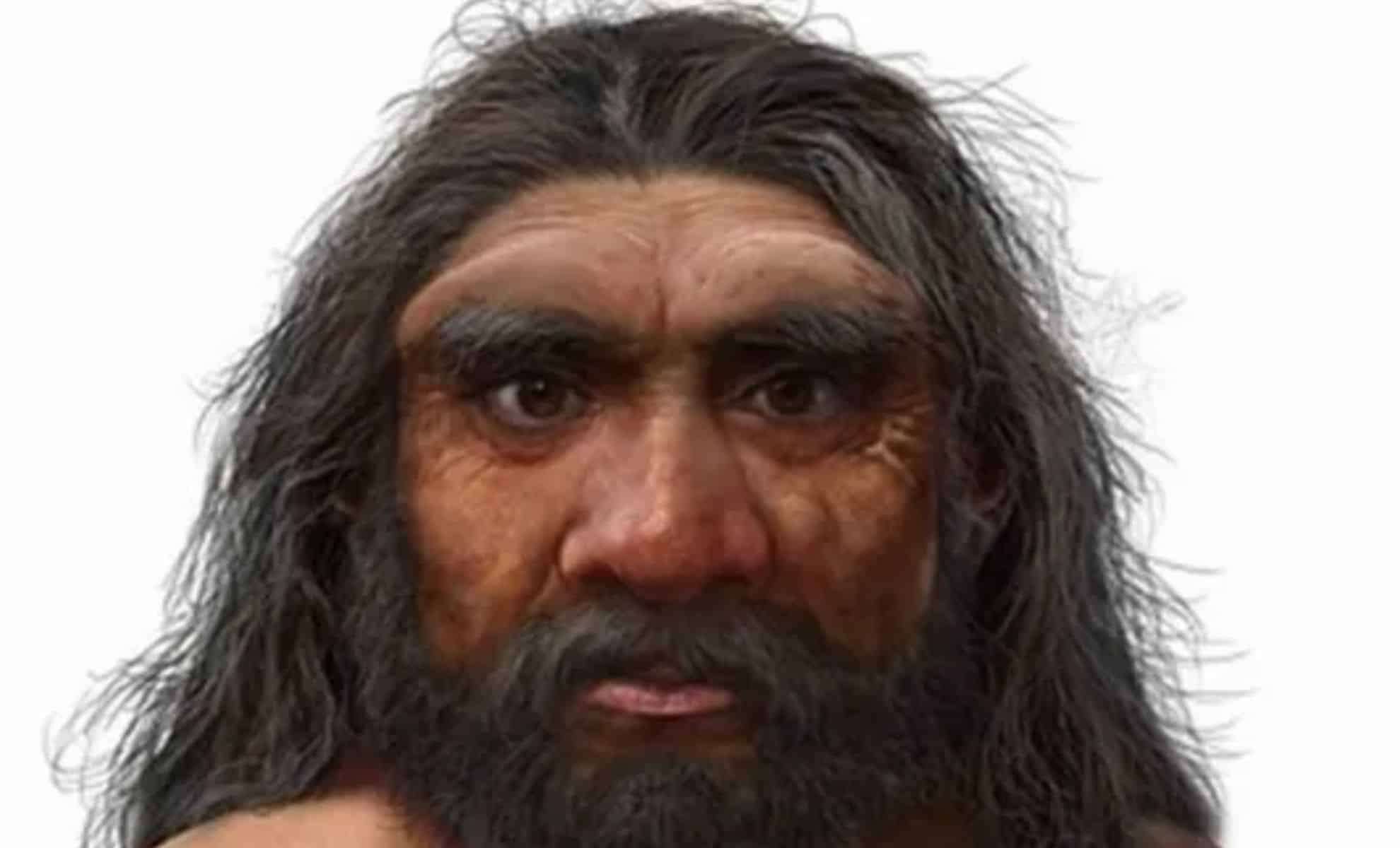
A recent investigation has unraveled the enigma of the “Dragon Man” skull, a fossil hailed as a milestone in paleoanthropology. Originally unearthed in 1933 by a laborer in Harbin, China, this skull was initially classified as a member of a newly proposed species called Homo longi, known colloquially as “Dragon Man.” Yet, advanced genetic testing has now overturned that classification, revealing a different identity for this ancient hominin.
Revisiting the Origins of the Dragon Man Specimen
The cranium, concealed in a well for decades following its discovery, is notable for its pronounced brow ridge, wide nasal structure, and substantial eye orbits. Such traits initially led scientists to declare it as Homo longi in 2021. However, subsequent discourse called this categorization into question.
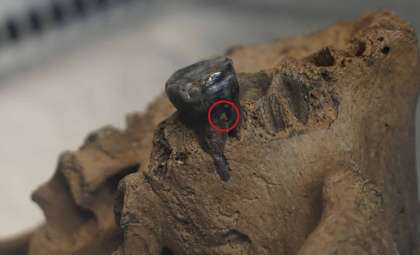
Further multidisciplinary studies employing cutting-edge DNA sequencing extracted mitochondrial DNA (mtDNA) from the tartar on the skull’s teeth. This innovative approach demonstrated that the fossil is in fact closely allied with Denisovans, primitive hominins known from parts of Asia. It is believed to represent a Siberian Denisovan lineage that lived between 217,000 and 106,000 years ago.

Illuminating Denisovan Biology
Recognizing the “Dragon Man” skull as Denisovan reshapes our understanding of this elusive group. Previously, the Denisovans were known mostly from genetic fragments and scant fossil remains.
Researchers employed proteomics to analyze the protein profiles preserved in the Harbin specimen. Comparing its proteome with those of Neanderthals, modern humans, and other primates, the study confirmed a pronounced genetic affinity with early Denisovans, affirming the skull’s critical role in piecing together our evolutionary story.
Expanding the Denisovan Habitat Range
Genetic evidence further indicates Denisovans occupied a broader territory than previously considered. The mitochondrial DNA from this skull reveals their presence not only in Siberia but across various regions of Asia, revising assumptions about their geographic distribution and ecological adaptations. This insight enhances our grasp of how Denisovans coexisted and possibly interacted with contemporary hominin populations.
Chris Stringer, a noted paleoanthropologist at London’s Natural History Museum, emphasized the discovery’s importance: “This provides the first detailed morphological framework for Denisovans, addressing long-standing questions about their physical characteristics. The Harbin skull stands as the most complete Denisovan fossil discovered to date,” he stated, offering invaluable perspectives on their lineage.
Rethinking the Human Evolutionary Web
The revelation of the skull’s Denisovan affiliation encourages a fresh examination of the Middle Pleistocene era, around 789,000 to 126,000 years ago, a time when multiple hominin species roamed Eurasia. This epoch involved at least three different groups: modern humans, Neanderthals, and Denisovans, whose overlapping habitats gave rise to extensive interbreeding and intricate evolutionary relationships termed the “muddle in the middle.”
The new findings, alongside other Denisovan fossil discoveries, challenge previous views of ancient hominin connections. Before this, Denisovan fossils were limited to just a few bone fragments and teeth. The Harbin skull, together with recent remains like a jaw from Taiwan, now offers definitive examples enabling more accurate comparisons for ongoing research.
- Categories:
- News









0 comments
Sign in to Comment