
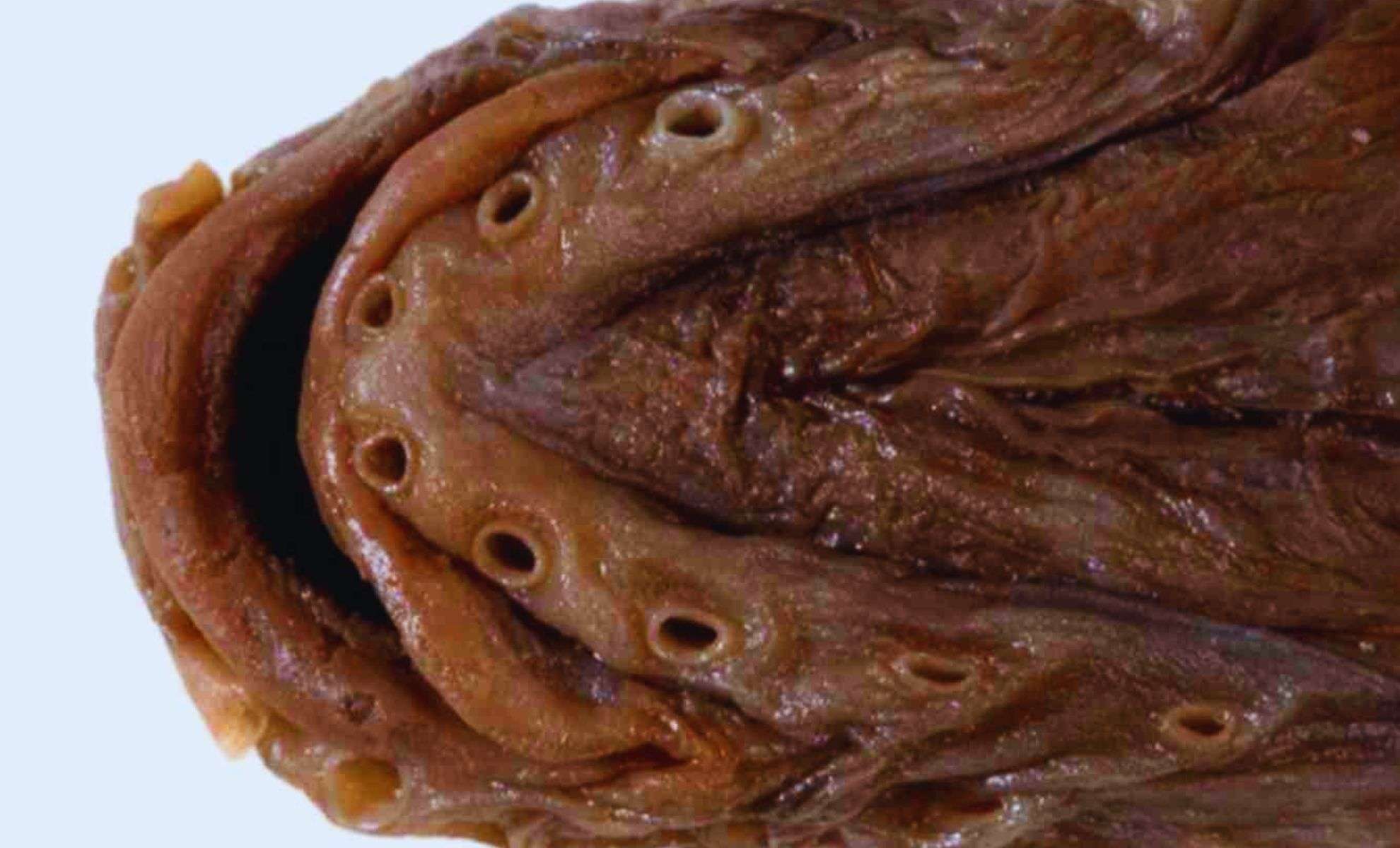
An unusual deep-sea fish, first caught near Antarctica in 1989, has been officially classified as a brand-new species after languishing unnoticed in a Russian museum's collection for almost 40 years. The eel-like creature, named Ophthalmolycus kosmonautis, astonished researchers with its unique traits and its previously unrecognized role in the biodiversity of polar oceans.
The specimen was reexamined by ichthyologist Mikhail V. Nazarkin at the Zoological Institute in St. Petersburg, where it had been stored since a Soviet expedition to Eastern Antarctica. The findings, featured in a September 6 publication in Polar Biology, introduce the sixth species to the genus Ophthalmolycus, underscoring the importance of museum archives in uncovering hidden marine diversity.
A Specimen Hidden Away for Decades
As reported by Good Good Good, Nazarkin encountered “two unusual” fish during his detailed inspection of the 1989 expedition's collection. X-ray scans confirmed these were previously unidentified species. After nearly four decades in storage, the fish, now dubbed Ophthalmolycus kosmonautis, was officially added to scientific literature.

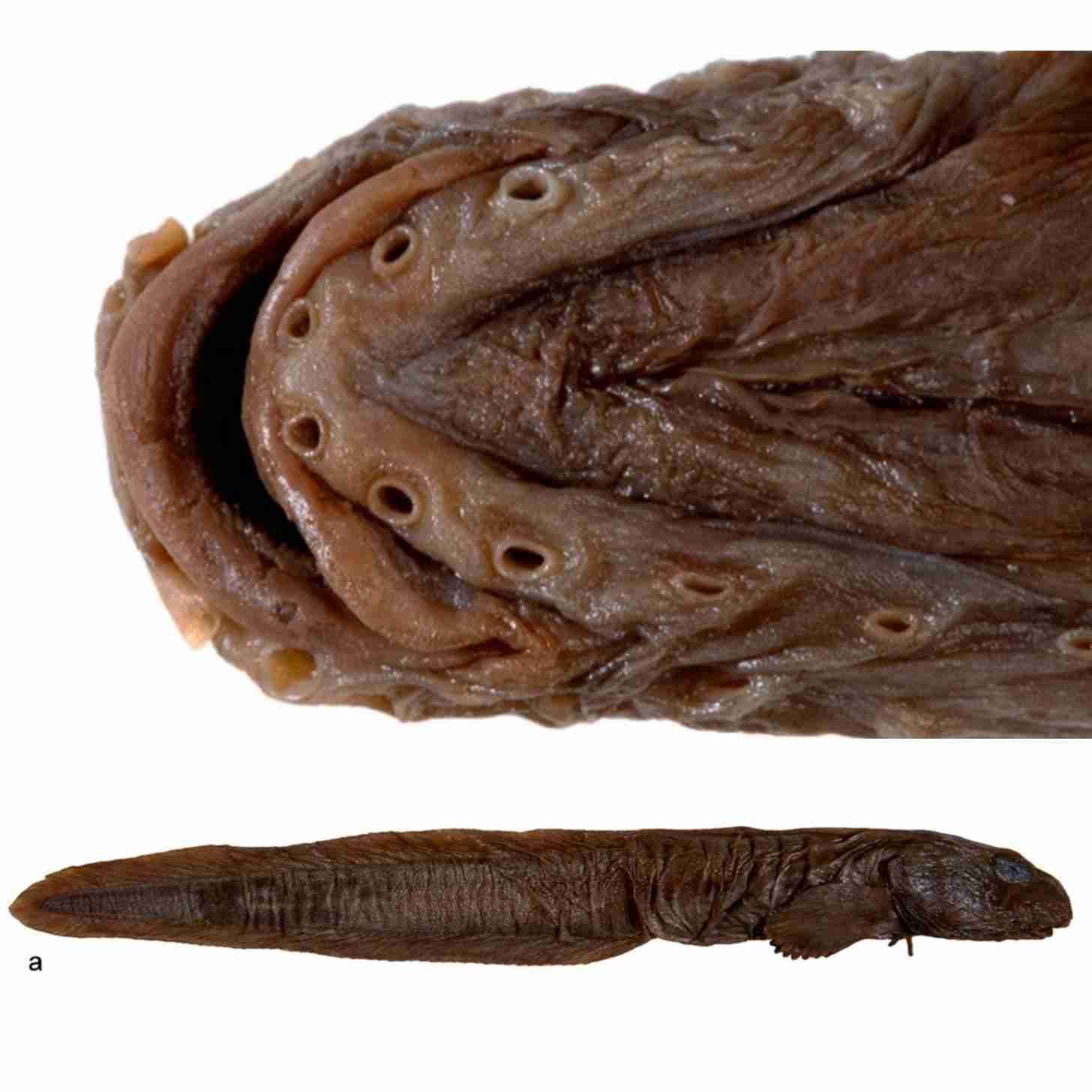
“The new species has low number of vertebrae [less than 100] and can be distinguished from other congeners by the ventrolateral configuration of its lateral line,” Nazarkin noted in his paper.
Nazarkin highlighted that the lateral line pattern is uncommon among eelpouts and more characteristic of the Lycodes genus. This fish also possesses distinct physical features such as large eyes and sensory pores beneath its throat, which help detect water movements in its environment.
A Name Honoring an Unmapped Ocean Region
The species name kosmonautis honors the Cosmonauts Sea, an unofficial designation for a sector of the Southern Ocean where the fish was discovered. Covering roughly 270,000 square miles, this region has appeared in Russian literature since a 1962 Soviet Antarctic mission but is absent from many official charts and not recognized by major geographic authorities.
According to the International Institute for Law of the Sea Studies, the name commemorates the first human space travelers and marks the dawn of space exploration. This link between oceanic and cosmic exploration is symbolically reflected in the fish’s name and its habitat.
A Unique Antarctic Resident with Specialized Senses
The eelpout from the Cosmonauts Sea is a small, brown fish reaching up to seven inches in length that inhabits cold Antarctic waters. It has been found at depths ranging from 73 meters to over 3,000 meters. Its large eyes and slim upper lips give it an otherworldly look, but its notable sensory pores on the head and throat are especially fascinating.
“These canals contain receptors sensitive to mechanical vibrations of water,” Nazarkin explained to the Miami Herald. “This system helps fish navigate in space and perceive the movements of other objects.”

Similar to other deep-sea species, O. kosmonautis lives near the ocean floor and feeds on small benthic creatures such as worms, clams, snails, and crustaceans, which contribute significantly to carbon storage on the seafloor.
Because they are so rare, much about the biology and behavior of these eelpouts is still unknown. Nazarkin's research stresses the need for continued investigation and greater attention to specimens already held in scientific collections.
- Categories:
- News







0 comments
Sign in to Comment