
As the world seeks solutions to climate challenges, scientists have unveiled a pioneering method to capture carbon by integrating it into construction materials. Recent findings indicate that embedding carbon into substances such as concrete, asphalt, plastics, and bricks could drastically decrease atmospheric CO₂ levels, potentially redefining sustainable building practices.
Globally, over 30 billion tons of these materials are manufactured yearly. Capturing carbon in even a small percentage of this volume could provide a significant stride in climate mitigation efforts. This process, known as carbon sequestration, also fosters a circular economy by reusing carbon-rich byproducts.
Breakthrough Research on Capturing Carbon in Construction
The study, featured in Science, examines how including biochar, a carbon-dense material derived from biomass, within building elements can sequester large quantities of CO₂. While carbon capture is not new, this fresh application targets construction materials as active agents in lowering atmospheric carbon.

“The potential impact is substantial,” noted Elisabeth Van Roijen, lead author and UC Davis graduate student. The research estimates that making just 10% of global concrete aggregates carbon-absorptive could capture up to a gigaton of CO₂.
This strategy is remarkable as it seizes carbon emissions while leveraging existing industrial methods to trap carbon permanently in widely used materials. Scaling this technology could allow urban centers to literally build toward a low-carbon future.
Biochar: Transforming Structures Into Carbon Storage
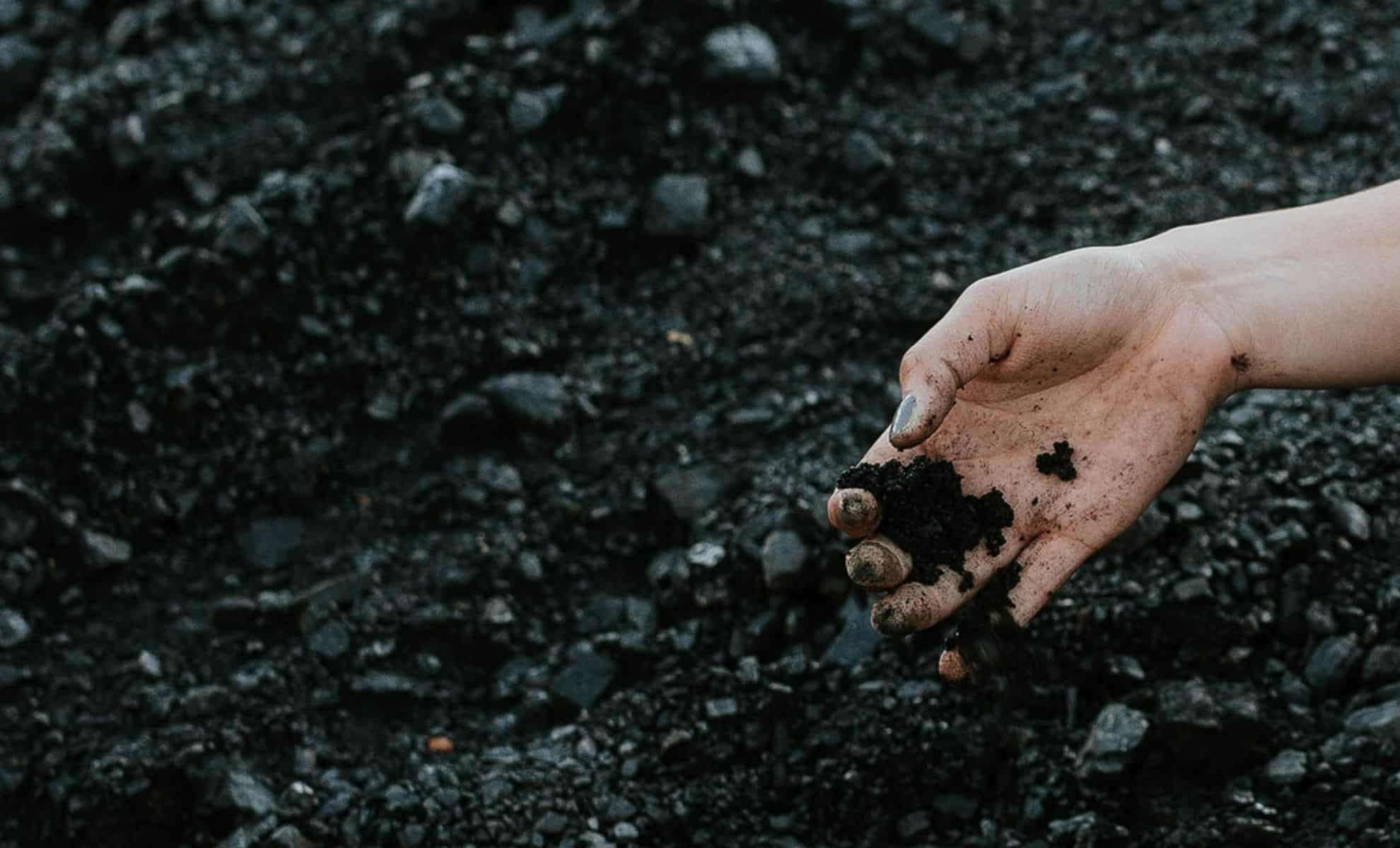
Central to this innovation is biochar, produced by heating organic residues like agricultural waste and wood chips under oxygen-limited conditions. This creates a stable carbon form that remains locked away for centuries.
Integrating biochar into concrete, asphalt, bricks, and plastics enables these materials to securely store carbon while preserving or even improving their structural properties. This advancement could usher in construction practices where infrastructure actively offsets carbon emissions.
Furthermore, biochar enhances durability, making surfaces like roads and buildings more resistant to cracking and weather damage. This improvement extends infrastructure lifespan, reducing maintenance needs and costs.
Advancing Toward a Circular Economy
This approach has significant implications for promoting a circular economy. By converting agricultural and industrial waste into biochar-infused materials, it provides a dual benefit of minimizing carbon emissions and decreasing landfill contributions.
This method dovetails with other cutting-edge sustainable construction technologies aiming to boost durability, energy efficiency, and the use of low-carbon alternatives. Such innovations have the potential to create environmentally friendly cities and stronger communities that lower ecological footprints while maintaining longevity and structural soundness.
The move toward greener building materials is reshaping how we approach development—not just as infrastructure expansion but as a proactive means for climate resilience and carbon mitigation.
Timeline for Widespread Use
Although some carbon-trapping materials are commercially available, others remain under development. Expanding production and adopting these materials industry-wide will demand cooperation among scientists, manufacturers, and policy experts.
A key hurdle involves maintaining cost-effectiveness and compliance with construction standards. Yet, as environmental priorities intensify, interest in these innovations is projected to rise, facilitating broader implementation.
With carbon emissions escalating, the necessity for reliable and scalable solutions is critical. This novel method of embedding carbon in building materials presents a tangible path toward climate mitigation by transforming common infrastructure into effective carbon storage units.
- Categories:
- News













0 comments
Sign in to Comment